
I know what you are thinking right now. We aren’t near Rosh Hashanah; Isn’t the upcoming holiday Shavuot, the holiday celebrating the giving of the Torah. Why are you posting an image of judgment scales, which would be more appropriate to share in a few months for Rosh Hashanah? Wouldn’t this be a better picture to depict Shavuot?
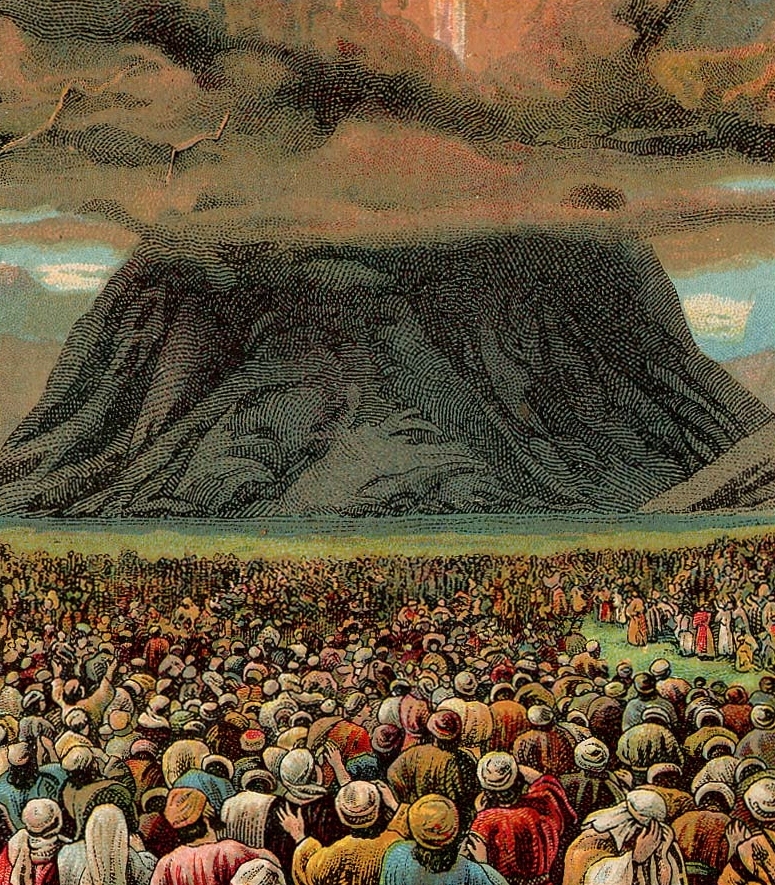
Yet, if we examine a recently I came across fromom the Shlah HaKadosh (R. Isaiah Horowitz), we would see that the celebration of receiving the Torah and the scales of judgment work come together. He writes (Aseret HaDibrot, Shavuot):
חייב אדם לשמוח בזה החג ביותר, כי הוא יום שזכינו בו לכתר תורה. ובפסחים פרק אלו דברים (סח, ב), הכל מודים בעצרת דבעינן נמי לכם. מר בריה דרבינא יתיב כולא שתא בתעניתא, בר מעצרתא ויומי דפוריא כו’. רב יוסף ביומא דעצרתא עבד ליה עגלא תילתא, אמר, אי לאו ההוא יומא כמה יוסף איכא בשוקא. מכל מקום גילו ברעדה כתיב (תהלים ב, יא), והשמחה אשר שמח תהיה שמחה רוחניית והודות והלל להשם יתברך שנתן לנו התורה, מתעורר מאוד בלבו להתקדש ולתקן מעשיו ולהיות מוכתר בכתר תורה לקיים (יהושע א, ח) והגית בו יומם ולילה, כי היום הקדוש הזה הוא יומא דדינא:
וזה לשון תולעת יעקב דף נ”ח, ודע כי כמו שבראש השנה רצה הקדוש ברוך הוא להשגיח ולדרוש מעשה בני אדם כי הוא יום הבריאה הראשונה וחדוש העולם, וכמו שתקנו לומר זה היום תחלת מעשיך כדברי רבי אליעזר שאמר בתשרי נברא העולם (ר”ה ח, א), כן רצה ביום מתן תורה שהוא מורה על החדוש העולם להשגיח ולדרוש על מעשה העולם ולדונו על פירות האילן, כדאיתא בפרק קמא דראש השנה (טז, א) בארבע פרקים העולם נידון כו’, בעצרת על פירות האילן. וכבר ביארנו כי הפירות ההם הם הנשמות הפורחות מאילנו של הקדוש ברוך הוא, והעולם נידון ביום זה על התורה שנתנה בו שבטלו עצמה ממנה והוא אמרם על פירות האילן בלא השלימם בתורה ובמצות כראוי.
To Summarize: Shavuot is a day of celebrating receiving the crown of Torah. It is a day of rejoicing, a day dedicated to the spiritual rejoicing we experienced in receiving the Torah. The day is a time to renew our commitment to Torah study and enwrapping ourselves in the beauty of Gd’s word. It is the time we have the opportunity to renew this coronation. As such, it is a judgment day like Rosh Hashanah. This is based on the Mishnah from Rosh Hashanah (1:2), which says:
בְּאַרְבָּעָה פְרָקִים הָעוֹלָם נִדּוֹן, בְּפֶסַח עַל הַתְּבוּאָה, בַּעֲצֶרֶת עַל פֵּרוֹת הָאִילָן, בְּרֹאשׁ הַשָּׁנָה כָּל בָּאֵי הָעוֹלָם עוֹבְרִין לְפָנָיו כִּבְנֵי מָרוֹן, שֶׁנֶּאֱמַר (תהלים לג) הַיּוֹצֵר יַחַד לִבָּם, הַמֵּבִין אֶל כָּל מַעֲשֵׂיהֶם. וּבֶחָג נִדּוֹנִין עַל הַמָּיִם:
At four times of the year the world is judged: On Passover judgment is passed concerning grain; on Shavuot concerning fruits that grow on a tree; on Rosh HaShana, all creatures pass before Him like sheep [benei maron], as it is stated: “He Who fashions their hearts alike, Who considers all their deeds” (Psalms 33:15); and on the festival of Sukkot they are judged concerning water, i.e., the rainfall of the coming year.
Shavuot, Azteret, is the day the world is judged concerning fruits that grow from a tree. Reading this Mishnah with an eye towards the mystical, the spiritual, The Shlah suggests that the Torah, which is considered the Tree of Life, bears the fruits that result from our study and effort. What does all of this mean? How do we get judged on our intellectual output and what are we supposed to do to have a “favorable” judgment?
Reflecting on the bolded question, what keeps coming back to mind is the word effort. We are judged not on what we produce, but the effort we exert. Yes, there is a goal and desire to come up with novel, unique, deep approaches in our learning. But, this isn’t the goal and message of Shavuot. Rather, the goal is strengthening our daily connection to the Torah, to the gift and beauty of the corpus that is Gd’s word, Gd’s revealed “self” to the world. The goal of Shavuot is that this holiday is the moment each year we recommit to planting the seeds of deepening our desire to study daily. Through study, through connecting to Gd’s essence, we recommit to upholding one of the foundational points of the world (as we see from these words of Pirkei Avot (1:2)):
שִׁמְעוֹן הַצַּדִּיק הָיָה מִשְּׁיָרֵי כְנֶסֶת הַגְּדוֹלָה. הוּא הָיָה אוֹמֵר, עַל שְׁלשָׁה דְבָרִים הָעוֹלָם עוֹמֵד, עַל הַתּוֹרָה וְעַל הָעֲבוֹדָה וְעַל גְּמִילוּת חֲסָדִים:
Shimon the Righteous was one of the last of the men of the great assembly. He used to say: the world stands upon three things: the Torah, the Temple service, and the practice of acts of piety.
When we exert effort, we are deserving of the crown of Torah. When we do our due diligence, when we put our effort in, we will see the results. To quote from a recent podcast/shiur from a friend, who was quoting from a former US President, Ask Not What Hashem Can Do For You, But What You Can Do For Hashem.
May we find that on Shavuot, whatever we learn, whenever we learn, that this holiday be one in which we recommit to our desires for spiritual and intellectual growth, putting in just a little bit more effort than we usually do, for with that effort we will find ourselves taking that most important first step forward to a New Beginning in our relationship to our spirituality and our faith.
Looking to discover your more authentic, spiritually focused self? Let me help you along this path! Contact New Beginnings Spiritual Coaching and Consulting LLC at 732-314-6758 ext. 100 or via email at newbeginningsspiritualcoach@gmail.com




 New beginnings: A blog about spirituality, chaplaincy and renewal