Chaos is the First Blueprint of Creativity

Genesis begins with God creating the world, heaven and earth, with everything being in a state of chaos.

בְּרֵאשִׁ֖ית בָּרָ֣א אֱלֹהִ֑ים אֵ֥ת הַשָּׁמַ֖יִם וְאֵ֥ת הָאָֽרֶץ׃

When God began to create heaven and earth—

וְהָאָ֗רֶץ הָיְתָ֥ה תֹ֙הוּ֙ וָבֹ֔הוּ וְחֹ֖שֶׁךְ עַל־פְּנֵ֣י תְה֑וֹם וְר֣וּחַ אֱלֹהִ֔ים מְרַחֶ֖פֶת עַל־פְּנֵ֥י הַמָּֽיִם׃

the earth being unformed and void, with darkness over the surface of the deep and a wind from God sweeping over the water—

Genesis 1:1-2

Many different ideas have been learned and extrapolated from these first two verses alone. I would like to offer another thought, one which has been sitting in my heart for some days. It was inspired by a quote fromfrom Torah Studies, an adaptation of lessons delivered by Rabbi Menachem Mendel Schneerson o.b.m. presented by Rabbi Lord Jonathan Sacks o.b.m. (from his days before being Chief Rabbi of Great Britain). (I originally received this book as a Bar Mitzvah gift many years ago and have recently begun reading parts of it again).

The essay on Genesis reflects upon:

In the chronicling of creation, one detail strikes us with the force of mystery: Why was light created before everything else, when there was nothing to benefit from it? The Rabbinical explanation only adds to the mystery, for we are told that the light was immediately “hidden for the righteous in the world to come.” The Rebbe explains the difficulty and elucidates the implications of the creation narrative for the individual and the conduct of his life.

https://www.chabad.org/therebbe/article_cdo/aid/110297/jewish/Torah-Studies-Bereishit.htm

As part of this analysis, R. Schneerson presents a piece regarding a rabbinic idea that when Gd created the world, Gd “looked” into the Torah as if the Torah was the blueprint of the world. In R. Schneerson’s words (as presented by R. Sacks):

To resolve these difficulties we must consider a remark made by the Midrash: “Just as a king wishing to build a palace does not do so spontaneously but consults architect’s plans, so G‑d looked into the Torah and created the world.”

In other words, by examining the order in which a man sets about making something which requires planning and forethought, we can learn something of G‑d’s order in bringing the world into being.

https://www.chabad.org/therebbe/article_cdo/aid/110297/jewish/Torah-Studies-Bereishit.htm

Or, more precisely, the Midrash states:

דָּבָר אַחֵר אָמוֹן, אֻמָּן. הַתּוֹרָה אוֹמֶרֶת אֲנִי הָיִיתִי כְּלִי אֻמְנוּתוֹ שֶׁל הַקָּדוֹשׁ בָּרוּךְ הוּא, בְּנֹהַג שֶׁבָּעוֹלָם מֶלֶךְ בָּשָׂר וָדָם בּוֹנֶה פָּלָטִין, אֵינוֹ בּוֹנֶה אוֹתָהּ מִדַּעַת עַצְמוֹ אֶלָּא מִדַּעַת אֻמָּן, וְהָאֻמָּן אֵינוֹ בּוֹנֶה אוֹתָהּ מִדַּעַת עַצְמוֹ אֶלָּא דִּפְתְּרָאוֹת וּפִנְקְסָאוֹת יֵשׁ לוֹ, לָדַעַת הֵיאךְ הוּא עוֹשֶׂה חֲדָרִים, הֵיאךְ הוּא עוֹשֶׂה פִּשְׁפְּשִׁין. כָּךְ הָיָה הַקָּדוֹשׁ בָּרוּךְ הוּא מַבִּיט בַּתּוֹרָה וּבוֹרֵא אֶת הָעוֹלָם, וְהַתּוֹרָה אָמְרָה בְּרֵאשִׁית בָּרָא אֱלֹהִים. וְאֵין רֵאשִׁית אֶלָּא תּוֹרָה, הֵיאַךְ מָה דְּאַתְּ אָמַר (משלי ח, כב): ה’ קָנָנִי רֵאשִׁית דַּרְכּוֹ.

Alternatively, amon means “artisan.” The Torah is saying, “I was the artisan’s tool of Hashem.” In the way of the world, a king of flesh and blood who builds a castle does not do so from his own knowledge, but rather from the knowledge of an architect, and the architect does not build it from his own knowledge, but rather he has scrolls and books in order to know how to make rooms and doorways. So too Hashem gazed into the Torah and created the world. Similarly the Torah says, “Through the reishis Hashem created [the heavens and the earth],” and reishis means Torah, as in “Hashem made me [the Torah] the beginning (reishis) of His way” (Mishlei 8:22).

Genesis Rabbah 1:1

In reading this piece, I was struck with an alternative question to the one that drives the essay. I was wondering, if Gd had used the Torah as a blueprint, how does that jive with the notion of chaos, unformed and void, that we read about in the second verse of the Torah? When a person has a blueprint, while the outcomes might not be known, the picture presented should be clear enough to have some form and substance.

In reflecting on this, I realized that the answer was sitting in from of me. Any creative act we have has multiple blueprints throughout the process. As someone who enjoys writing and tries to present ideas in the word form, this resonated for me in the following manner.
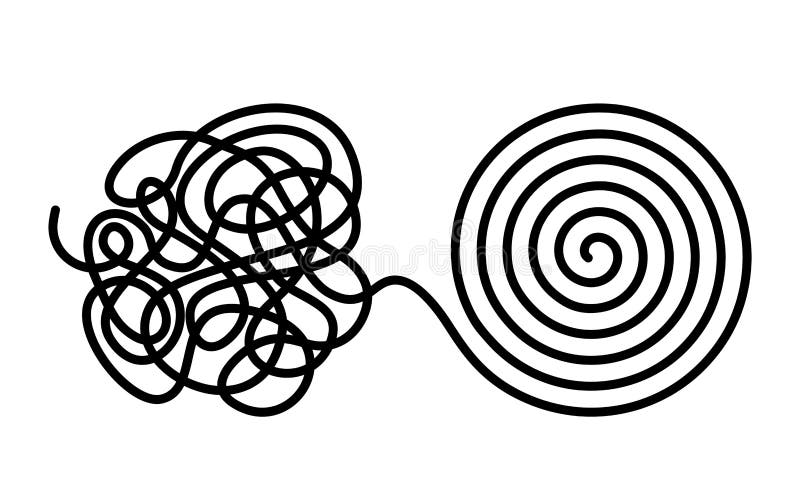
The initial idea for something is a jumble of thoughts in my head with some fundamental connector between the ideas. Often this chaos is so distorted that the words don’t even begin to flow. As I continue to write and reflect, the idea becomes clearer in my conscious. It then begins to take shape into a new blueprint, but even that blueprint is not the complete product. Rather it is a more orderly picture of what message to convey and how to convey it. This continues on and on until the product is “complete.”

The story of Genesis reflects this same creative process to us. Gd has a blueprint. Gd “creates” heaven and earth. The picture becomes clearer but is still chaos. Then Gd begins to place things in a certain order, starting with “light” and concluding with rest (the Sabbath. Rest, the cessation from creation, is the real last created thing described, not the human being, a topic unto itself).

All new beginnings start from an idea, a blueprint, but often a blueprint that is chaos by its nature. In order to achieve, we have to work and work to improve and hone the blueprint to something that is orderly and clear.

Put Your Heart in It

How many of us struggle to find the inner meaning and spirit in ritual practice, whether it is something we do daily or something we do once a year. I recently read a story that illustrates the need for the heart to be a fundamental component in our actions. The story is taken from Rabbi Dr. Abraham Twerski’s (o.b.m.) daily reader Smiling Each Day (p. 20):

One Succos the Baal Shem Tove was sitting with his disciples and appeared to go into a trance. After a few moments of profound concentration, he emerged from his exalted state with a bright smile adorning his already holy countenance.

“In the celestial spheres” he announced, “there had been a great expression of joy, and I was curious as to what had brought this about.”

“It seems that a simple Jew had been traveling by foot, and in order to reach home for Succos, he took a shortcut through the forest. Unfortunately he became lost in the thicket, and soon realized, to his great dismay, that not only would he not be home with his family for the holiday, but, even more distressing to him, he would not fulfill the mitzvah of Succah! This last circumstance he simply could not bear, and as the sun began to set, he was suddenly inspired to rip off the top of his hat and cover it with branches and leaves. Being a person of little learning, he thought this would constitute a succah, and so, danced with joy that he had thought of a way to fulfill this precious mitzvah.”

The holy master concluded, “Although he of course did not fulfill the mitzvah, his intent was so pure and sincere that it caused great joy among the Heavenly host.”

From this story, Rabbi Dr. Twerski suggests that while it is important to fulfill the rituals properly, it is equally important to find the inner heart within the fulfillment. Taking this a step further, the ideal focus of our actions should include a sense that each time we perform an act, a ritual, we are doing something new, even if it is a daily practice. We always have a new opportunity to infuse our actions with heart.

As we approach the end of the fall Jewish holiday season, may the joy and meaning was have felt during this time carry us into the remainder of the year, helping us find new beginnings each and every day. May our daily routines be infused with a renewed love and joy for what we have the opportunity to do.

Facing Yom Kippur alone?

Yom Kippur, the Day of Atonement, is a very terrifying day. While it is an opportunity to start again through confession and regret, there is a sense of urgency that highlights the day. Whether one has spent this time preparing or not, how can a person wipe the entire slate clean in one 25 hour period? Sure, change is ultimately instantaneous, yet in examining the liturgy of the day, the task of repentance and finding forgiveness seems insurmountable.

Throughout Yom Kippur, the liturgy revolves around a formal confession, viddui, which lists a litany of areas we encounter and inevitably fall short of during the year. I find myself overwhelmed by the vastness of our perceived imperfections and our forced listing of them again and again. It can be lonely when confronting one’s shame, one’s failures. How can we even open our mouths to recite these words? It can be too much!

Yet, there is a short phrase in the introduction of the viddui which brings me solace. Before reciting the confession, it says:

אֱלֹהֵֽינוּ וֵאלֹהֵי אֲבוֹתֵֽינוּ תָּבֹא לְפָנֶֽיךָ תְּפִלָּתֵֽנוּ, וְאַל תִּתְעַלַּם מִתְּחִנָּתֵֽנוּ שֶׁאֵין אֲנַֽחְנוּ עַזֵּי פָנִים וּקְשֵׁי עֹֽרֶף לוֹמַר לְפָנֶֽיךָ יְהֹוָה אֱלֹהֵֽינוּ וֵאלֹהֵי אֲבוֹתֵֽינוּ צַדִּיקִים אֲנַֽחְנוּ וְלֹא חָטָֽאנוּ אֲבָל אֲנַֽחְנוּ וַאֲבוֹתֵֽינוּ חָטָֽאנוּ:

Our God and God of our fathers, let our prayer come before you and do not ignore our supplication. For we are not so brazen-faced and stiff-necked to say to you, Adonoy, our God, and God of our fathers, “We are righteous and have not sinned.” But, indeed, we and our fathers have sinned.

When we are confronting our inner self, working to overcome aspects of our lives we wish to change for the better, confessing our imperfections, there is a sense of being alone. And yet, in this phrase, “But, indeed, we and our fathers have sinned” the prayer is offering us strength, in that we are not alone in this process. We enter the auspicious day as part of a chain of tradition. We are here because it is part of our tradition, our legacy, to pause and take stock of what we have fallen short of and what we hope to rise to in the coming year. We are here because our parents, grandparents, etc. also needed a day a year to reframe life’s challenges and struggles. We are not doing this because everyone else is perfect and we are not. Rather, Yom Kippur is a day for all of us to embrace the imperfections for it is through this embrace that we can grow.

One of the struggles with growth and change in life is thinking that those around us don’t understand the struggles we are dealing with. When people are honest about their fears, worries and doubts, many barriers to change are removed. (As an example of a book that speaks about how shame is a barrier to change, see The Gifts of Imperfection: Let Go of Who You Think You’re Supposed to Be and Embrace Who You Are by Brene Brown.)

As we prepare in these final hours for Yom Kippur, may we find the resolve of knowing that we are all striving to be our ideal selves and find ways of reaching for those ideals. And if we fall short, if we err, let us remember that its OK, its part of our being human. It is merely a lonely struggle but it is a struggle we all face. May this Yom Kippur be a day of meaning, a day of introspection and a day of finding something to strive to reach for in the coming year.

“For Your Sake Living God”

In the midst of the period between Rosh Hashanah and Yom Kippur, there are liturgical additions that help frame the focus of these 10 days. One of the phrases is:

“זָכְרֵֽנוּ לְחַיִּים מֶֽלֶךְ חָפֵץ בַּחַיִּים וְכָתְבֵֽנוּ בְּסֵֽפֶר הַחַיִּים לְמַעַנְךָ אֱלֹהִים חַיִּים:

Remember us for life, King, Who desires life, and inscribe us in the Book of Life, for Your sake Living God.”

The other day, as I was reciting these words, I found myself shuddering when I came to the last phrase “for Your sake, Living God.” I began experiencing a sense that it is so difficult to live up to an ideal that if all else fails, we hope we can rely upon, “for Your sake…” inscribe us for good. As I was lost in this awesome moment, I was reminded of a short piece I recently read in Growing Each Day, a daily reader written by Rabbi Dr. Abraham Twerski o.b.m.. After asking what the phrase “for Your sake” means, Rabbi Twerski suggests a creative read of the prayer:

We might read the verse a bit differently. “Inscribe us in the book of a life that is lived for Your sake.” In other words, we pray not only for life, but for a quality of life that is meaningful and purposeful, one that will be lived for the greater glory of God (p. 5)…

Of course, we wish to be inscribed in the book of life, but it should be a life that we wish to be in rather than one that we seek to escape from (ibid.)

We recite these words during the 10 days of repentance as a focus on our striving for an ideal life of meaning, or spirit, of Godliness. I shuddered because it is an awesome and lofty goal that recognizes how hard it would be to reach. During this period, we look to formulate our ideal self, turning in prayer to God recognizing our imperfections and expressing a deep sense of hope to start clean.

Years ago, in a similar way, standing in prayer on Yom Kippur, reciting the words of confessions, the Viddui, I found myself suddenly laughing at the seeming absurdity of striving for forgiveness for all the myriad mistakes we make and will find ourselves making year in and year out. The laughter came from a place of fear, as if I didn’t laugh, I would have felt crushed by how truly difficult change is. I realized in that moment the goal of Viddui, the goal of this entire period is a striving, a framing of who we hope our ideal selves will be. And when we emerge from Yom Kippur, the question will be: do we have the opportunity afforded to us by being in the book of life to work on living towards our ideal self throughout the coming period between Yom Kippur and the next Rosh Hashanah? Will we carry forward the image of who we want to be during the doldrums of the remainder of the year?

May this new year of 5782 and this period be one of deep introspection in finding the ideal you so that we can take the opportunity to hit pause and beginning anew with a new goal, a new purpose and a new mission in our lives.

Meditation for Rosh Hashanah

Rosh Hashanah is a new beginning, a new opportunity to reconnect with our most basic self. There are no barriers. The shofar blowing represents this barrierless experience, as the sounds come from our breath and breath alone. We listen to the depths of the soul and if we are attentive, will truly experience the cries and pains that emerge.

For those looking for a focus for this upcoming Rosh Hashanah, the following piece is very meaningful. Rav Yoel Glick shared the following reflection and practice for concentration during Shofar Blowing.

The shofar (ram’s horn) that we sound on Rosh Hashanah is intimately linked with this process. The shofar blast is a column of energy in the form of sound that aligns us with our soul and prepares us to receive the incoming new consciousness and energies. It creates the “birth canal” for the spiritual awakening that is to take place at this time. The stronger the alignment is with the column of energy, the greater will be the spiritual birth that takes place.

Rebbe Natan of Nemirov teaches that on Rosh Hashanah we bring the New Year from koach el hapoel, from potential into action, from the plane of the mind into the plane of physicality — from celestial energies into concrete activities in the world. The physical act of blowing the shofar is a symbolic representation of this movement. We take air from our lungs and send it through a physical vessel, the shofar, which then takes the breath and turns it into sound...

When we listen to the sound of the Shofar, we are hearing the depths of the shofar blower. Are we paying attention to the sound, the breath, the energy put out into the world? Here is Rav Yoel’s practice for being mindful and focused during and after the shofar blowing:

Begin by first emptying your mind of all thoughts. Search inward and find the center of your being. Now turn your mind towards the God of Israel and the Soul of Israel, and look in their direction with love and awe.

When the shofar is blown, use the sound to focus your mind and ascend upward on the energy. Keep reaching higher and higher as the shofar blasts continue. When the shofar stops — sit in the silence — still and ready to receive the Lord’s response.

This response may come as a feeling of God’s presence, or as a thought, word or image that drops into your mind; or it may simply come as the “livingness” within the silence. Whatever form God’s response takes, if you are open and sincere, then you will receive.

May this year be a year where we all find a new beginning, something that invigorates our hearts and minds. May we be open to receive blessing and goodness. May this year see us continue to emerge from the traumas of the past year and a half and may each of you find a sweetness and hope.

Prayer: beginning with gratitude

Upon awakening, Jewish custom is to recite the following;

מוֹדֶה אֲנִי לְפָנֶיךָ מלך חַי וְקַיָּם שֶהֶחֱזַרְתָּ בִּי נִשְׁמָתִי בְחֶמְלָה, רַבָּה אֱמוּנָתֶךָ

Modeh ani l’fanecha, melech chai v’kayam, shehechezarta bee nishmati b’chemla, rabbah emunatecha:

I thank You, living and enduring King, for You have graciously returned my soul within me. Great is Your faithfulness.

With these words, one begins the day with the language of gratitude. This awakening meditation is a powerful framework to start the day. As we know, there is a tremendous push within modern psychology to find focus through gratitude. What better way to do that then to start one’s day with this reflection!

For many, getting up in the morning is not a simple act of waking up. Sleep is not merely a time of rest and relaxation. Sleep can be anxiety driven, with stress related dreams. Sleep time can be one of insomnia and tossing and turning. Sleep can be a most frightening of times. And waking up is not always better. Many of us will hear the alarm (or not if we are trained to wake up on our own) and will feel more tired and frustrated than when we were upon going to bed. It can be quite challenging at this moment of negative energy to find gratitude. And yet, this is the custom of many, to express gratitude, even in a perfunctory, check box way, for perhaps if we do pause, even for a second, the words of Modeh Ani might shift one’s entire daily focus.

May we work to find gratitude for all things in life.

Let the broken pieces fall

Scrolling through Facebook yesterday morning, I came across a powerful dialogue created by John Roedel. The post was shared by a chaplain colleague. The dialogue is between Gd and a person in which the person asks Gd to put back the broken pieces of the person’s life. Gd’s response is to not repair, to not fix, but let the pieces fall away so as to allow the person to shed those things which are hindrances in the person’s life.

Here is the dialogue in full:

1EF2926F-7B93-421E-94D9-575C5CDAC537

Me: Hey God.
God: Hello…..
Me: I’m falling apart. Can you put me back together?
God: I would rather not.
Me: Why?
God: Because you aren’t a puzzle.
Me: What about all of the pieces of my life that are falling down onto the ground?
God: Let them stay there for a while. They fell off for a reason. Take some time and decide if you need any of those pieces back.
Me: You don’t understand! I’m breaking down!
God: No – you don’t understand. You are breaking through. What you are feeling are just growing pains. You are shedding the things and the people in your life that are holding you back. You aren’t falling apart. You are falling into place. Relax. Take some deep breaths and allow those things you don’t need anymore to fall off of you. Quit holding onto the pieces that don’t fit you anymore. Let them fall off. Let them go.
Me: Once I start doing that, what will be left of me?
God: Only the very best pieces of you.
Me: I’m scared of changing.
God: I keep telling you – YOU AREN’T CHANGING!! YOU ARE BECOMING!
Me: Becoming who?
God: Becoming who I created you to be! A person of light and love and charity and hope and courage and joy and mercy and grace and compassion. I made you for more than the shallow pieces you have decided to adorn yourself with that you cling to with such greed and fear. Let those things fall off of you. I love you! Don’t change! … Become! Become! Become who I made you to be. I’m going to keep telling you this until you remember it.
Me: There goes another piece.
God: Yep. Let it be.
Me: So … I’m not broken?
God: Of course Not! – but you are breaking like the dawn. It’s a new day. Become!!!
~John Roedel~

I find the imagery of the broken pieces powerful. We are not denying those pieces are a part of who we were. Rather, we are acknowledging them, maybe even storing them somewhere, but not trying to fit them back into the person we are becoming.

In a way, it is metaphor for this blog. In the journey of beginning anew, moving forward, I cannot forget what was but cannot allow the past to merely be the barometer of who I am. I am the person who I have become because of the past yet as I continue to be, I am also not the same person as yesterday. Each day, we have a chance to renew. We do that by allowing ourselves to evolve and to grow. By allowing the pieces to fall as they do, we can also find hope for the future, no matter what the past has wrought.

I am also imagining that we gather the pieces that have fallen and keep them somewhere safe, pulling them out for reflection as we continue on our journeys. How often do we find ourselves reflecting on events of years past, wondering why all of a sudden the memory returns? The pieces that have fallen off can be teachers for us, but can never be fitted back onto who we are becoming.

New beginnings

Why a new blog? Why a new page and a new start? Over the years, I have started and stopped a few blogs. I am proud of the work I have done. I am grateful to have written and reflected on many topics. Yet, I realize that it was time to leave the past behind. This is not to say I won’t rehash some of my old ideas and thoughts. Rather, I want a fresh place to begin again.

Too often, we presume that we are merely on a single lane highway, just moving forward in time, accumulating more and more stories and events in life. While this is partially true, in reality our highway curves and has detours. The trouble is we sometimes lose sight of those changes on our journey. I attribute this to finding ourselves living too much in the past. Living in the past can hinder our ability to live in the present and hope for a better future. I have seen this idea written about countless times in spiritual memoirs and self-help books. To truly grow, one must build off of but not remain tied to the past. We must constantly work to evolve.

This same point is true for me and my journey. I want to build on all that I have been and also untie myself from being stuck in my ways because it’s always the way it has been. This is not a repudiation of my life’s journey. Rather it is an attitude adjustment to how I want to go forward day by day.

Please join me on this journey. I look forward to learning and growing together.