Reflections on how to deal with Crisis

So often in life, we plan and Gd laughs. So often in life we are on a path only to be diverted due to outside forces. I had wished to spend time reflecting on the recently completed Jewish Holidays, considering things gained and learned during those three weeks of reflection, introspection and celebration. Yet, since Saturday, Oct. 7, which coincided with the end of the holidays, Shemini Atzeret and Simchat Torah, anything I thought about sharing has felt trite.

The sheer barbarism that occurred during the most joyful part of the fall Jewish holiday season cannot be put into words. What Hamas did to my brethren in Israel, which truthfully by extension was to all of us, was devastating to so many of us. And so, even now, I am writing words that feel so hollow, yet write I must, because this is my outlet.

The post I wanted to write would have focused on celebrating the opportunities to reflect. It would have been on how Yom Kippur gives us the time to recognize how easily it is to fall short and at the same time how easy it can be to get back on course. I would have written about how our Sukkot this year was a beautiful week of joy, celebration, community and learning. And yet, all this was shattered.

Instead, I can write the post about how the Jewish community in Israel and around the world faced crisis head on and did not fall victim to fear. I can share that people from all over have gathered to handle this latest blow through prayer and action. I can share that people are not allowing terror and hate overwhelm them but are instead facing it with resolve and strength.

When we face a crisis, each of us has many tools we can draw upon to deal with the challenges before us. I was fortunate to receive a document via email last week with a lesson on dealing with a crisis based on a story of David before he was king (Samuel 1 chapter 30 – see here). While most of us have a sense of this at the moment, I will nevertheless share with you the four pronged approach:

  1. Crying and sadness – We must allow ourselves to take the time to be honest to our sadness and pain. Bottling up these feelings will only have negative repercussions at some further point down the road.
  2. Emotional introspection – As a corollary to the first point, we experience a multiplicity of emotions in times of crisis. For myself, these past 9 days have been ones of worry, fear, resolve, hope, joy, sadness, and a host of other feelings, sometimes simultaneously. And that is OK as well. We can celebrate and also feel the pain and grief for those who were murdered in cold blood.
  3. Faith – For so many, this has been a week of increased prayer and religious resolve. For others, this has been a week of questioning and anger towards Gd. Both are signs of faith. Spirituality is a lifetime struggle. It is in these times when we confront Gd however we choose and hopefully find something within that struggle to help carry us forward.
  4. Action – What can I do to help? So often in crisis moments, people find that they can’t just watch from the sidelines. It is amazing what human resolve can do and what people can do to support one another.

As we continue to go through these terrible days, may we continue to have the strength to support each other and make sure we are also supporting ourselves.

If you or someone you know is struggling, spiritually or emotionally, trying to find a sense of meaning in times of struggle, know that you are not alone. Contact New Beginnings Spiritual Coaching and Consulting LLC at 732-314-6758 ext. 100 or via email at newbeginningsspiritualcoach@gmail.com

Shavuot – Judgment Day for Torah Study

I know what you are thinking right now. We aren’t near Rosh Hashanah; Isn’t the upcoming holiday Shavuot, the holiday celebrating the giving of the Torah. Why are you posting an image of judgment scales, which would be more appropriate to share in a few months for Rosh Hashanah? Wouldn’t this be a better picture to depict Shavuot?

Yet, if we examine a recently I came across fromom the Shlah HaKadosh (R. Isaiah Horowitz), we would see that the celebration of receiving the Torah and the scales of judgment work come together. He writes (Aseret HaDibrot, Shavuot):

חייב אדם לשמוח בזה החג ביותר, כי הוא יום שזכינו בו לכתר תורה. ובפסחים פרק אלו דברים (סח, ב), הכל מודים בעצרת דבעינן נמי לכם. מר בריה דרבינא יתיב כולא שתא בתעניתא, בר מעצרתא ויומי דפוריא כו’. רב יוסף ביומא דעצרתא עבד ליה עגלא תילתא, אמר, אי לאו ההוא יומא כמה יוסף איכא בשוקא. מכל מקום גילו ברעדה כתיב (תהלים ב, יא), והשמחה אשר שמח תהיה שמחה רוחניית והודות והלל להשם יתברך שנתן לנו התורה, מתעורר מאוד בלבו להתקדש ולתקן מעשיו ולהיות מוכתר בכתר תורה לקיים (יהושע א, ח) והגית בו יומם ולילה, כי היום הקדוש הזה הוא יומא דדינא:

וזה לשון תולעת יעקב דף נ”ח, ודע כי כמו שבראש השנה רצה הקדוש ברוך הוא להשגיח ולדרוש מעשה בני אדם כי הוא יום הבריאה הראשונה וחדוש העולם, וכמו שתקנו לומר זה היום תחלת מעשיך כדברי רבי אליעזר שאמר בתשרי נברא העולם (ר”ה ח, א), כן רצה ביום מתן תורה שהוא מורה על החדוש העולם להשגיח ולדרוש על מעשה העולם ולדונו על פירות האילן, כדאיתא בפרק קמא דראש השנה (טז, א) בארבע פרקים העולם נידון כו’, בעצרת על פירות האילן. וכבר ביארנו כי הפירות ההם הם הנשמות הפורחות מאילנו של הקדוש ברוך הוא, והעולם נידון ביום זה על התורה שנתנה בו שבטלו עצמה ממנה והוא אמרם על פירות האילן בלא השלימם בתורה ובמצות כראוי.

To Summarize: Shavuot is a day of celebrating receiving the crown of Torah. It is a day of rejoicing, a day dedicated to the spiritual rejoicing we experienced in receiving the Torah. The day is a time to renew our commitment to Torah study and enwrapping ourselves in the beauty of Gd’s word. It is the time we have the opportunity to renew this coronation. As such, it is a judgment day like Rosh Hashanah. This is based on the Mishnah from Rosh Hashanah (1:2), which says:

בְּאַרְבָּעָה פְרָקִים הָעוֹלָם נִדּוֹן, בְּפֶסַח עַל הַתְּבוּאָה, בַּעֲצֶרֶת עַל פֵּרוֹת הָאִילָן, בְּרֹאשׁ הַשָּׁנָה כָּל בָּאֵי הָעוֹלָם עוֹבְרִין לְפָנָיו כִּבְנֵי מָרוֹן, שֶׁנֶּאֱמַר (תהלים לג) הַיּוֹצֵר יַחַד לִבָּם, הַמֵּבִין אֶל כָּל מַעֲשֵׂיהֶם. וּבֶחָג נִדּוֹנִין עַל הַמָּיִם:

At four times of the year the world is judged: On Passover judgment is passed concerning grain; on Shavuot concerning fruits that grow on a tree; on Rosh HaShana, all creatures pass before Him like sheep [benei maron], as it is stated: “He Who fashions their hearts alike, Who considers all their deeds” (Psalms 33:15); and on the festival of Sukkot they are judged concerning water, i.e., the rainfall of the coming year.

Shavuot, Azteret, is the day the world is judged concerning fruits that grow from a tree. Reading this Mishnah with an eye towards the mystical, the spiritual, The Shlah suggests that the Torah, which is considered the Tree of Life, bears the fruits that result from our study and effort. What does all of this mean? How do we get judged on our intellectual output and what are we supposed to do to have a “favorable” judgment?

Reflecting on the bolded question, what keeps coming back to mind is the word effort. We are judged not on what we produce, but the effort we exert. Yes, there is a goal and desire to come up with novel, unique, deep approaches in our learning. But, this isn’t the goal and message of Shavuot. Rather, the goal is strengthening our daily connection to the Torah, to the gift and beauty of the corpus that is Gd’s word, Gd’s revealed “self” to the world. The goal of Shavuot is that this holiday is the moment each year we recommit to planting the seeds of deepening our desire to study daily. Through study, through connecting to Gd’s essence, we recommit to upholding one of the foundational points of the world (as we see from these words of Pirkei Avot (1:2)):

שִׁמְעוֹן הַצַּדִּיק הָיָה מִשְּׁיָרֵי כְנֶסֶת הַגְּדוֹלָה. הוּא הָיָה אוֹמֵר, עַל שְׁלשָׁה דְבָרִים הָעוֹלָם עוֹמֵד, עַל הַתּוֹרָה וְעַל הָעֲבוֹדָה וְעַל גְּמִילוּת חֲסָדִים:

Shimon the Righteous was one of the last of the men of the great assembly. He used to say: the world stands upon three things: the Torah, the Temple service, and the practice of acts of piety.

When we exert effort, we are deserving of the crown of Torah. When we do our due diligence, when we put our effort in, we will see the results. To quote from a recent podcast/shiur from a friend, who was quoting from a former US President, Ask Not What Hashem Can Do For You, But What You Can Do For Hashem.

May we find that on Shavuot, whatever we learn, whenever we learn, that this holiday be one in which we recommit to our desires for spiritual and intellectual growth, putting in just a little bit more effort than we usually do, for with that effort we will find ourselves taking that most important first step forward to a New Beginning in our relationship to our spirituality and our faith.

Looking to discover your more authentic, spiritually focused self? Let me help you along this path! Contact New Beginnings Spiritual Coaching and Consulting LLC at 732-314-6758 ext. 100 or via email at newbeginningsspiritualcoach@gmail.com

Rebbe Nachman’s Advice # 14 – Purim – Joyfulness overcomes the harshness of life

In about 24 hours, we will be celebrating Purim. Purim is a joyous holiday, celebrating the events described in Megillat Esther. For Rebbe Nachman, the joy we put into celebrating this holiday goes much further than merely lifting our spirits. It has a deeper meaning, as we see in his words below:

א. עַל־יְדֵי שִׂמְחַת פּוּרִים בְּהַמְחָאַת כַּף וְרִקּוּדִין, עַל־יְדֵי זֶה מַמְשִׁיכִין בְּחִינַת קַבָּלַת הַתּוֹרָה בְּנִגְלֶה וְנִסְתָּר, שֶׁהוּא בְּחִינַת הֶאָרָה הַנִּפְלָאָה שֶׁל מָרְדְּכַי וְאֶסְתֵּר, וְזוֹכִין לְקַיֵּם מִצְוַת סְפִירַת הָעֹמֶר כָּרָאוּי, וּמַכְנִיעִין קְלִפּוֹת הָמָן עֲמָלֵק יִמַּח שְׁמָם. וְנִתְבַּטֵּל הַגַּאֲוָה וְהָעֲבוֹדָה זָרָה וְהַכְּפִירוֹת, וְנִמְשָׁךְ אֱמוּנָה גְּדוֹלָה וְחָכְמָה דִּקְדֻשָּׁה וְחַיִּים וַאֲרִיכוּת יָמִים, וּמַמְתִּיקִין כָּל הַדִּינִים וְנִתְבַּטְּלִין כָּל הַגְּזֵרוֹת מִיִּשְׂרָאֵל: (לק”א סי’ י’ אות ח’ ט’)

Our joy and clapping and dancing on Purim make us worthy of receiving the Torah in its two aspects, revealed and hidden. For the great revelation that came about through Mordechai and Esther was “receiving the Torah.” Through this we are able to fulfill the mitzva of counting the Omer in the proper way. The kelipah of Haman the Amalekite (may his name be blotted out) is crushed. The force of pride, idolatry and atheism is broken. Great faith, holy wisdom and true life and length of days are brought into the world. The severity of God’s harsh judgements is sweetened, and all the harsh decrees against Israel are revoked (10:8).

From my perspective, to understand Rebbe Nachman’s words, we must first look back on a passage from the Talmud in tractate Shabbat (88a) which claims the holiday of Purim as a second opportunity for the Jewish nation to accept upon itself the fulfillment of the Torah, this time out of free will.

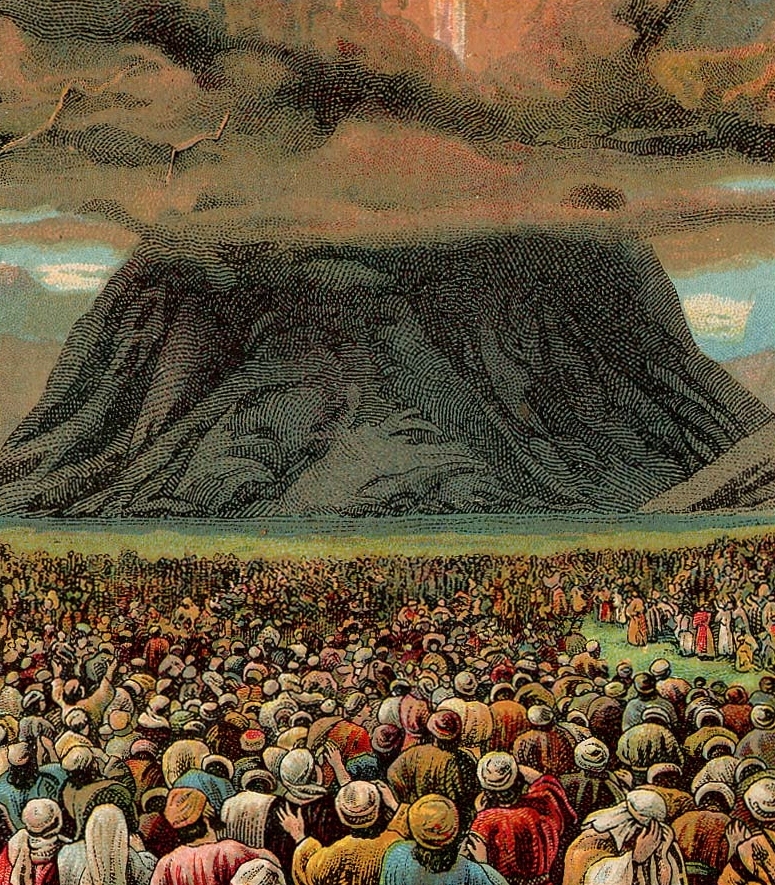
״וַיִּתְיַצְּבוּ בְּתַחְתִּית הָהָר״, אָמַר רַב אַבְדִּימִי בַּר חָמָא בַּר חַסָּא: מְלַמֵּד שֶׁכָּפָה הַקָּדוֹשׁ בָּרוּךְ הוּא עֲלֵיהֶם אֶת הָהָר כְּגִיגִית, וְאָמַר לָהֶם: אִם אַתֶּם מְקַבְּלִים הַתּוֹרָה מוּטָב, וְאִם לָאו — שָׁם תְּהֵא קְבוּרַתְכֶם. אָמַר רַב אַחָא בַּר יַעֲקֹב: מִכָּאן מוֹדָעָא רַבָּה לְאוֹרָיְיתָא. אָמַר רָבָא: אַף עַל פִּי כֵן הֲדוּר קַבְּלוּהָ בִּימֵי אֲחַשְׁוֵרוֹשׁ, דִּכְתִיב: ״קִיְּמוּ וְקִבְּלוּ הַיְּהוּדִים״ — קִיְּימוּ מַה שֶּׁקִּיבְּלוּ כְּבָר

The Gemara cites additional homiletic interpretations on the topic of the revelation at Sinai. The Torah says, “And Moses brought forth the people out of the camp to meet God; and they stood at the lowermost part of the mount” (Exodus 19:17). Rabbi Avdimi bar Ḥama bar Ḥasa said: the Jewish people actually stood beneath the mountain, and the verse teaches that the Holy One, Blessed be He, overturned the mountain above the Jews like a tub, and said to them: If you accept the Torah, excellent, and if not, there will be your burial. Rav Aḥa bar Ya’akov said: From here there is a substantial caveat to the obligation to fulfill the Torah. The Jewish people can claim that they were coerced into accepting the Torah, and it is therefore not binding. Rava said: Even so, they again accepted it willingly in the time of Ahasuerus, as it is written: “The Jews ordained, and took upon them, and upon their seed, and upon all such as joined themselves unto them” (Esther 9:27), and he taught: The Jews ordained what they had already taken upon themselves through coercion at Sinai.

Rebbe Nachman suggests one element of celebrating with joy on Purim is to reenact our recommitment to Torah out of our desire and effort, not out of a fear of negative consequences if we didn’t. This is exemplified in the mitzvah of counting the Omer, which is the counting to the celebration of the revelation of the Torah at Mount Sinai, the moment of the revealed Torah. Yet we know we cannot live with the revealed alone, with just the surface. We must work to see and accept the hidden. This is a core component of Purim, in that Gd is hidden (not mentioned in the biblical version of the story) and yet we come to reaffirm our acceptance of Torah and Gd.

When we rejoice, we break the hold of darkness that so often plagues us collectively and individually. We sweeten the harshness and find we see the world with our positive sight instead of our negative sight. When we rejoice, we reveal what is often hidden, which is the happiness, contentment and joy of our lives. The darkness easily overtakes the light and so we need to put in the effort to turn that around.

In working with people on their spiritual challenges and fostering spiritual growth, part of my role is to help bring out that which is hidden, making it into something revealed. Once we reveal the hidden, the depth of what we want, we can then begin to plan and implement the changes we want to make in our lives.

May this Purim be a time of bringing forth the hidden in our lives, bringing positive feelings to the surface and breaking the hold of the darkness which is hindering our true growth.

Are you struggling with your spiritual growth? Faith? Feeling lost in the midst of the journey of life? Contact New Beginnings Spiritual Coaching and Consulting LLC at 732-314-6758 ext. 100 or via email at newbeginningsspiritualcoach@gmail.com

Listening to the whole story

How many of us only pay superficial attention when someone talks to us? Are we only conscious of hearing just what is being said? Maybe we are among the fortunate who pay just enough attention to get the gist of the message? Or perhaps, when someone is commenting about a situation or offering constructive criticism, even with the best of intentions, all we hear is the criticism without listening to the underlying suggestions of ways to improve? Are we too stuck in who we are, too stubborn to receive feedback, to recognize how the criticism is hopefully coming from a good place? (And yes, I am and have been guilty of this way too many times to count).

Sometimes the rebuke is really a blessing in disguise!

I came across a thought from the end of last week’s Torah portion that I found to be spot on as a reflection of hearing/not hearing as it pertains to growth and change. Deuteronomy 31:30 states:

וַיְדַבֵּ֣ר מֹשֶׁ֗ה בְּאזְנֵי֙ כל־קְהַ֣ל יִשְׂרָאֵ֔ל אֶת־דִּבְרֵ֥י הַשִּׁירָ֖ה הַזֹּ֑את עַ֖ד תֻּמָּֽם׃ {פ}
Then Moses recited the words of this poem to the very end, in the hearing of the whole congregation of Israel:

When the Torah uses the word אזני (in the hearing (related to the word for ear)) or any of its derivative words, it implies a different kind of listening, perhaps as in emphasizing paying attention. The people were to be paying attention to some form of poetic rendering of Moses’ final speech. This is either a reference to Deuteronomy 32 or it is a reference to the series of verses that precede 31:30 starting from 31:22, which also uses the word שירה as a reference to the words of Moses. Regardless, the word שירה has a positive connotation, the words preceding or upcoming are more of a rebuke. As such, what did they hear?

The Israelites, while hearing the harsh words from Moses, also heard hope in his words. They didn’t just hear the rebuke and the consequences of their fall. They also heard that even when falling so far, there is a point of being able to rise back up, that the relationship promised would remain. They heard the song because they were listening with their ear, listening intently to the entire speech, not just sitting with the negativity of rebuke.

Every year, I am amazed at the extent of the formal confessionary forms of prayer we engage in throughout the period between Rosh Hashanah and Yom Kippur, culminating in the Viddui/confessions of our various “sins,” which are recited time and again on Yom Kippur. It is easy to get overwhelmed by the categories of our errors and how far we must come. Yet, I am also amazed that within this hard reality check, we can emerge with a renewed feeling of “success” and belief that we will be sealed for a good year. In many synagogues, it has become the practice to sing and dance immediately post Yom Kippur as a show of our seeing beyond the words. Through our confronting our humanity in a serious fashion, we come out the otherside having taken the heaviness and made it into something to celebrate, not dread.

May each of us “hear” the prayers of Yom Kippur as the road map forward for us to grow each day. May our “ears” be open to both the voice inside ourselves looking to improve and to the feedback we hear from others.

If you are exploring ways to deepen your ability to recognize within yourself areas of desired spiritual growth: Contact New Beginnings Spiritual Coaching and Consulting LLC at 732-314-6758 ext. 100 or via email at newbeginningsspiritualcoach@gmail.com.

Celebrating hope – chanukkah day 1

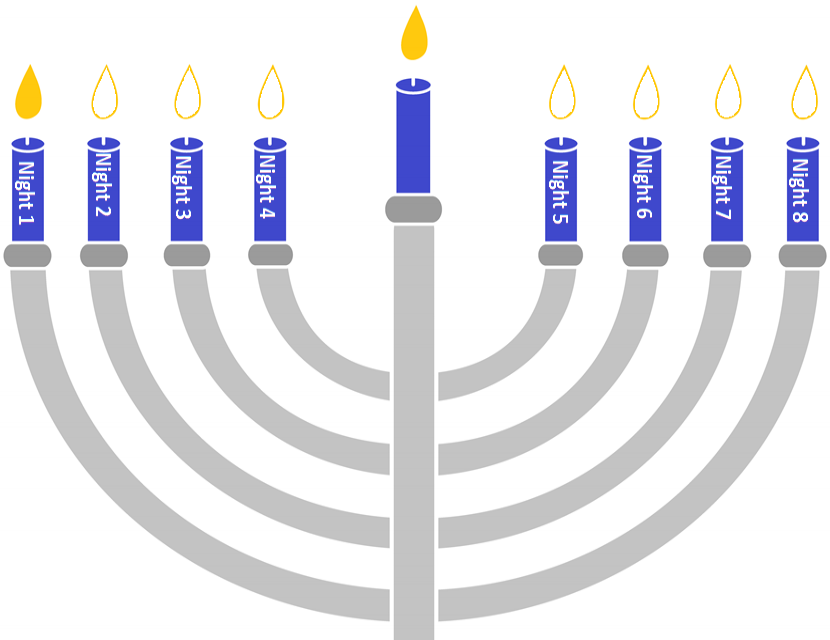
Last night we began the eight day celebration of Hanukkah. The traditional story of Hanukkah describes how the Hasmoneans, upon recapturing the Temple Mount from the Seleucid Greeks, where left without the ability to light the menorah in the Temple. Fortunately, after much searching, they came across a single jug of oil, which would have been sufficient to last for one day. Miraculously, the oil burned for eight days until they could get more pure olive oil to light the menorah on a daily basis as part of the Temple ritual.

One of the famous questions about this miraculous event is why do we light for eight nights when the miracle was that while they had enough for one night, the oil lasted an additional seven nights? One answer to this question is presented in Growing Each Day by Rabbi Dr. Abraham Twerski. He states:

…They did light the Menorah anyway, reasoning that it was best to do what was within their ability to do and to postpone worrying about the next day until such worry was appropriate. This decision elicited a Divine response and the Menorah stayed lit for that day and for seven more.

This miracle was thus initiated by the Jews themselves, and the incident was set down as a teaching for all future generations: concentrate your efforts on what you can do and do it! Leave the rest to God.

While even our best and most sincere efforts do not necessarily bring about miracles, the teaching is nevertheless valid. Even the likelihood of failure in the future should not discourage us from any constructive action that we can take now.

pg. 86

Whenever we are faced with “not enough,” many of us will freeze and give up instead of forging ahead and having the confidence that our efforts will be of value. While there are no guarantees, this is an example of better to have tried and failed than to have failed to try at all. As one strives for new beginnings, it is important to always remember the journey begins with one step, one flame, one light.

Happy Hanukkah!

For more information about New Beginnings Spiritual Coaching and Consulting LLC, and how we can support you on the journey through the waves of life, please check out: https://achaplainsnewjourney.wordpress.com/about/

Put Your Heart in It

How many of us struggle to find the inner meaning and spirit in ritual practice, whether it is something we do daily or something we do once a year. I recently read a story that illustrates the need for the heart to be a fundamental component in our actions. The story is taken from Rabbi Dr. Abraham Twerski’s (o.b.m.) daily reader Smiling Each Day (p. 20):

One Succos the Baal Shem Tove was sitting with his disciples and appeared to go into a trance. After a few moments of profound concentration, he emerged from his exalted state with a bright smile adorning his already holy countenance.

“In the celestial spheres” he announced, “there had been a great expression of joy, and I was curious as to what had brought this about.”

“It seems that a simple Jew had been traveling by foot, and in order to reach home for Succos, he took a shortcut through the forest. Unfortunately he became lost in the thicket, and soon realized, to his great dismay, that not only would he not be home with his family for the holiday, but, even more distressing to him, he would not fulfill the mitzvah of Succah! This last circumstance he simply could not bear, and as the sun began to set, he was suddenly inspired to rip off the top of his hat and cover it with branches and leaves. Being a person of little learning, he thought this would constitute a succah, and so, danced with joy that he had thought of a way to fulfill this precious mitzvah.”

The holy master concluded, “Although he of course did not fulfill the mitzvah, his intent was so pure and sincere that it caused great joy among the Heavenly host.”

From this story, Rabbi Dr. Twerski suggests that while it is important to fulfill the rituals properly, it is equally important to find the inner heart within the fulfillment. Taking this a step further, the ideal focus of our actions should include a sense that each time we perform an act, a ritual, we are doing something new, even if it is a daily practice. We always have a new opportunity to infuse our actions with heart.

As we approach the end of the fall Jewish holiday season, may the joy and meaning was have felt during this time carry us into the remainder of the year, helping us find new beginnings each and every day. May our daily routines be infused with a renewed love and joy for what we have the opportunity to do.

Facing Yom Kippur alone?

Yom Kippur, the Day of Atonement, is a very terrifying day. While it is an opportunity to start again through confession and regret, there is a sense of urgency that highlights the day. Whether one has spent this time preparing or not, how can a person wipe the entire slate clean in one 25 hour period? Sure, change is ultimately instantaneous, yet in examining the liturgy of the day, the task of repentance and finding forgiveness seems insurmountable.

Throughout Yom Kippur, the liturgy revolves around a formal confession, viddui, which lists a litany of areas we encounter and inevitably fall short of during the year. I find myself overwhelmed by the vastness of our perceived imperfections and our forced listing of them again and again. It can be lonely when confronting one’s shame, one’s failures. How can we even open our mouths to recite these words? It can be too much!

Yet, there is a short phrase in the introduction of the viddui which brings me solace. Before reciting the confession, it says:

אֱלֹהֵֽינוּ וֵאלֹהֵי אֲבוֹתֵֽינוּ תָּבֹא לְפָנֶֽיךָ תְּפִלָּתֵֽנוּ, וְאַל תִּתְעַלַּם מִתְּחִנָּתֵֽנוּ שֶׁאֵין אֲנַֽחְנוּ עַזֵּי פָנִים וּקְשֵׁי עֹֽרֶף לוֹמַר לְפָנֶֽיךָ יְהֹוָה אֱלֹהֵֽינוּ וֵאלֹהֵי אֲבוֹתֵֽינוּ צַדִּיקִים אֲנַֽחְנוּ וְלֹא חָטָֽאנוּ אֲבָל אֲנַֽחְנוּ וַאֲבוֹתֵֽינוּ חָטָֽאנוּ:

Our God and God of our fathers, let our prayer come before you and do not ignore our supplication. For we are not so brazen-faced and stiff-necked to say to you, Adonoy, our God, and God of our fathers, “We are righteous and have not sinned.” But, indeed, we and our fathers have sinned.

When we are confronting our inner self, working to overcome aspects of our lives we wish to change for the better, confessing our imperfections, there is a sense of being alone. And yet, in this phrase, “But, indeed, we and our fathers have sinned” the prayer is offering us strength, in that we are not alone in this process. We enter the auspicious day as part of a chain of tradition. We are here because it is part of our tradition, our legacy, to pause and take stock of what we have fallen short of and what we hope to rise to in the coming year. We are here because our parents, grandparents, etc. also needed a day a year to reframe life’s challenges and struggles. We are not doing this because everyone else is perfect and we are not. Rather, Yom Kippur is a day for all of us to embrace the imperfections for it is through this embrace that we can grow.

One of the struggles with growth and change in life is thinking that those around us don’t understand the struggles we are dealing with. When people are honest about their fears, worries and doubts, many barriers to change are removed. (As an example of a book that speaks about how shame is a barrier to change, see The Gifts of Imperfection: Let Go of Who You Think You’re Supposed to Be and Embrace Who You Are by Brene Brown.)

As we prepare in these final hours for Yom Kippur, may we find the resolve of knowing that we are all striving to be our ideal selves and find ways of reaching for those ideals. And if we fall short, if we err, let us remember that its OK, its part of our being human. It is merely a lonely struggle but it is a struggle we all face. May this Yom Kippur be a day of meaning, a day of introspection and a day of finding something to strive to reach for in the coming year.

“For Your Sake Living God”

In the midst of the period between Rosh Hashanah and Yom Kippur, there are liturgical additions that help frame the focus of these 10 days. One of the phrases is:

“זָכְרֵֽנוּ לְחַיִּים מֶֽלֶךְ חָפֵץ בַּחַיִּים וְכָתְבֵֽנוּ בְּסֵֽפֶר הַחַיִּים לְמַעַנְךָ אֱלֹהִים חַיִּים:

Remember us for life, King, Who desires life, and inscribe us in the Book of Life, for Your sake Living God.”

The other day, as I was reciting these words, I found myself shuddering when I came to the last phrase “for Your sake, Living God.” I began experiencing a sense that it is so difficult to live up to an ideal that if all else fails, we hope we can rely upon, “for Your sake…” inscribe us for good. As I was lost in this awesome moment, I was reminded of a short piece I recently read in Growing Each Day, a daily reader written by Rabbi Dr. Abraham Twerski o.b.m.. After asking what the phrase “for Your sake” means, Rabbi Twerski suggests a creative read of the prayer:

We might read the verse a bit differently. “Inscribe us in the book of a life that is lived for Your sake.” In other words, we pray not only for life, but for a quality of life that is meaningful and purposeful, one that will be lived for the greater glory of God (p. 5)…

Of course, we wish to be inscribed in the book of life, but it should be a life that we wish to be in rather than one that we seek to escape from (ibid.)

We recite these words during the 10 days of repentance as a focus on our striving for an ideal life of meaning, or spirit, of Godliness. I shuddered because it is an awesome and lofty goal that recognizes how hard it would be to reach. During this period, we look to formulate our ideal self, turning in prayer to God recognizing our imperfections and expressing a deep sense of hope to start clean.

Years ago, in a similar way, standing in prayer on Yom Kippur, reciting the words of confessions, the Viddui, I found myself suddenly laughing at the seeming absurdity of striving for forgiveness for all the myriad mistakes we make and will find ourselves making year in and year out. The laughter came from a place of fear, as if I didn’t laugh, I would have felt crushed by how truly difficult change is. I realized in that moment the goal of Viddui, the goal of this entire period is a striving, a framing of who we hope our ideal selves will be. And when we emerge from Yom Kippur, the question will be: do we have the opportunity afforded to us by being in the book of life to work on living towards our ideal self throughout the coming period between Yom Kippur and the next Rosh Hashanah? Will we carry forward the image of who we want to be during the doldrums of the remainder of the year?

May this new year of 5782 and this period be one of deep introspection in finding the ideal you so that we can take the opportunity to hit pause and beginning anew with a new goal, a new purpose and a new mission in our lives.

Meditation for Rosh Hashanah

Rosh Hashanah is a new beginning, a new opportunity to reconnect with our most basic self. There are no barriers. The shofar blowing represents this barrierless experience, as the sounds come from our breath and breath alone. We listen to the depths of the soul and if we are attentive, will truly experience the cries and pains that emerge.

For those looking for a focus for this upcoming Rosh Hashanah, the following piece is very meaningful. Rav Yoel Glick shared the following reflection and practice for concentration during Shofar Blowing.

The shofar (ram’s horn) that we sound on Rosh Hashanah is intimately linked with this process. The shofar blast is a column of energy in the form of sound that aligns us with our soul and prepares us to receive the incoming new consciousness and energies. It creates the “birth canal” for the spiritual awakening that is to take place at this time. The stronger the alignment is with the column of energy, the greater will be the spiritual birth that takes place.

Rebbe Natan of Nemirov teaches that on Rosh Hashanah we bring the New Year from koach el hapoel, from potential into action, from the plane of the mind into the plane of physicality — from celestial energies into concrete activities in the world. The physical act of blowing the shofar is a symbolic representation of this movement. We take air from our lungs and send it through a physical vessel, the shofar, which then takes the breath and turns it into sound...

When we listen to the sound of the Shofar, we are hearing the depths of the shofar blower. Are we paying attention to the sound, the breath, the energy put out into the world? Here is Rav Yoel’s practice for being mindful and focused during and after the shofar blowing:

Begin by first emptying your mind of all thoughts. Search inward and find the center of your being. Now turn your mind towards the God of Israel and the Soul of Israel, and look in their direction with love and awe.

When the shofar is blown, use the sound to focus your mind and ascend upward on the energy. Keep reaching higher and higher as the shofar blasts continue. When the shofar stops — sit in the silence — still and ready to receive the Lord’s response.

This response may come as a feeling of God’s presence, or as a thought, word or image that drops into your mind; or it may simply come as the “livingness” within the silence. Whatever form God’s response takes, if you are open and sincere, then you will receive.

May this year be a year where we all find a new beginning, something that invigorates our hearts and minds. May we be open to receive blessing and goodness. May this year see us continue to emerge from the traumas of the past year and a half and may each of you find a sweetness and hope.