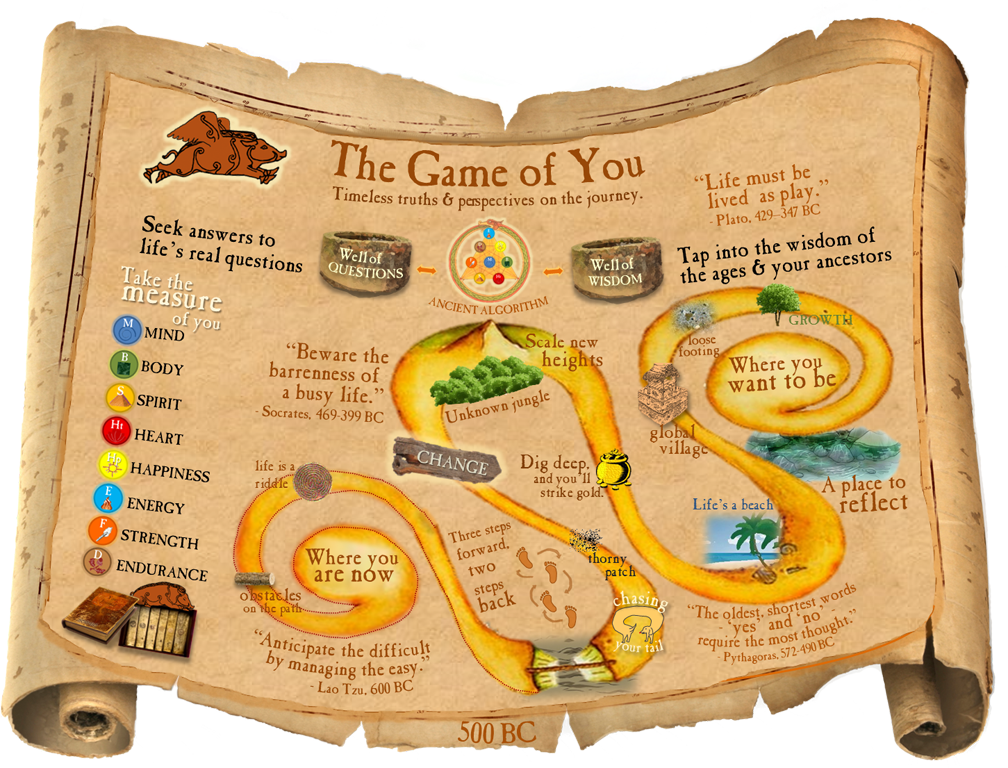
The Path Reveals Itself Over Time

Wouldn’t it be great if we had the roadmap of life in front of us, knowing where we were supposed to go, when to make a turn and when to recognize we had fulfilled what it is we are here to fulfill? Life would be much simpler, though I would guess it would also become too boring. When everything is predictable, we tend to stop trying because we pretty much know the results. 

I am always thinking about the road I am traveling on, wondering if I have read the road signs along the way to know if my decisions were in line with how the story of my life is to play out. While at times I, and I assume most of us, have taken side roads and exit ramps to different areas, we inevitably seem to be drawn back to some sort of main path. Of course, we know what we want, or try to establish what we want, yet often what we want and what we live are not one and the same. Part of this is the reality of not just being on an individual road but a road with each other, reacting to the world around us. And part of this is because perhaps what we want is not our purpose, our reason for being. Recently, I came across an idea that has me reconsidering how we should be looking ahead on our personal roads.

There is an important, fundamental idea in avodas Hashem (serving Gd) that the tachlis, the ultimate purpose (of the world, and of a person in this world as well) is constantly hidden from a person. This is because a person should constantly yearn and long for the tachlis. The tachlis is never clearly revealed to a person; what is revealed is only the closest next level to a person ( that they need to and can reach). Similarly, at all times (through every particular detail of life a person goes through), only the next small step is revealed to a person. However, a person’s “next level,” the one in reach of him, is not revealed. Therefore, people are often confused about what the tachlis is, and aren’t clear as to what the ultimate level they need to achieve is. But, in reality, a person doesn’t need to know more than this – just knowing the next level they need to get to is enough for our avodah (following this is the closest one can get to the tachlis).

Sea of Wisdom, Parashat Va’Era 5784 – R. Yitzchak Meir Morgenstern

Faith (Emunah) is one of the most difficult things to cultivate and experience (I discuss some of this in a recent post). Faith is something we must actively work on and actively cultivate. We cannot just sit and wait. Part of this process is being open to recognizing that while we might not know where we are headed, we can see small glimmers of the road ahead. Faith is also realizing that we will only ever see small glimmers of the road ahead and that we must have the confidence to move forward nevertheless because the path will reveal itself over time. Faith is maintaining the hope we will be able to discern what we are seeing and know how best to approach the next stretch of road.  

Looking to start fresh? If you or someone you know is looking to forge ahead and set new goals or trying to find a sense of meaning in life, we are here to help foster a spiritual and emotional growth and change. Contact New Beginnings Spiritual Coaching and Consulting LLC at 732-314-6758 ext. 100 or via email at newbeginningsspiritualcoach@gmail.com

Rebbe Nachman’s Advice # 21 – Maintaining Simple Faith

As we have seen in many of my previous posts reflecting on Rebbe Nachman’s words, his approach is one of “simplicity” which is often misunderstood for lacking depth. Rather, it is an approach to faith that tries to remove all aspects of intellectualism as it pertains to harming our sense of belief. Most of us, this author included, struggle to balance the desire to investigate and reflect deeply while also maintaining a child-like innocence in how we see faith and belief. This includes the consumption of deep, intellectually stimulating works. As we see in the below piece, Rebbe Nachman clearly states that delving into philosophy is “destructive.”

מז. וְצָרִיךְ לִזָּהֵר מְאֹד שֶׁלֹּא לְהַבִּיט כְּלָל בַּסְּפָרִים הַמְדַבְּרִים מֵחֲקִירוֹת, כִּי הֵם מַזִּיקִים וּפוֹגְמִין מְאֹד אֶת הָאֱמוּנָה הַקְּדוֹשָׁה. וּכְבָר מְבֹאָר זֶה בְּכַמָּה מְקוֹמוֹת, אַךְ צָרִיךְ לִכְפֹּל כַּמָּה פְּעָמִים אַזְהָרָה זֹאת לְבַל יֹאבַד עוֹלָמוֹ כְּרֶגַע חַ”ו: (שם)

One has to greatly distance oneself even from the philosophical works. Such works are very damaging to faith. Now, it has already been explained in various places [in our teachings], yet it is necessary to repeat this again and again, to save oneself from destruction, God forbid (Ibid.).

I believe that Rebbe Nachman is categorizing philosophical works as those which are written to undermine faith, not works which offer a deeper and richer read of the beauty of Gd’s world. Further, if we take a statement like this in the context of the times he is living, there is clearly an Anti-Enlightenment polemic. And finally, we see that for Rebbe Nachman, there was a struggle. For those who have studied his Likkutei Moharan, you see a deeply thoughtful person who offers a depth to spirituality. It is not exactly a book of “simplicity.” I would even suggest that Likkutei Etzot, the book we are drawing these lessons from, was an approach to simplifying the message. Yet, there was a strong storytelling tradition, in which he taught deep ideas through the tales he crafted. His theory was that the story carried the simplicity and sophistication he wanted simultaneously.

For my purposes though, I think there is something more fundamental we can learn from this passage. We are by nature curious. Curiosity is valuable. And knowledge is important. Yet, in order to live a life of faith, there are times when we need to shift away from the intellectual exercises and the overthinking and just be. It is at this juncture that our actions, speech (prayers) and thoughts go from something in the mind to something coming from the depths of our humanity.

Yes, be a reader. Be a thinker. And be a person who continuously cultivates one’s faith in a way that it is not fractured, that it is as close to whole as possible. This is not easy. It is fraught with many potential pitfalls. And one need not go it alone. Find others who are on the same path and strength one another in this approach.

Are you struggling with your spiritual growth? Faith? Feeling lost in the midst of the journey of life? Contact New Beginnings Spiritual Coaching and Consulting LLC at 732-314-6758 ext. 100 or via email at newbeginningsspiritualcoach@gmail.com

Rebbe Nachman’s Advice # 20 – Verbalizing Our Desire to be Believing People

It is not simple to be faithful, believing people. The world is complicated. We constantly read about the negative things going on in the world. And even when we read something uplifting and positive, it is easy to fall back into the skeptical, when is the other shoe going to drop mode. We wish we could see things positively but it is quite difficult. Even with all the tools at our disposal, the self-help tips, etc. we still don’t have a single solution other than constant vigilance. Interestingly, Rebbe Nachman offers an approach to strengthening/reinforcing our sense of faith that is simple and profound. He suggests:

מה. הָאֱמוּנָה תּוֹלָה בַּפֶּה שֶׁל הָאָדָם, שֶׁצְּרִיכִין לְדַבֵּר הָאֱמוּנָה בַּפֶּה, כְּמוֹ שֶׁכָּתוּב: “אוֹדִיעַ אֱמוּנָתְךָ בְּפִי”. וְעַל־כֵּן כְּשֶׁאָדָם נוֹפֵל מֵאֱמוּנָה חַ”ו, עֵצָה לָזֶה – שֶׁיְּדַבֵּר הָאֱמוּנָה בְּפִיו, שֶׁיֹּאמַר בְּפֶה מָלֵא שֶׁהוּא מַאֲמִין וְכוּ’. כִּי זֶה בְּעַצְמוֹ שֶׁמְּדַבֵּר בְּפִיו דִּבּוּרֵי אֱמוּנָה, זֶה בְּעַצְמוֹ הוּא בְּחִינַת אֱמוּנָה. גַּם עַל־יְדֵי זֶה זוֹכֶה לָבוֹא לֶאֱמוּנָה שְׁלֵמָה, כִּי הָאֱמוּנָה תּוֹלָה בַּפֶּה שֶׁל אָדָם כַּנַּ”ל: (לק”ת סי’ מד)

Faith depends on a person’s mouth. We must say we believe — say it out loud! As it is written in the Psalms (89:1) “I will make known Your faithfulness with my mouth.” When a person has a crisis of faith, or even passing doubts, it is very good if he says out loud: “I believe.” Just expressing your faith in words is itself one kind of faith. Through doing this you can come to genuine faith (44).

Very simply, if you want it, verbalize it. Of course, if things were only this simple most of us would not be in this struggle. As such, what is underlying this suggestion?

When we verbalize our thoughts, first and foremost we are narrowing our focus through the words we choose to use. Thoughts can get jumbled and go all over the place. Speaking forces us to hear aloud the thoughts and begin to grapple with them. When it comes to faith and doubt, our mind goes through multileveled analysis, oscillating between faith and skepticism. While it is true we can say “I believe” and not really believe, once we speak those words, we begin to find it a bit harder to maintain the skepticism. Most of the time, our ideal self prefers not to be seen as a lier, even if one is alone.

To me, this verbalization is the concretization of our thoughts and feelings. When we declare to ourselves, I do believe, we are claiming that faithful side for ourselves. Does it get rid of the skepticism? No! But it does begin to guide us towards having genuine faith for it opens the door for us.

If perhaps you are struggling with your faith and desire to strengthen this part of yourself, I would suggest this as another tool to bring to the table along your journey along a path of faith and belief.

Are you struggling with your spiritual growth? Faith? Feeling lost in the midst of the journey of life? Contact New Beginnings Spiritual Coaching and Consulting LLC at 732-314-6758 ext. 100 or via email at newbeginningsspiritualcoach@gmail.com

Rebbe Nachman’s Advice # 17 – When Silence is the Epitome of Faith

Much of life is the struggle of our sense of control (The introduction to the Breslov Haggadahfree download here – presents a read of the sin of Adam and Eve as a sin presuming humanity has “real” control). We tend to believe we are in control of everything. Each of us struggles with this sense of self. Part of our expression of this control comes from our speech. While it is often important to speak up to protect ourselves, it is not without consequence. We find ourselves regularly in conflict with each other. This is true, even when we are right. Because being right can have unintended consequences.

In this piece from Rebbe Nachman, I find an approach to how we can overcome the sense of control we often struggle with. It comes from the importance of cultivating our ability to be silent.

לז. עַל־יְדֵי מַחְלֹקֶת, עַל־יְדֵי זֶה נוֹפְלִים מַחֲשָׁבוֹת שֶׁל רְשָׁעִים שֶׁהֵם מַחֲשָׁבוֹת שֶׁל כְּפִירוֹת עַל אֲנָשִׁים כְּשֵׁרִים. וְהַתִּקּוּן לָזֶה, שֶׁיִּשְׁתֹּק וְיִמְסֹר הַמִּלְחָמָה לַה’: (לק”א סי’ רנ”א)

Controversy and divisiveness can cause even God-fearing people to start having doubts about their beliefs. The answer is to be silent. And to leave the battle to the Lord (251).

Silence is not merely a passive state of allowing someone to take advantage or to trample over you. Here, Rebbe Nachman is suggesting that silence is a deliberate practice of realizing that very often, even if we think our approach might be the better approach, it is important to practice restraint and it is important to recognize that while we might think we are right, maybe the way we want to approach the situation requires a different, thought out strategy. Faith is recognizing that we don’t really know. Faith is often taking a step back and allowing things to play out instead of trying to force a situation into a certain box.

Spiritual growth is a constant approach of striving forward. To strive forward we need to work on our ability to cultivate connection and peacefulness. We cannot grow if things around us are broken, are divided. Sometimes these breaks are real and sometimes they are perceived to be broken. And sometimes the brokenness comes because we react instead of taking a moment, being in silence, and seeing the situation for its broader implications.

May each of us learn the art of silence as an act of expressing our faith.

Are you struggling with your spiritual growth? Faith? Feeling lost in the midst of the journey of life? Contact New Beginnings Spiritual Coaching and Consulting LLC at 732-314-6758 ext. 100 or via email at newbeginningsspiritualcoach@gmail.com

Rebbe Nachman’s Advice # 16 – Working towards Seeing is Believing

This week’s Torah portion, Ki Tissa, brings us to the story of Israel’s almost cataclysmic choice, the fashioning and worshipping of the Golden Calf, the Egel HaZahav. While there is a debate about whether the idol was to replace Gd or Moses or perhaps even both, there is an interesting, underlying spiritual question regarding the story. There is a famous statement, Seeing is Believing, yet how often is this statement proven false. In the story of the worshipping of the Golden Calf, this idea is proven false, for the Israelites had experienced Gd’s miracles and heard Gd’s “voice” and yet a short time later they fall into this ultimate of violations of faith.

If seeing is believing is not an absolute reality, how come this is a go to statement for so many. Sure, we often use it sarcastically, but within the sarcasm must be a modicum of believing it to be true. Perhaps, we can suggest an approach from Rebbe Nachman. I present two quotes from Likkutei Etzot about making our faith so strong that it is as if we are really seeing it (and See here (Rebbe Nachman’s advice # 10) for a parallel text and my thoughts):

עִקַּר שְׁלֵמוּת הָאֱמוּנָה הוּא, שֶׁיִּתְחַזֵּק בֶּאֱמוּנָה חֲזָקָה כָּל כָּךְ עַד שֶׁתִּהְיֶה בְרוּרָה וְזַכָּה מְאֹד, עַד שֶׁיִּהְיֶה דּוֹמֶה בְּעֵינָיו כְּאִלּוּ רוֹאֶה בְּעֵינָיו מַמָּשׁ הַדָּבָר שֶׁמַּאֲמִין בּוֹ, וְכַמְבֹאָר לְעֵיל (בְּאוֹת ל”ב [צ”ל אוֹת כ”ח]): (לק”א סי’ רל”ד)

Faith must be a complete and very clear faith, such that because of his faith it seems to him as if his eyes see the very thing he believes in

Likkutei Etzot Truth and Faith # 36

כְּשֶׁאָדָם חָזָק בֶּאֱמוּנָה מְאֹד, זוֹכֶה אַחַר כָּךְ לָבוֹא אֶל הַשֵּׂכֶל, וְכָל מַה שֶׁמַּחְזִיק אֶת עַצְמוֹ בֶּאֱמוּנָה יוֹתֵר, בָּא אֶל שֵׂכֶל יוֹתֵר. כִּי הַדָּבָר שֶׁהָיָה צָרִיךְ מִתְּחִלָּה לְהַאֲמִין מֵחֲמַת שֶׁלֹּא הֵבִין הַדָּבָר, זוֹכֶה אַחַר כָּךְ לַהֲבִינוֹ בְּשֵׂכֶל עַל־יְדֵי אֱמוּנָתוֹ הַחֲזָקָה. אַךְ אַחַר כָּךְ יֵשׁ לוֹ דְּבָרִים גְּבוֹהִים יוֹתֵר, שֶׁהֵם נִסְתָּרִים מִמֶּנּוּ וְאֵינוֹ יָכוֹל לַהֲבִינָם בְּשֵׂכֶל, וַאֲזַי צָרִיךְ לְהִתְחַזֵּק אֶת עַצְמוֹ יוֹתֵר בֶּאֱמוּנָה, לְהַאֲמִין בְּמַה שֶּׁנִּסְתָּר מִמֶּנּוּ עַתָּה וְאֵינוֹ מֵבִין בְּשֵׂכֶל, עַד שֶׁיִּזְכֶּה לְהָבִין גַּם אֵלּוּ הַדְּבָרִים בְּשֵׂכֶל, וְכֵן לְעוֹלָם. אֲבָל לָזֶה צָרִיךְ לִהְיוֹת הָאֱמוּנָה חֲזָקָה מְאֹד מְאֹד עַד שֶׁתִּתְפַּשֵּׁט הָאֱמוּנָה בְּכָל הָאֵיבָרִים, וְאָז יוּכַל לִזְכּוֹת לָבוֹא אֶל הַשֵּׂכֶל עַל־יְדֵי הָאֱמוּנָה כַּנַּ”ל: (לק”א סי’ צ”א)

If you are very strong in your faith you will eventually reach understanding of what you believe in. The stronger your faith the greater your understanding will be. At the outset you have no option but to have faith because you cannot understand the matter rationally. Through faith you will come to understand it. Except that then there will be new, more exalted levels which are still hidden from you and beyond your ability to understand rationally. Here again you will have to make the effort to believe. You must always have faith in the levels that are hidden from you. In the end you will understand them also. And so the process goes on. The main thing is that your faith must be so strong that it spreads to all your limbs. This faith will bring you to true wisdom (91).

Likkutei Etzot Truth and Faith # 32

Rebbe Nachman is suggesting that our life goal should be the constant work around strengthening our faith. We cannot just go through life and presume we will have the belief and fortitude to overcome moments that challenge us. We have to prepare, we have to work on it. We have to study and reflect on what it means when we say we believe or we have faith in… Is it just words or is it part of our essence? And, from his words, it seems like even when it is something that is seemingly well established, we must continue to work on it.

I can imagine that for the Israelites, it is this latter point which was a problem. They were witness to things that are improbable/impossible. They experienced miracles that the world has never seen. And yet, that wasn’t enough because the experiences needed constant reinforcement. Sure, one could argue that the Torah’s story presumes that they saw regular “miracles” like the manna and the protective clouds around the encampment. Nevertheless, regular “miracles” lose potency over time; they become routine. Once they become routine, the inspiration dissipates.

When life becomes routine, we lose the inspiration to grow. When we purposefully work on seeing and experiencing the simple inspirations in life, we can maintain and grow in our sense of awe at the wonders of the world. Faith is a constant goal. And if we constantly strive, perhaps we really will have seeing is believing moments. May we merit to have times when we are open to truly seeing the beauty of our path, our journey.

Are you struggling with your spiritual growth? Faith? Feeling lost in the midst of the journey of life? Contact New Beginnings Spiritual Coaching and Consulting LLC at 732-314-6758 ext. 100 or via email at newbeginningsspiritualcoach@gmail.com

Audio – Lessons in Tanya 54

Chapter 33 – This chapter discusses how we can find a sense of joy in reflecting on Gd’s unity. This is a difficult concept to see as it presumes a sense of self-nullification that most of us haven’t reached in life. We reflect on what it means that Gd is the only “real” existence, being both within and around existence. The goal of the intellectual contemplation is a deepen our faith in finding the light in the midst of darkness, find joy in the midst of sadness.

Episode 54

All episodes can also now be heard on Apple Podcasts – here

Do you want to work on taking the actions of your life and find meaning in all you do and who you are? Are you struggling with your spiritual growth. Contact New Beginnings Spiritual Coaching and Consulting LLC at 732-314-6758 ext. 100 or via email at newbeginningsspiritualcoach@gmail.com

Rebbe Nachman’s Advice # 13 – Having Faith will help stay the course

Today, I find myself coming back to the issue of faith and trust. Whenever we embark on a new journey, a New Beginning, we embark on a path along the route of the unknown. In truth, we do this every day of our lives, even when we believe that today is no different than yesterday. When we start out the day, we have no idea how the day will go, yet, most of us go about the day presuming things will work themselves out. For example, by the middle of the day, a meeting I had scheduled was changed to an earlier time, a plan I had made was rescinded and I accomplished a couple of things I hadn’t expected when I got up later than I had planned. What allowed me to stay calm was the sense that this was all part of the road I was supposed to be on today.

In the following passage from Rebbe Nachman, we see his perspective on how faith allows us to overcome the obstacles placed before us and the pitfalls that can be felt when we recognize that our faith is not 100 percent. And while today I was able to remain calm enough in the midst of changes, many times, I know the experience of how a change can leave us feeling lost, showing that we are struggling to “trust the process.”

לד. אֱמוּנָה הִיא בְּחִינַת כֹּחַ הַגֹּדֶל וְכֹחַ הַצּוֹמֵחַ וְהִיא בְּחִינַת אֲרִיכַת אַפַּיִם. הַיְנוּ, כְּשֶׁיֵּשׁ לוֹ אֱמוּנָה שְׁלֵימָה, הוּא גֹּדֶל וְצוֹמֵחַ בַּעֲבוֹדָתוֹ יִתְבָּרַךְ אֲפִלּוּ אִם יַעֲבֹר עָלָיו מָה, כִּי אֵין יוּכַל לְבַלְבְּלוֹ שׁוּם בִּלְבּוּל וּמוֹנֵעַ, רַק הוּא מַאֲרִיךְ אַפּוֹ לִסְבֹּל כָּל מַה שֶּׁיַּעֲבֹר עָלָיו. כִּי כָּל הַבִּלְבּוּלִים וְהַמְּנִיעוֹת מֵעֲבוֹדַת הַשֵּׁם מַה שֶּׁאֵינוֹ מִתְקָרֵב לְיִרְאֵי הַשֵּׁם, הַכֹּל הוּא מֵחֲמַת עַצְבוּת וְעַצְלוּת וּכְבֵדוּת שֶׁבָּא מֵחֲמַת חֶסְרוֹן אֱמוּנָה. כִּי אִם הָיָה לוֹ אֱמוּנָה שְׁלֵימָה בְּהָאֱמֶת כָּרָאוּי, בְּוַדַּאי הָיָה רָץ וּמִזְדָּרֵז מְאֹד לְהִתְקָרֵב לָהֶם. וְכֵן מַה שֶּׁאֵינוֹ מִתְפַּלֵּל כָּרָאוּי, הוּא גַּם כֵּן מֵחֲמַת עַצְבוּת וּכְבֵדוּת שֶׁבָּא מֵחֶסְרוֹן אֱמוּנָה, כִּי בְּוַדַּאי אִם הָיָה לוֹ אֱמוּנָה שְׁלֵימָה, וְהָיָה מַאֲמִין שֶׁהַשֵּׁם יִתְבָּרַךְ עוֹמֵד עָלָיו וְשׁוֹמֵעַ כָּל דִּבּוּר וְדִבּוּר שֶׁיּוֹצֵא מִפִּיו וּמַאֲזִין לְקוֹל תְּפִלָּתוֹ, בְּוַדַּאי הָיָה מִתְפַּלֵּל כָּרָאוּי בְּהִתְלַהֲבוּת וְחֵשֶׁק גָּדוֹל. אַךְ עִקַּר בִּלְבּוּל הַתְּפִלָּה הוּא מֵחֲמַת חֶסְרוֹן אֱמוּנָה. וְכֵן כָּל הַהִתְרַחֲקוּת מִצַּדִּיקִים וִירֵאִים וּמֵעֲבוֹדַת הַשֵּׁם בֶּאֱמֶת, הַכֹּל מֵחֲמַת חֶסְרוֹן אֱמוּנָה, שֶׁעַל־יְדֵי זֶה בָּא עָלָיו עַצְבוּת וְעַצְלוּת וּכְבֵדוּת כַּנַּ”ל. אֲבָל כְּשֶׁיֵּשׁ לוֹ אֱמוּנָה שְׁלֵימָה אֵין יָכוֹל לְמֹנְעוֹ שׁוּם דָּבָר, רַק מַאֲרִיךְ אַפּוֹ לִסְבֹּל הַכֹּל, וְגֹדֶל וְצוֹמֵחַ בַּעֲבוֹדַת ה’ אֵיךְ שֶׁיִּהְיֶה: (לק”א סי’ קנ”ה)

Faith contains the power of growth. A person with perfect faith will grow and develop in his devotion to God no matter what he may have to go through. Regardless of the obstacles or difficulties he may encounter, nothing will throw him off course. He will accept whatever he experiences with patience. People who are put off by the obstacles and difficulties which confront them when they try to serve God have a certain lack of faith. They are left with a feeling of heaviness and depression, a lack of enthusiasm. Why is it that people don’t make real efforts to draw closer to those who lead lives of piety and justice? If they really had faith they would run to them as fast as they could. Why do people not pray properly? If they had genuine faith, they would really believe that God stands over them while they are praying and hears every word that emerges from their lips. Then they would pray with tremendous fire and yearning. But instead they are listless and depressed. It is because they lack this real faith. That is why they are far from the Tzaddikim, from the pious and just, and from true devotion to God. When a person has genuine faith nothing can stand in his way. No matter what happens he will grow in the service of God (155).

What is interesting about this passage is that in addition to offering the contrast between the one who has genuine faith to stay the course even when led astray vs. the one who gets overwhelmed and overcome by the obstacles placed in front of him/her, Rebbe Nachman also discusses what real faith would look. If we had genuine faith, we would be more comfortable surrounding ourselves with others who have genuine faith. If we really believed, we would never allow prayer to be something perfunctory. Being truly faithful will allow us to always strive and grow in our spirituality.

Touching on this latter point, I think there is a depth to this statement. When we are frustrated, angry, depressed, sad, how do we react? Do we allow it to take us down, drive us away from our desired path? Do we give up easily? Let’s be real. The answer to all of these questions will be yes at times. It is the rare individual that can always step over the obstacles without losing a step. Most of us struggle with times we get tripped up. Yet, even in those moments, if we can find our pathways for continued spiritual work, whether in prayer, in being in the company of others who are living a faith driven life, or with some other spiritual practice, then we can allow that faith to lead us back to the path we are working towards traversing.

May each of us cultivate this genuine faith in all of the spiritual work we do in our lives.

Are you struggling with your spiritual growth? Faith? Feeling lost in the midst of the journey of life? Contact New Beginnings Spiritual Coaching and Consulting LLC at 732-314-6758 ext. 100 or via email at newbeginningsspiritualcoach@gmail.com

Rebbe Nachman’s Advice # 10 – Personal faith and the conflict of religion vs/ spirituality

In the modern world, the practice of a religion and the journey for increased spirituality are often at odds. Many times it is because we create false dichotomies between the two as a means of explaining away the ways of people. It is an example of how I often will say don’t a religion by the people who practice it. Religion can and should be a pathway for spiritual growth and hopefully spiritual growth will come along to help show people the beauty of time-honored ritual. Yes, our modern world doesn’t always jive with ancient ritual and yet so often we see the reintroduction of these ancient rituals as finding a “new” method for better self-care and help. My favorite of these which I often quote is when we read about the importance of a Sabbath, as if its a new notion of setting aside a day a week for “rest.”

All of the above relates to this idea of Rebbe Nachman on faith. For Rebbe Nachman, and in reality for anyone actively pursuing the spiritual, our growth and journey is built on faith, the trust of the unknown. As Rebbe Nachman posits:

כח. אֱמוּנָה אֵין שַׁיָּךְ אֶלָּא בְּדָבָר שֶׁאֵינוֹ יוֹדֵעַ טַעַם. וְאַף עַל פִּי כֵן אֵצֶל הַמַּאֲמִין הַדָּבָר גָּלוּי, כְּאִלּוּ רוֹאֶה בְּעֵינָיו אֶת הַדָּבָר שֶׁמַּאֲמִין בּוֹ מֵחֲמַת גֹּדֶל אֱמוּנָתוֹ הַשְּׁלֵמָה: (לק”א סי’ ס”ב אות ה’)

We only speak of faith when the one who believes does not know why he believes. But even so, for the believer himself the thing he believes in is perfectly clear and obvious to him — as if he saw it with his own eyes. This is because his faith is so strong (62:5).

Notice the two points in the above lines. First, is the admission of faith being something we cannot “know.” It is something non-intellectual. This doesn’t mean our faith is purely an emotional state. Rather, it is a reflection on how we cannot presume faith as intellectual, as sitting in the mind. At the same time, we also learn from this passage that our faith must be as it is “known.” Our mission is to build our internal faith into something unknown but known. It needs to remain faith, but be so clear as to be as if we know.

As it relates to the struggle of bridging religion and spirituality, too often the challenge is that religion is that which is more of a communal nature while spirituality has a stronger individualistic bent. The bridge is faith. Faith can be cultivated by the rituals and practices we take on as individuals and as a community. At the same time, faith is something that is purely individualistic, for only we can see our beliefs. The spirituality aspect is supporting the individuality that we can imbue the communal ritual with.

Today, may we continue to work to cultivate and enhance our personal faith/spirituality while also finding the ways to bring that spirituality into our communal, religiously inspired rituals.

Are you struggling with your spiritual growth? Faith? Feeling lost in the midst of the journey of life? Contact New Beginnings Spiritual Coaching and Consulting LLC at 732-314-6758 ext. 100 or via email at newbeginningsspiritualcoach@gmail.com

Rebbe Nachman’s advice # 9 – Faith as a key to holiness

As we search for ways to enhance our spirituality, our sense of personal holiness, we go on a journey to find a path. What if the path is not outside of ourselves but rather is already here for us to travel on? I think this short passage from Rebbe Nachman might be hinting at this methodology.

כז. עַל־יְדֵי אֱמוּנָה נִפְתָּחִין שַׁעֲרֵי הַקְּדֻשָּׁה: (לק”א סי’ נ”ז אות ח’)

The gates of holiness are opened through faith (57:8).

Faith is an internal barometer of our spirituality. If we sit with our thoughts and our emotions as it pertains to our spirituality, we will begin to see this faith come to the forefront. I would go out on a limb to suggest, though not from Rebbe Nachman himself, that this faith can go beyond the particularistic sense of Gd’s providence in the world. It can be a sense of seeing the world as something not chaotic, not left to random chance. With that said, when we find and cultivate this sense of faith, we open ourselves to the deeper experiences that place before us a sense of kedusha, or feeling the sacredness of life. Faith is the key to the sacred.

On the journey of life, so often, we are looking to travel on a path outside of ourselves. Perhaps we need to recognize the journey is not a road out there. Rather the road is paved by our feet as we walk forward step by step.

Today, may we find our key that is right in front of us to open the door to our internal feeling of being holy, of being sacred.

Are you struggling with your spiritual growth? Faith? Feeling lost in the midst of the journey of life? Contact New Beginnings Spiritual Coaching and Consulting LLC at 732-314-6758 ext. 100 or via email at newbeginningsspiritualcoach@gmail.com

Rebbe Nachman’s Advice # 7 – Faith as the key to harnessing a New Beginning

Waking up each day, we start off on the next leg of the journey of life. Each day contains elements of that which happened in the past and many of us feel that one day blends into the next. Yet, each day is a new beginning, another opportunity to do new things or bring newer attitudes to that which might seem monotonous.

Rebbe Nachman tied in the notion of faith with waking up each morning, saying:

יט. עַל־יְדֵי אֱמוּנָה מְחַדְּשִׁין הַמֹּחַ, שֶׁהוּא הַנְּשָׁמָה, בִּשְׁעַת שֵׁנָה. וְזוֹכִין לְקַבֵּל עַל־יְדֵי הַשֵּׁנָה שֵׂכֶל חָדָשׁ וּנְשָׁמָה חֲדָשָׁה מֵאוֹר הַפָּנִים: (לק”א סי’ ל”ה אות ג’ ד’ ה’)

When a person is asleep he enters the category of “faith”, and this refreshes his intellect, which is the manifestation of his soul. The refreshment a person gains from sleeping can help him to attain new levels of religious awareness and perception of God. He can actually receive a new soul from the light of God’s countenance (35:3-5).

The epitome of faith is found in the state of sleep, the state that allows the soul to reconnect without the constraints of the physical. This opportunity affords us the chance to awaken with a new sense of perspective in life. Too often we all believe once we walk along a certain path we do not have the chance to veer off and do something new. By recognizing that each day is a fresh start, even in the midst of outwardly doing the same tasks from the day before, we can find new levels of spiritual growth.

May each of us work toward seeing all aspects of life, from the awake state to the sleep state, as opportunities for enhancing our faith and growing in our spirituality.

Are you struggling with your spiritual growth? Faith? Feeling lost in the midst of the journey of life? Contact New Beginnings Spiritual Coaching and Consulting LLC at 732-314-6758 ext. 100 or via email at newbeginningsspiritualcoach@gmail.com