Rebbe Nachman’s Advice # 6 – Charity and Faith go together

Faith manifests itself in many forms. Much of our approach to faith is emotional/intellectual, in that we either try to gain clarity and understanding in what we see in the world or allow experience and gut to guide us on our journey. In the below quote from Rebbe Nachman, he suggests that faith has a more pragmatic, action oriented element as well:

טז. עִקַּר חֲשִׁיבוּת הַצְּדָקָה וּשְׁלֵמוּתָהּ הִיא בֶּאֱמוּנָה. וְכָל הַבְּרָכוֹת וְהַהַשְׁפָּעוֹת הַבָּאִים עַל־יְדֵי הַצְּדָקָה, אֵין לָהֶם שְׁלֵמוּת כִּי אִם עַל־יְדֵי אֱמוּנָה, שֶׁהִיא מְקוֹר הַבְּרָכוֹת. וְעִקַּר אֱמוּנָה זוֹכִין עַל־יְדֵי שְׁמִירַת שַׁבַּת קֹדֶשׁ: (לק”א סי’ ל”א אות ב’)

Charity is only perfect when it is combined with faith. The same is true of all the blessings which flow into the world through acts of charity. They are only perfect when there is faith. Faith is the source of blessings. Keeping the holy Shabbat — which is called the “source of blessings”— is the foundation of faith (31:2).

From this passage, we are given a shift in our perspective on both charity and faith. As to faith, Rebbe Nachman gives us a clear approach to its value in that faith allows us to be a receptacle for blessing. Through faith in its ideal, we open ourselves up to a more selfless approach to life as a whole. Obviously, this takes work and effort to overcome selfish faith, one in which we claim faith only so that we can receive blessing. Rather, we have to cultivate faith in our individual and collective missions to make the world a better place. All of this leads us to charity.

Charity is a complicated idea. Maimonides, for example, makes it clear that tzedaka, which we translate as charity, a term that implies a certain subjectivity in that we can choose how to be supportive, is not the correct translation of tzedaka. Rather tzedaka should be seen as a required form of supporting others in positions of need. Without tzedaka, the world wouldn’t stand as we would be relying only on acts of kindness, chesed, which are contingent on the goodness of one to another. Others work with the more colloquial approach to tzedaka as the equivalent of chesed, which I would argue is what Rebbe Nachman is suggesting. As such, this is where faith comes in. If we combine faith with our sense of charity, we will find it easier to give because this combination cultivates our sense of trusting our giving is not a diminishment in what we have but rather a conduit for furthering our collective mission as human beings in caring for all.

Finally, how does Shabbat fit in? Shabbat, cessation from doing, is the source of all blessing. When we allow ourselves to take a moment to witness all we have done, we can often gain a deeper perspective. We can see the bigger picture. We can have the time and space to reflect and to not be caught up in doing, allowing ourselves to strengthen our spirituality and ultimately our faith. This foundational principle is in line with the above. When we allow ourselves to stop, we are saying that we trust that even if we aren’t doing, the world can continue because we have done what we could. Faith is the sense that we do our part and believe that Gd will take care of the rest. Faith is a deep sense of trust. Resting/Shabbat and Charity both must be accompanied by this notion of faith in order for them to be done to their utmost and if they are, then we should hopefully see blessings come into this world as a result.

As we get ready to enter the Shabbat of the special reading for Parashat Shekalim, which is about the obligatory giving of a half shekel to support the tabernacle and Temple, may we see the merits of our giving shine a light on our lives.

Are you struggling with your spiritual growth? Faith? Feeling lost in the midst of the journey of life? Contact New Beginnings Spiritual Coaching and Consulting LLC at 732-314-6758 ext. 100 or via email at newbeginningsspiritualcoach@gmail.com


Rebbe Nachman’s Advice # 5 – Growing our Faith beyond the intellect

As we continue to explore some key points of faith as per Rebbe Nachman, this short piece is fundamental to his thought as well as a good reflection on the ideal engagement with faith.

יד. אֲפִלּוּ מִי שֶׁזּוֹכֶה לְהַמְשִׁיךְ אֵיזֶה שֵׂכֶל דִּקְדֻשָּׁה, צָרִיךְ לְהַמְשִׁיךְ אֱמוּנָה לְתוֹךְ הַשֵּׂכֶל, כִּי אֵין לִסְמֹךְ עַל הַשֵּׂכֶל בְּעַצְמוֹ: (לק”א סי’ כ”ד אות ו’)

Even a person who attains a certain level of religious insight and understanding must take good care to ensure that the perception he has is suffused with faith. Intellect alone is not something to rely upon (24:6).

For faith to have an impact on our lives, it cannot just reside in our minds. Faith needs to find its place in our heart, in the depth of who we are. How many of us struggle with faith not because we don’t have it but because we work too hard to try to understand the world. We are educated to think, debate, hypothesize, experiment and sometimes we forget the simple beauty of just seeing what is right there in front of us. Rebbe Nachman warns that the more we learn, the more we think we know, the more we must also work to strengthen the tie to the emotional feeling that is faith. I believe it is from that feeling that is faith we draw on the strength to withstand traumas and crises.

But this is no easy task. It is hard work to get to this place. How do we do that without intellectualizing our faith? Perhaps this is the power and beauty that we can find in prayer. Through prayer, we approach the world from a place of recognizing lack and looking to Gd to show us how to fill up what is missing. Prayer as a regular practice goes beyond knowledge. While it is important to have a deep understanding of the words we are saying, the deeper investment of energy in tefillah, prayer, is in allowing each time we pray to be a new experience, leaving the intellectual to the side and approaching it from the emotional.

May each of us find and cultivate our individual reservoir of faith as we also work to learn and increase our knowledge and understanding of the world.

Are you struggling with your spiritual growth? Faith? Feeling lost in the midst of the journey of life? Contact New Beginnings Spiritual Coaching and Consulting LLC at 732-314-6758 ext. 100 or via email at newbeginningsspiritualcoach@gmail.com
Rebbe Nachman’s Advice # 3 – Belief as it relates to the sacredness of the miracle of Time and Space

Are there actual miracles in the world? Can we be open to the concept that even the events that we think are natural are miraculous? Do we just rely on our knowledge, which blinds us to seeing the beauty and sacredness all around us?

I have suggested that our understanding of miracles has become more sophisticated. This is a double-edged sword. We can see the miraculous even in moments that we have a clear sense of the nature of what we are witnessing and yet, because we know more, we tend not to be able to experience the miraculous with as much excitement and wonder. Because of this, our skepticism gets in the way of our experiencing the world.

For Rebbe Nachman, as part of his perspectives on faith as culled together in Likkutei Etzot, recognizing the possibility of the miraculous, something seeming beyond the norm, is an important element of developing, strengthening and maintaining our faith. As he says:

ז. אֵלּוּ בְּנֵי אָדָם הַמַּכְחִישִׁים כָּל הַנִּסִּים, וְאוֹמְרִים שֶׁהַכֹּל דֶּרֶךְ הַטֶּבַע, וְאִם רוֹאִים אֵיזֶה נֵס הֵם מְכַסִּים הַנֵּס עִם דֶּרֶךְ הַטֶּבַע, שֶׁאוֹמְרִים שֶׁזֶּה דֶּרֶךְ הַטְּבָעִים, הֵם פּוֹגְמִים בָּאֱמוּנָה מְאֹד, וּפוֹגְמִים בַּתְּפִלָּה וּבְאֶרֶץ יִשְׂרָאֵל, וְהֵם מַאֲרִיכִין אֶת הַגָּלוּת: (שם אות ה’)

The people who deny that miracles are possible and claim that everything that takes place has a natural explanation can actually witness a miracle themselves and still try and glaze over it and explain it away. Naturally, this attitude of mind is very damaging to religious faith. It is harmful to prayer, and people’s understanding of the true significance of the Land of Israel becomes obscured. All this contributes to the lengthening of the exile (Ibid. 2).

Before unpacking this idea, I would highlight a summarization of this concept from earlier in this section of Likkutei Etzot:

ב. אֱמוּנָה וּתְפִלָּה וְנִסִּים וְאֶרֶץ יִשְׂרָאֵל הֵם בְּחִינָה אַחַת, וְכֻלָּם תְּלוּיִים זֶה בָּזֶה: (שם)

Faith, prayer, miracles and the Land of Israel are all one concept. They are all dependent upon each other (Ibid.).

If we remove the belief in the miraculous, we run the risk of losing the feelings of awe and wonder that is the beauty in the world. If we lose this sense of awe, we presume everything has a direct correlation, instead of maintaining a sense of the faith we often need to help guide us through challenging moments. Without this faith, why would we pray, since how can prayer ever make a change. And finally, we close ourselves off the sacredness of time and space, as exemplified by the notion of that the true significance of Israel is obscured, for part of the true significance of Israel is the notion that place can be sacred.

Rebbe Nachman is advising us to be open to experiencing things without having to intellectualize them. If we allow for experience, we open ourselves up to feeling the changes between the mundane and sacred. How do we feel the difference between a weekday and Shabbat if we merely just look at a calendar? How do we see the beauty of Gd’s creation if all we are doing is driving through? When we experience the sacredness, we feel the inspiration to grow, to connect, to recognize the faith of the “unknown.”

May we be able to open our hearts and minds to truly feel the holiness and sacred of our world. May we recognize how different times and different spaces have different vibes.

Are you struggling with your spiritual growth? Faith? Feeling lost in the midst of the journey of life? Contact New Beginnings Spiritual Coaching and Consulting LLC at 732-314-6758 ext. 100 or via email at newbeginningsspiritualcoach@gmail.com

Rebbe Nachman’s Advice # 2 – Attaining Faith through Prayer

ו. עַל־יְדֵי שֶׁמִּתְפַּלֵּל בְּכֹחַ וּמַכְנִיס כָּל כֹּחוֹ בְּאוֹתִיּוֹת הַתְּפִלָּה, עַל־יְדֵי זֶה זוֹכִים לֶאֱמוּנָה: (לק”א סי’ ט’ אות א’)

Pray with strength and put all your force into the letters of the prayers. Through this you attain faith (9:1).

Prayer comes from faith and faith comes from prayer.

How many of us who pray daily throw away prayer through rote recitation and then say, “prayer has no meaning for me?” Or perhaps prayer seems uninspired. The question is, just as much as we want prayer to give us something, so too prayer “wants” us to give it something.

For Rebbe Nachman, strengthening our faith comes from the exertion and work of growing and cultivating that faith. Faith is not something we just have. It is something we need to plant, water and grow. Faith is something that can be damaged or even “destroyed (but don’t despair, the seed we planted will always remain, perhaps deep down, but it remains).” An ideal way to strengthen our faith is through the “action” of tefillah, turning to Gd daily in recognition of being provided with what we need and having opportunity to request what we believe will help us further our lives. If we focus and we take hold of what we are saying and to Whom we are addressing, we have the opportunity to enhance and inspire our prayers.

Regarding the letters of prayer, I will just add that within mystical traditions each letter carries a spark of the divine which, through our recitation, we are said to be able to reveal to the world. When we do the work, we reap the efforts spiritually.

Today, may each of us find the inspiration within the faith we already carry to inspire our prayer so as to continue to grow our faith.

Are you struggling with your spiritual growth? Faith? Feeling lost in the midst of the journey of life? Contact New Beginnings Spiritual Coaching and Consulting LLC at 732-314-6758 ext. 100 or via email at newbeginningsspiritualcoach@gmail.com

Rebbe Nachman’s advice – New series

In addition to my recordings on Tanya, (see latest episode – Episode 38, and link to episodes on Apple Podcasts – here), and my occasional, reflective writing as the muse speaks to me, I am planning a couple of other serial postings. Keep on the lookout for new writing projects.

For now, I want to begin with a new series writing and commenting on the spiritual and psychological underpinnings as I see them in from the aphorisms and quotations of Rebbe Nachman of Breslov as culled together in the work, Likkutei Etzot. Based on the sales blurb on breslovbooks.com, Likkutei Etzot is:

The teachings in the Likutey Moharan not only contain novel enlightening concepts but also contain very practical advice and directions on how to implement the wisdom in the teachings. Lekuty Eitzos extracts and summarizes the main practical advice from Rabbi Nachman’s teachings, outlining them in a clear organized fashion. Aside from Lekutey Moharan thoughts are also taken from the sefer Sichos Haran. Now Rebbe Nachman’s guidance is made readably accessible, where one can directly locate and relate to his powerful advice. This work was compiled by Rebbe Nosson. He understood the strong, clear guidance Rebbe Nachman offers and wanted to make it more accessible for the masses. Likutey Eitzos was later reprinted with additions by Rabbi Nachman of Tcherin Lekutay Eitzos is therefore sometimes referred to as the “early” or “later” edition. This book is an amazingly powerful aid for one’s spiritual journey in this world.

I plan to explore selected pieces of advice, in order of the book. The text and translation come from Sefaria. I invite readers to search Sefaria for the original source texts to get a sense of the quotations context. However, my goal is to see the quotes as independent statements requiring our attention and reflection.

The first section is about אֱמֶת וֶאֱמוּנָה, Truth and faith.


א. עִקַּר הַגְּאֻלָּה תְּלוּיָה בָּאֱמוּנָה, כִּי עִקַּר הַגָּלוּת אֵינוֹ אֶלָּא בִּשְׁבִיל חֶסְרוֹן אֱמוּנָה: (לק”א סי’ ז’ אות א’)
In essence, redemption is dependent on faith. The root cause of the exile is simply a lack of faith (Likutey Moharan 7:1).

In this first quote, we can surmise a powerful idea in relation to mindset. Many times the sense of personal exile and redemption is one of perception. When we are in a “good place,” which might be a place where we are feeling strong in our faith in something greater than ourselves, we might well feel a freedom and sense of being redeemed from the trials and tribulations of what came before. At other times, this sense of faith will ebb, will shrink, will shatter. This is often in moments of crisis, moments taking us off the path we feel we have set before ourselves. In those moments of exile, part of the mindset of feeling exiled, feeling lost, can be rooted in the ebbing of our sense of order in the ways of the world. It can be rooted in our loss of sense of connection to Gd. Of course, many times it is the opposite, the exile leads to a sense of lost faith, lost trust.

While this statement can and is read as a call to merely strengthen faith and by extension we will find redemption, I would not be so quick to make that leap. I have witnessed those in “crisis,” in a personal exile being stronger and more secure in their faith than those for whom life is “whole” (though very few really have absolute wholeness in life).

In the eyes of my chaplaincy/spiritual coaching work, a statement like this is a good reinforcer to the work we support others in as it relates to their individual sense of belief, faith and spirituality. While things don’t occur so simply, it is in the depth of recognizing personal exile and redemption can have elements of spiritual struggle or the lack thereof that we can explore in our work.

Comments are welcome as we explore the work of Rebbe Nachman together.

Are you struggling with your spiritual growth? Faith? Feeling lost in the midst of the journey of life? Contact New Beginnings Spiritual Coaching and Consulting LLC at 732-314-6758 ext. 100 or via email at newbeginningsspiritualcoach@gmail.com

Growth comes from Faith

Humility need not cause feelings of worthlessness. Although a zero may be nothing when it stands by itself, adding zeros to another digit can result in a number of astronomical magnitude.

If we stand alone, we are nothing. But when we stand together with G-d and with one another, we constitute a value of infinite proportion…

Rabbi Dr. Abraham J. Twerski’s, Living Each Day p. 42

Humility is the recognition that we need not go at it alone. It is recognizing our place in the greater cosmos, reminding ourselves to be mindful of how we are part of a collective humanity and our lot in the world is not just of our making. Humility is recognizing the gifts we have and the need to use those gifts in a way that is beneficial to all those around us.

Faith is not a passive notion of simply saying “I believe…” It is not something we just “have.” Faith is an active recognition that we are not alone. Faith is the recognition we are working in partnership with a being greater than ourselves.

I believe that one of the biggest challenges to growth is how often we believe in the idea that “I must do this alone.” While it is true that it is the “I” that has to take the first step to change, it is just as true that growth and change take a collective effort. It is through recognizing that we do not have to go forth on our own which can be the difference between success and failure.

May each of us find that sense of connectivity and togetherness along the way of our journeys.

Looking to shift to a new road on your journey. Let me help you along that process. Contact New Beginnings Spiritual Coaching and Consulting LLC at 732-314-6758 ext. 100 or via email at newbeginningsspiritualcoach@gmail.com

Faith at the crossroads

In thinking about faith and trust and coming to moments of choosing a path, the following idea came to mind this morning:

Faith is doing one’s due diligence and trusting the path ahead will lead where it is meant to lead.

As we think about this, let us contemplate the following questions.

  • Which path will you choose?
  • Will you be able to walk the path with the belief that the way will lead to your goals? What will you do with the path you chose?
  • How will the path you end up on lead you to the goals you have set before you?

May our day find us reflecting on and discovering the trust in our decisions to lead us to our goals and dreams.

For more information about New Beginnings Spiritual Coaching and Consulting LLC, and how we can support you on the journey through the waves of life, please check out: https://achaplainsnewjourney.wordpress.com/about/

Ascending and Descending Messengers

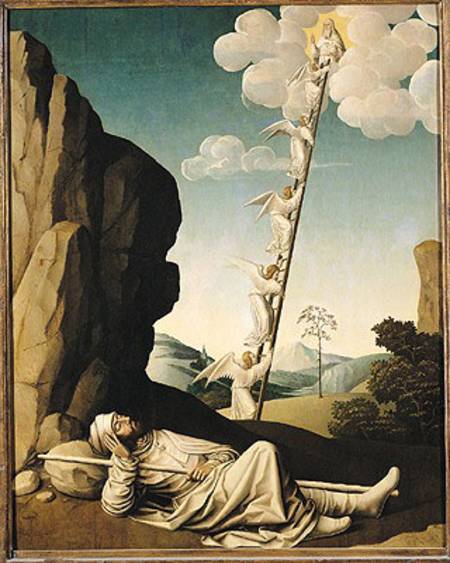
When life thrusts uncertainties at us, we often grasp for a sense of being connected to someone or something. We search for ways to recreate the sense of safety and certainty, either consciously or not. This idea of looking for refocusing on how faith and belief might be a place of safety is exemplified in one of the famous biblical stories, Jacob’s dream in which he envisions a “Stairway to Heaven.”

After running away from Isaac and Rebecca’s home as a means of self preservation because his twin brother Esau planned to take revenge over the stolen birthright, the Torah finds Jacob having stopped overnight to sleep. On this night, Jacob dreams of a ladder going from the land to heaven. The Torah states:

וַֽיַּחֲלֹ֗ם וְהִנֵּ֤ה סֻלָּם֙ מֻצָּ֣ב אַ֔רְצָה וְרֹאשׁ֖וֹ מַגִּ֣יעַ הַשָּׁמָ֑יְמָה וְהִנֵּה֙ מַלְאֲכֵ֣י אֱלֹהִ֔ים עֹלִ֥ים וְיֹרְדִ֖ים בּֽוֹ׃

He had a dream; a ladder was set on the ground and its top reached to the sky, and angels of God were going up and down on it.

וְהִנֵּ֨ה יְהֹוָ֜ה נִצָּ֣ב עָלָיו֮ וַיֹּאמַר֒ אֲנִ֣י יְהֹוָ֗ה אֱלֹהֵי֙ אַבְרָהָ֣ם אָבִ֔יךָ וֵאלֹהֵ֖י יִצְחָ֑ק הָאָ֗רֶץ אֲשֶׁ֤ר אַתָּה֙ שֹׁכֵ֣ב עָלֶ֔יהָ לְךָ֥ אֶתְּנֶ֖נָּה וּלְזַרְעֶֽךָ׃

And the LORD was standing beside him and He said, “I am the LORD, the God of your father Abraham and the God of Isaac: the ground on which you are lying I will assign to you and to your offspring.

וְהָיָ֤ה זַרְעֲךָ֙ כַּעֲפַ֣ר הָאָ֔רֶץ וּפָרַצְתָּ֛ יָ֥מָּה וָקֵ֖דְמָה וְצָפֹ֣נָה וָנֶ֑גְבָּה וְנִבְרְכ֥וּ בְךָ֛ כל־מִשְׁפְּחֹ֥ת הָאֲדָמָ֖ה וּבְזַרְעֶֽךָ׃

Your descendants shall be as the dust of the earth; you shall spread out to the west and to the east, to the north and to the south. All the families of the earth shall bless themselves by you and your descendants.

וְהִנֵּ֨ה אָנֹכִ֜י עִמָּ֗ךְ וּשְׁמַרְתִּ֙יךָ֙ בְּכֹ֣ל אֲשֶׁר־תֵּלֵ֔ךְ וַהֲשִׁ֣בֹתִ֔יךָ אֶל־הָאֲדָמָ֖ה הַזֹּ֑את כִּ֚י לֹ֣א אֶֽעֱזָבְךָ֔ עַ֚ד אֲשֶׁ֣ר אִם־עָשִׂ֔יתִי אֵ֥ת אֲשֶׁר־דִּבַּ֖רְתִּי לָֽךְ׃

Remember, I am with you: I will protect you wherever you go and will bring you back to this land. I will not leave you until I have done what I have promised you.”

Genesis 28:12-16

Jacob dreams/receives a prophetic message that Gd will be with him and protect him throughout his journey until such time as he returns to the land of Canaan. For Jacob, this reassurance is key to his ability to withstand the trials and tribulations he will come to face during his sojourn. Yet, Jacob maintains uncertain, for a few verses later, as Jacob takes leave of this seemingly holy place, the Torah states:

וַיִּדַּ֥ר יַעֲקֹ֖ב נֶ֣דֶר לֵאמֹ֑ר אִם־יִהְיֶ֨ה אֱלֹהִ֜ים עִמָּדִ֗י וּשְׁמָרַ֙נִי֙ בַּדֶּ֤רֶךְ הַזֶּה֙ אֲשֶׁ֣ר אָנֹכִ֣י הוֹלֵ֔ךְ וְנָֽתַן־לִ֥י לֶ֛חֶם לֶאֱכֹ֖ל וּבֶ֥גֶד לִלְבֹּֽשׁ׃

Jacob then made a vow, saying, “If God remains with me, if He protects me on this journey that I am making, and gives me bread to eat and clothing to wear,

וְשַׁבְתִּ֥י בְשָׁל֖וֹם אֶל־בֵּ֣ית אָבִ֑י וְהָיָ֧ה יְהֹוָ֛ה לִ֖י לֵאלֹהִֽים׃

and if I return safe to my father’s house—the LORD shall be my God.

וְהָאֶ֣בֶן הַזֹּ֗את אֲשֶׁר־שַׂ֙מְתִּי֙ מַצֵּבָ֔ה יִהְיֶ֖ה בֵּ֣ית אֱלֹהִ֑ים וְכֹל֙ אֲשֶׁ֣ר תִּתֶּן־לִ֔י עַשֵּׂ֖ר אֲעַשְּׂרֶ֥נּוּ לָֽךְ׃

And this stone, which I have set up as a pillar, shall be God’s abode; and of all that You give me, I will set aside a tithe for You.”

Genesis 28:20-22

This latter scene suggests that Jacob was not one hundred percent convinced that Gd would fulfill his promise from the dream, so Jacobs offers the vow that he would provide a percentage of his hoped for accumulated wealth to Gd as a tribute for protection. Why would Jacob not believe wholeheartedly in Gd’s promise? I would suggest that Jacob’s uncertainty is not from a lack of faith but rather from an innate sense of abandonment that he feeling on this night. This is depicted in the first image of the dream, in which the “angels of Gd” ascend and then descend from the ladder. If we consider the image we would expect to see, the angels should have descending first and only then ascending. Yet, the verse flips the actions, leading to the following comment from Rashi:

עלים וירדים ASCENDING AND DESCENDING — It states first ascending and afterwards descending! Those angels who accompanied him in the land of Israel were not permitted to leave the Land: they ascended to Heaven and angels which were to minister outside the Land descended to accompany him (Genesis Rabbah 68:12).

As we know, dreams, even in the prophetic sense that is attributed to them throughout the Bible, contain many images that illustrate our unconscious or conscious concerns. For Jacob, the angels were his protectors, his internal sense of not being alone, which his subconscious highlighted in his vision. While Jacob does have a destination, his uncle’s home and a mission to marry his uncle’s daughter, he is presumably filled with feelings of abandonment and uncertainty about the future. As such, he dreams of angels first ascending, for deep down he knows he is never alone. Furthermore, the entire dream focuses on Gd being with him throughout his journey. The angels represent that Jacob can rest assured that he is not being abandoned at any point.

Regarding his vow after the dreams, the vow speaks to Jacob’s conscious sense of uncertainty. A dream is a dream and even one of a “prophetic” nature can leave someone with doubts. Jacob’s vow/covenant to Gd is a way for Jacob to accept that dream and change his mindset. No longer will he allow himself to be worried about the uncertainties that lie ahead. He knows he will be able to handle them because of Gd’s “promise” and his offer as a means of submission to this new perspective.

Jacob’s vision and response is a powerful example of the challenge we all face when starting on a new journey. Deep down we know there is risk any time we venture into something new. Doubts exist. Yet, if we allow the doubts to overtake us, we will never be able to take the first step. When we acknowledge the doubts and take control of them, recognizing the doubts are part of the journey, not the barrier, we will be able to move forward and find our new beginning.

May we find the ability to change our mindset as we work towards achieving our growth potential and our wishes.

The journey into darkness and light

from darkness into light

Over Shabbat I read the following analogy that I believe speaks to the idea of a New Beginning:

When a person is traveling away from his town, his path becomes darker and darker, because the lights of the town are further and further away. But the closer he gets to ending his journey, the closer he is to finding the next town, he begins to see the lights of the town even before he gets there. The lights of the coming town begin to light up his path, even though he is not yet there yet.

When we head out on a new road, we leave behind what we knew. The knowledge of the past fades like the lights of the town as we keep traveling on the road. The road in front of us is scary as we can’t see what is ahead. Yet, as we move along the path, we are also coming closer to a new destination. As we come closer, the “end,” which is the new start, becomes clearer and clearer.

Each day, as we journey forward, we are confronted with this constant going from known to unknown to known again. If we can be mindful that the journey will lead us to a new knowledge, a new “light” we can travel forward with confidence, facing any obstacles along the way because we know the way will be illuminated for us.

May each of you travel your road to a new beginning with the knowledge that it might look dark along the way but really it is a clear path when you reach the next stop along your journey.