
Why Is It So Difficult to Share My Thoughts?

I woke up this morning thinking about all the ideas I want to share. And then I came to this page, ready to go and… NOTHING. I suddenly found myself tongue-tied, or maybe it is writer’s block, but either way, I found myself staring at a blank screen. Eventually, I decided to just start writing to see what would happen, so this is my journey at the moment.

Yesterday, I came across a quote,

“Life Gets Better When You Decide You Can Reinvent Yourself as Often as You Need.”

LinkedIn

Life is funny. One moment we think we have it all figured out. We know what we want to say or do, and the next, when we try to actualize what it is we have figured out, we hit a wall. And the wall is the block we have for treating Today as a new opportunity. We know we want to. We know we perhaps even need a refresh. And yet, when we try to hit the refresh button, we just can’t seem to do it.

When we are working towards today being a New Beginning, we are in essence trying to enter the road of life from a new entrance. We have the opportunity to do so. From the moment we wake up, we have choices to make. These choices are not easy.

  1. Should I stay in bed for five more minutes or get up?
  2. Should I start my day doomscrolling or wait to look at my phone?
  3. Learn or write?
  4. Exercise or not?
  5. Etc – choose your own morning struggles

We all know what we wish the answers to these kinds of questions are. And yet, we find ourselves tired, worn down, beaten up, just plain exhausted. So we inevitably fall back on the habits we wish we could change because they are comfortable and easy, even though they aren’t the best choices we could be making.

And this is Why It Is So Difficult. Even now, as I am sitting and sharing, thinking about how it is a daily grind to break the habits we have when we want to improve ourselves, I find my mind drifting to all the things I need to do or should be doing instead of writing. Of course, this in itself is part of the writer’s block struggle I am having. Nevertheless, the other voice in my mind is reminding me about how this action, this choice, is important because I want it to be important.

What can we do when we feel that the daily reinvention we wish we could facilitate just doesn’t seem to be in the cards?

  1. Choose one thing to change and work on that and that alone.
  2. Start with just a small chunk of time to focus on the change. It could be as short as a minute of focused gratitude, or a minute of doing something instead of more social media scrolling.
  3. Make this small thing the habit to work on for a week (a week seems like an interval many use for small habitual changes).
  4. Build week over week. If we keep at one new thing a week to help reinvent ourselves, we will eventually see bigger growth, bigger changes.
  5. When you despair that the change is not working well, don’t fret. As I have shared many times on this site, each step forward is one to celebrate. We need to focus on the wins, not the things we inevitably will continue to struggle with.

Let me conclude. This writing exercise this morning is my attempt to show myself this process as well. I really wasn’t sure where my thoughts would take me this morning but here we are. We have journeyed together today to see how just trying to do can produce something.

May each of us in these challenging times remember that all we need to do is take that first step forward along the path we wish to forge. May today, and everyday, bring opportunity for reinvention and for renewed possibilities.

If you or someone you know is struggling, spiritually and/or emotionally, trying to find a sense of meaning in these times of struggle, know that you are not alone. Contact New Beginnings Spiritual Coaching and Consulting LLC at 732-314-6758 ext. 100 or via email at newbeginningsspiritualcoach@gmail.com
How many drafts does it take

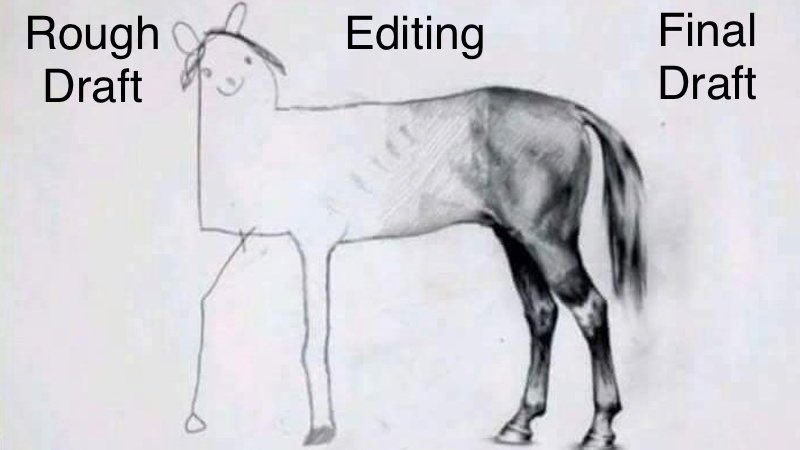
I have been finding a lot of self-reflective material when considering aspects of writing. In writing, like life, it is almost impossible to create the perfect piece in a single sitting. Just like it is important to remember that all goals are made up of a series of single steps, one foot after the other, so too writing is a process of putting one word on paper at a time, in which eventually the string of words becomes a cohesive unit. Along the way, there will be updates to the unit of writing, whether because of a misspelled word, a missing punctuation mark, or information that is lacking because we forget to convey to the reader precisely what we are thinking. Or, perhaps you think it is good, post it on a website, and then get a copy-editor’s eye to read it and circle in yellow the errors in the piece (which luckily is easily fixable in wordpress).

Serious writing is a series of rough drafts, when in a way even the final draft remains an incomplete, imperfect product. Yet, for those of us who persist in writing, the rough draft, the initial go, is often as valuable if not more valuable than the “final product.” The rough draft is the opportunity to try and fail in the craft of formulating an idea. The rough draft is the proof you need to know you have taken the hard first step of engaging in the writing process.

The rough draft is a great metaphor when we consider self-introspection and change. Most of us are searching for do-overs, the opportunity to change what was, whether by scrapping something and moving away from the past or from veering slightly to the right of left to a different turn that we believe will lead us in the direction we really want to go. Like with writing, when we cross out and change words, life gives us countless opportunities to adjust to the moment, to the times by changing, rearranging or erasing elements of our before so as to make the step forward towards a new start.

I came to this thought this afternoon as I was scrolling through a list of some of the blog posts which I have either not completed or have pretty much decided to leave in the draft folder because they don’t resonate for me at this point. Many of the drafts were like the dipping of a toe into a topic and realizing the water was not ready yet or perhaps might never be. The draft folder contains the tried and failed so as to then try again and succeed with any number of other posts.

Every Elul as well as every other demarcation point in one’s year, when we reflect and desire to explore unknown elements of the path going forward, we are reminding ourselves that we remain a “rough” draft in need to further polishing. The polishing can take multiple reads, multiples steps and missteps along the way. We can and do go through many drafts of our lives. The goal is fostering and maintaining the hope that each time we reread and edit, we are succeeding by seeing the incremental and/or monumental improvement over the previous version.

May this be a time of year when we can all look inside and make the necessary edits to improve on the rough drafts we have crafted up until now.

Need help scouring and editing the Rough Drafts of your life: Contact New Beginnings Spiritual Coaching and Consulting LLC at 732-314-6758 ext. 100 or via email at newbeginningsspiritualcoach@gmail.com.

Chaos is the First Blueprint of Creativity

Genesis begins with God creating the world, heaven and earth, with everything being in a state of chaos.

בְּרֵאשִׁ֖ית בָּרָ֣א אֱלֹהִ֑ים אֵ֥ת הַשָּׁמַ֖יִם וְאֵ֥ת הָאָֽרֶץ׃

When God began to create heaven and earth—

וְהָאָ֗רֶץ הָיְתָ֥ה תֹ֙הוּ֙ וָבֹ֔הוּ וְחֹ֖שֶׁךְ עַל־פְּנֵ֣י תְה֑וֹם וְר֣וּחַ אֱלֹהִ֔ים מְרַחֶ֖פֶת עַל־פְּנֵ֥י הַמָּֽיִם׃

the earth being unformed and void, with darkness over the surface of the deep and a wind from God sweeping over the water—

Genesis 1:1-2

Many different ideas have been learned and extrapolated from these first two verses alone. I would like to offer another thought, one which has been sitting in my heart for some days. It was inspired by a quote fromfrom Torah Studies, an adaptation of lessons delivered by Rabbi Menachem Mendel Schneerson o.b.m. presented by Rabbi Lord Jonathan Sacks o.b.m. (from his days before being Chief Rabbi of Great Britain). (I originally received this book as a Bar Mitzvah gift many years ago and have recently begun reading parts of it again).

The essay on Genesis reflects upon:

In the chronicling of creation, one detail strikes us with the force of mystery: Why was light created before everything else, when there was nothing to benefit from it? The Rabbinical explanation only adds to the mystery, for we are told that the light was immediately “hidden for the righteous in the world to come.” The Rebbe explains the difficulty and elucidates the implications of the creation narrative for the individual and the conduct of his life.

https://www.chabad.org/therebbe/article_cdo/aid/110297/jewish/Torah-Studies-Bereishit.htm

As part of this analysis, R. Schneerson presents a piece regarding a rabbinic idea that when Gd created the world, Gd “looked” into the Torah as if the Torah was the blueprint of the world. In R. Schneerson’s words (as presented by R. Sacks):

To resolve these difficulties we must consider a remark made by the Midrash: “Just as a king wishing to build a palace does not do so spontaneously but consults architect’s plans, so G‑d looked into the Torah and created the world.”

In other words, by examining the order in which a man sets about making something which requires planning and forethought, we can learn something of G‑d’s order in bringing the world into being.

https://www.chabad.org/therebbe/article_cdo/aid/110297/jewish/Torah-Studies-Bereishit.htm

Or, more precisely, the Midrash states:

דָּבָר אַחֵר אָמוֹן, אֻמָּן. הַתּוֹרָה אוֹמֶרֶת אֲנִי הָיִיתִי כְּלִי אֻמְנוּתוֹ שֶׁל הַקָּדוֹשׁ בָּרוּךְ הוּא, בְּנֹהַג שֶׁבָּעוֹלָם מֶלֶךְ בָּשָׂר וָדָם בּוֹנֶה פָּלָטִין, אֵינוֹ בּוֹנֶה אוֹתָהּ מִדַּעַת עַצְמוֹ אֶלָּא מִדַּעַת אֻמָּן, וְהָאֻמָּן אֵינוֹ בּוֹנֶה אוֹתָהּ מִדַּעַת עַצְמוֹ אֶלָּא דִּפְתְּרָאוֹת וּפִנְקְסָאוֹת יֵשׁ לוֹ, לָדַעַת הֵיאךְ הוּא עוֹשֶׂה חֲדָרִים, הֵיאךְ הוּא עוֹשֶׂה פִּשְׁפְּשִׁין. כָּךְ הָיָה הַקָּדוֹשׁ בָּרוּךְ הוּא מַבִּיט בַּתּוֹרָה וּבוֹרֵא אֶת הָעוֹלָם, וְהַתּוֹרָה אָמְרָה בְּרֵאשִׁית בָּרָא אֱלֹהִים. וְאֵין רֵאשִׁית אֶלָּא תּוֹרָה, הֵיאַךְ מָה דְּאַתְּ אָמַר (משלי ח, כב): ה’ קָנָנִי רֵאשִׁית דַּרְכּוֹ.

Alternatively, amon means “artisan.” The Torah is saying, “I was the artisan’s tool of Hashem.” In the way of the world, a king of flesh and blood who builds a castle does not do so from his own knowledge, but rather from the knowledge of an architect, and the architect does not build it from his own knowledge, but rather he has scrolls and books in order to know how to make rooms and doorways. So too Hashem gazed into the Torah and created the world. Similarly the Torah says, “Through the reishis Hashem created [the heavens and the earth],” and reishis means Torah, as in “Hashem made me [the Torah] the beginning (reishis) of His way” (Mishlei 8:22).

Genesis Rabbah 1:1

In reading this piece, I was struck with an alternative question to the one that drives the essay. I was wondering, if Gd had used the Torah as a blueprint, how does that jive with the notion of chaos, unformed and void, that we read about in the second verse of the Torah? When a person has a blueprint, while the outcomes might not be known, the picture presented should be clear enough to have some form and substance.

In reflecting on this, I realized that the answer was sitting in from of me. Any creative act we have has multiple blueprints throughout the process. As someone who enjoys writing and tries to present ideas in the word form, this resonated for me in the following manner.

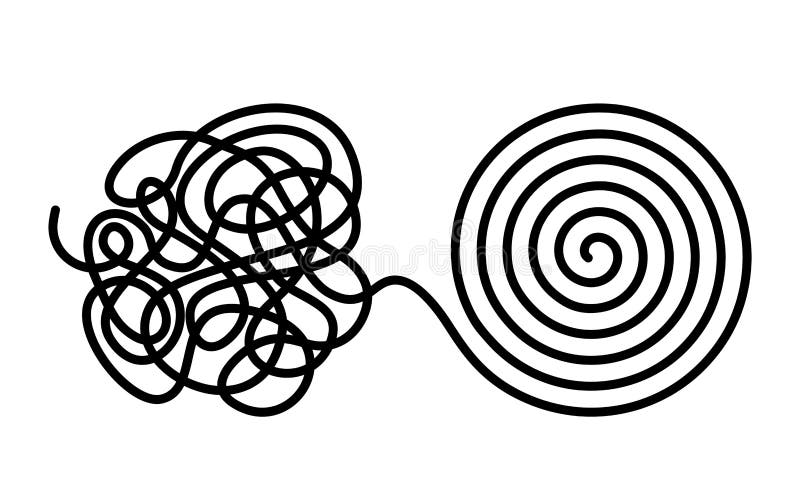
The initial idea for something is a jumble of thoughts in my head with some fundamental connector between the ideas. Often this chaos is so distorted that the words don’t even begin to flow. As I continue to write and reflect, the idea becomes clearer in my conscious. It then begins to take shape into a new blueprint, but even that blueprint is not the complete product. Rather it is a more orderly picture of what message to convey and how to convey it. This continues on and on until the product is “complete.”

The story of Genesis reflects this same creative process to us. Gd has a blueprint. Gd “creates” heaven and earth. The picture becomes clearer but is still chaos. Then Gd begins to place things in a certain order, starting with “light” and concluding with rest (the Sabbath. Rest, the cessation from creation, is the real last created thing described, not the human being, a topic unto itself).

All new beginnings start from an idea, a blueprint, but often a blueprint that is chaos by its nature. In order to achieve, we have to work and work to improve and hone the blueprint to something that is orderly and clear.