Ascending and Descending Messengers

When life thrusts uncertainties at us, we often grasp for a sense of being connected to someone or something. We search for ways to recreate the sense of safety and certainty, either consciously or not. This idea of looking for refocusing on how faith and belief might be a place of safety is exemplified in one of the famous biblical stories, Jacob’s dream in which he envisions a “Stairway to Heaven.”
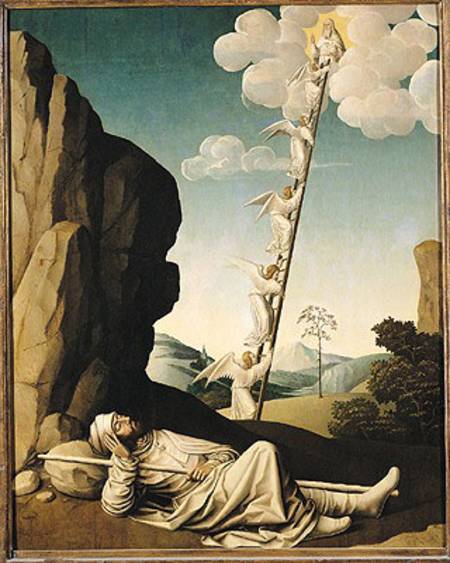
After running away from Isaac and Rebecca’s home as a means of self preservation because his twin brother Esau planned to take revenge over the stolen birthright, the Torah finds Jacob having stopped overnight to sleep. On this night, Jacob dreams of a ladder going from the land to heaven. The Torah states:

וַֽיַּחֲלֹ֗ם וְהִנֵּ֤ה סֻלָּם֙ מֻצָּ֣ב אַ֔רְצָה וְרֹאשׁ֖וֹ מַגִּ֣יעַ הַשָּׁמָ֑יְמָה וְהִנֵּה֙ מַלְאֲכֵ֣י אֱלֹהִ֔ים עֹלִ֥ים וְיֹרְדִ֖ים בּֽוֹ׃

He had a dream; a ladder was set on the ground and its top reached to the sky, and angels of God were going up and down on it.

וְהִנֵּ֨ה יְהֹוָ֜ה נִצָּ֣ב עָלָיו֮ וַיֹּאמַר֒ אֲנִ֣י יְהֹוָ֗ה אֱלֹהֵי֙ אַבְרָהָ֣ם אָבִ֔יךָ וֵאלֹהֵ֖י יִצְחָ֑ק הָאָ֗רֶץ אֲשֶׁ֤ר אַתָּה֙ שֹׁכֵ֣ב עָלֶ֔יהָ לְךָ֥ אֶתְּנֶ֖נָּה וּלְזַרְעֶֽךָ׃

And the LORD was standing beside him and He said, “I am the LORD, the God of your father Abraham and the God of Isaac: the ground on which you are lying I will assign to you and to your offspring.

וְהָיָ֤ה זַרְעֲךָ֙ כַּעֲפַ֣ר הָאָ֔רֶץ וּפָרַצְתָּ֛ יָ֥מָּה וָקֵ֖דְמָה וְצָפֹ֣נָה וָנֶ֑גְבָּה וְנִבְרְכ֥וּ בְךָ֛ כל־מִשְׁפְּחֹ֥ת הָאֲדָמָ֖ה וּבְזַרְעֶֽךָ׃

Your descendants shall be as the dust of the earth; you shall spread out to the west and to the east, to the north and to the south. All the families of the earth shall bless themselves by you and your descendants.

וְהִנֵּ֨ה אָנֹכִ֜י עִמָּ֗ךְ וּשְׁמַרְתִּ֙יךָ֙ בְּכֹ֣ל אֲשֶׁר־תֵּלֵ֔ךְ וַהֲשִׁ֣בֹתִ֔יךָ אֶל־הָאֲדָמָ֖ה הַזֹּ֑את כִּ֚י לֹ֣א אֶֽעֱזָבְךָ֔ עַ֚ד אֲשֶׁ֣ר אִם־עָשִׂ֔יתִי אֵ֥ת אֲשֶׁר־דִּבַּ֖רְתִּי לָֽךְ׃

Remember, I am with you: I will protect you wherever you go and will bring you back to this land. I will not leave you until I have done what I have promised you.”

Genesis 28:12-16

Jacob dreams/receives a prophetic message that Gd will be with him and protect him throughout his journey until such time as he returns to the land of Canaan. For Jacob, this reassurance is key to his ability to withstand the trials and tribulations he will come to face during his sojourn. Yet, Jacob maintains uncertain, for a few verses later, as Jacob takes leave of this seemingly holy place, the Torah states:

וַיִּדַּ֥ר יַעֲקֹ֖ב נֶ֣דֶר לֵאמֹ֑ר אִם־יִהְיֶ֨ה אֱלֹהִ֜ים עִמָּדִ֗י וּשְׁמָרַ֙נִי֙ בַּדֶּ֤רֶךְ הַזֶּה֙ אֲשֶׁ֣ר אָנֹכִ֣י הוֹלֵ֔ךְ וְנָֽתַן־לִ֥י לֶ֛חֶם לֶאֱכֹ֖ל וּבֶ֥גֶד לִלְבֹּֽשׁ׃

Jacob then made a vow, saying, “If God remains with me, if He protects me on this journey that I am making, and gives me bread to eat and clothing to wear,

וְשַׁבְתִּ֥י בְשָׁל֖וֹם אֶל־בֵּ֣ית אָבִ֑י וְהָיָ֧ה יְהֹוָ֛ה לִ֖י לֵאלֹהִֽים׃

and if I return safe to my father’s house—the LORD shall be my God.

וְהָאֶ֣בֶן הַזֹּ֗את אֲשֶׁר־שַׂ֙מְתִּי֙ מַצֵּבָ֔ה יִהְיֶ֖ה בֵּ֣ית אֱלֹהִ֑ים וְכֹל֙ אֲשֶׁ֣ר תִּתֶּן־לִ֔י עַשֵּׂ֖ר אֲעַשְּׂרֶ֥נּוּ לָֽךְ׃

And this stone, which I have set up as a pillar, shall be God’s abode; and of all that You give me, I will set aside a tithe for You.”

Genesis 28:20-22

This latter scene suggests that Jacob was not one hundred percent convinced that Gd would fulfill his promise from the dream, so Jacobs offers the vow that he would provide a percentage of his hoped for accumulated wealth to Gd as a tribute for protection. Why would Jacob not believe wholeheartedly in Gd’s promise? I would suggest that Jacob’s uncertainty is not from a lack of faith but rather from an innate sense of abandonment that he feeling on this night. This is depicted in the first image of the dream, in which the “angels of Gd” ascend and then descend from the ladder. If we consider the image we would expect to see, the angels should have descending first and only then ascending. Yet, the verse flips the actions, leading to the following comment from Rashi:

עלים וירדים ASCENDING AND DESCENDING — It states first ascending and afterwards descending! Those angels who accompanied him in the land of Israel were not permitted to leave the Land: they ascended to Heaven and angels which were to minister outside the Land descended to accompany him (Genesis Rabbah 68:12).

As we know, dreams, even in the prophetic sense that is attributed to them throughout the Bible, contain many images that illustrate our unconscious or conscious concerns. For Jacob, the angels were his protectors, his internal sense of not being alone, which his subconscious highlighted in his vision. While Jacob does have a destination, his uncle’s home and a mission to marry his uncle’s daughter, he is presumably filled with feelings of abandonment and uncertainty about the future. As such, he dreams of angels first ascending, for deep down he knows he is never alone. Furthermore, the entire dream focuses on Gd being with him throughout his journey. The angels represent that Jacob can rest assured that he is not being abandoned at any point.

Regarding his vow after the dreams, the vow speaks to Jacob’s conscious sense of uncertainty. A dream is a dream and even one of a “prophetic” nature can leave someone with doubts. Jacob’s vow/covenant to Gd is a way for Jacob to accept that dream and change his mindset. No longer will he allow himself to be worried about the uncertainties that lie ahead. He knows he will be able to handle them because of Gd’s “promise” and his offer as a means of submission to this new perspective.

Jacob’s vision and response is a powerful example of the challenge we all face when starting on a new journey. Deep down we know there is risk any time we venture into something new. Doubts exist. Yet, if we allow the doubts to overtake us, we will never be able to take the first step. When we acknowledge the doubts and take control of them, recognizing the doubts are part of the journey, not the barrier, we will be able to move forward and find our new beginning.

May we find the ability to change our mindset as we work towards achieving our growth potential and our wishes.

Multigenerational Change?

Bible scholars throughout the generations recognized that the story of Isaac, (Genesis 25:19 – 28:9), is parallel in many ways to his father Abraham’s story (Genesis 12-25:18). There are some who suggest Isaac faces similar challenges as a means of rectifying and improving on the decisions of his father. Sometimes he succeeds and sometimes he fails. For an example of a lengthier, story by story analysis of this, see The Differences Between Avraham and Yitzchak by Rav Amnon Bazak.

In reflecting on the overall message of these parallel stories, I found myself reflecting on one of the challenges of change. In a previous post, Facing Yom Kippur Alone?, I reflected on how change is such a challenging undertaking that we incorporate all who have come before us to help guide and motivate our desire to change. This comes about by recognizing our imperfections.

As I have been reviewing the story of Isaac, I came to realize another element of change, the idea that many of our “desired” changes are driven by belief that we need to better the true and perceived mistakes of our parents/ancestors. While this is a noble effort, it can also be full of many pitfalls. When our only goal is to avoid making the same mistake, we are more likely to make that or a different mistake. For example, in the story of Isaac and family fleeing to the Philistine land due to a famine, Isaac, like his father, begins his sojourn in this land by claiming that his wife, Rebecca is his sister, not his wife. Abraham did this twice with Sarah, both in Egypt and in the land of the Philistines. Both times Abraham’s ruse was found out. Particularly striking is the reason Abraham gives to Avimelekh, king of the Philistines upon being found out:

וַיֹּ֙אמֶר֙ אַבְרָהָ֔ם כִּ֣י אָמַ֗רְתִּי רַ֚ק אֵין־יִרְאַ֣ת אֱלֹהִ֔ים בַּמָּק֖וֹם הַזֶּ֑ה וַהֲרָג֖וּנִי עַל־דְּבַ֥ר אִשְׁתִּֽי׃

“I thought,” said Abraham, “surely there is no fear of God in this place, and they will kill me because of my wife.

Genesis 20:11

Abraham expresses fear for his life. When Isaac finds himself in a similar situation a generation later, the Torah indicates Isaac’s reasoning and then shows how things worked out until Isaac was “caught:”

וַֽיִּשְׁאֲל֞וּ אַנְשֵׁ֤י הַמָּקוֹם֙ לְאִשְׁתּ֔וֹ וַיֹּ֖אמֶר אֲחֹ֣תִי הִ֑וא כִּ֤י יָרֵא֙ לֵאמֹ֣ר אִשְׁתִּ֔י פֶּן־יַֽהַרְגֻ֜נִי אַנְשֵׁ֤י הַמָּקוֹם֙ עַל־רִבְקָ֔ה כִּֽי־טוֹבַ֥ת מַרְאֶ֖ה הִֽוא׃

When the men of the place asked him about his wife, he said, “She is my sister,” for he was afraid to say “my wife,” thinking, “The men of the place might kill me on account of Rebekah, for she is beautiful.”

וַיְהִ֗י כִּ֣י אָֽרְכוּ־ל֥וֹ שָׁם֙ הַיָּמִ֔ים וַיַּשְׁקֵ֗ף אֲבִימֶ֙לֶךְ֙ מֶ֣לֶךְ פְּלִשְׁתִּ֔ים בְּעַ֖ד הַֽחַלּ֑וֹן וַיַּ֗רְא וְהִנֵּ֤ה יִצְחָק֙ מְצַחֵ֔ק אֵ֖ת רִבְקָ֥ה אִשְׁתּֽוֹ׃

When some time had passed, Abimelech king of the Philistines, looking out of the window, saw Isaac fondling his wife Rebekah.

Genesis 26:7-8

One can imagine the following scenario: Isaac heard about the times his parents fled due to famine and perhaps even the stories about Abraham trying to pass Sarah off as his sister, and why. As such, when Isaac is faced with a similar situation, he figures he needs to be careful as well, but also calculates that since he knows what happened before, he can put extra precautions in place to avoid anything going wrong. And it worked. It worked so well that time passed and he let his guard down, leading to the revelation of Isaac and Rebecca’s true relationship. Change can be the avoidance of the errors of the past but often as time passes, we too let our guard down and the change we have been striving to maintain falls away because we get complacent or frustrated. This can be a sign that the change was not due to a deep yearning to begin anew but a more surface level need for change for some outside reason.

When embarking on a new beginning, the examination of one’s motivations can be crucial to the process and the extent that the change will have a long lasting effect. We strive to learn the lessons of the past, the lessons of our own mistakes and the mistakes of parents, etc. We strive to correct and improve our lives by implementing the lessons learned in our actions. From the parallel stories of Abraham and Isaac, we can see how sometimes we will succeed in changing the narrative and sometimes we will also fall short. It is our mission to uncover the motivations behind our choices, to work to embed our desire for change in our heart to help increase the likelihood of continued successful steps forward. Change is a constant and each incremental step is a victory unto itself. Through the work of uncovering motivation, it is my hope that each of us will find the growth and change we truly wish for, building on the past and paving the road for the future.

“And Abraham eulogized and cried”

Genesis 23, the first chapter of this week’s Torah portion, focuses on the death and burial of Sarah. In describing Abraham’s response to Sarah’s death, the Torah states:

וַתָּ֣מת שָׂרָ֗ה בְּקִרְיַ֥ת אַרְבַּ֛ע הִ֥וא חֶבְר֖וֹן בְּאֶ֣רֶץ כְּנָ֑עַן וַיָּבֹא֙ אַבְרָהָ֔ם לִסְפֹּ֥ד לְשָׂרָ֖ה וְלִבְכֹּתָֽהּ׃

Sarah died in Kiriath-arba—now Hebron—in the land of Canaan; and Abraham proceeded to mourn (eulogize) for Sarah and to bewail (cry for) her.

Genesis 23:2

In considering the way most people experience the death of a loved one and the subsequent grief, the order of Abraham’s actions, eulogizing first and only then crying is the opposite of how we presume most respond to death. And in Abraham’s case, it is even more anomalous in that he only proceeds to funeral planning and burial after the eulogizing and crying. We picture or experience a person crying, planning and finally eulogizing and beginning the process of integrating the death into one’s life. While some elements of this description fit a certain order and process of death and funeral rituals of the ancient world, when we reflect on our current understandings of grief and loss, we can find a different way to understand the internal goings on of Abraham.

To illustrate this point, I am reminded of a story from one of the bereavement groups I ran. A member of the group came and shared how since her spouse passed away, which was about 8 months prior to her attending the group, she finds that she has been unable to cry for him. While for most, emotional numbness is an initial response to death, this inability to cry was weighing heavily on her. Through the reflections of the group, we offered that the crying would come when it was meant to come. Within a couple of sessions, she returned and reported that one particular evening she sat down and the tears just started flowing. This crying was the cathartic experience she needed to relieve the multiple burdens she had felt in her inability to cry.

There is no roadmap for grieving. Yes, religions have rituals that act as roadmaps through the process. And yes, those roadmaps can and often do provide elements of comfort and integration. Yet, for so many people, grieving and mourning is an ongoing part of one’s life that cannot be limited to the ritual times as prescribed. Grieving and mourning is like a wave of ups and downs, with the hope that the waves over time become less like tsunamis and more like the tranquility of a nice sunny day at the beach.

For Abraham, the death of Sarah was a shock. He was seemingly unprepared. As some do, when the initial shock hits, we go into a focused mode of trying to absorb the death. In his case, Abraham began by working through an intellectual acceptance of her death. This is symbolized by the term eulogize. Through talking about her, remembering her for who she was, it created for him the first step in his grief. It was only when he was able to integrate her loss into his conscious does he cry and then attend to burying her. Similar to the woman in my group, Abraham’s reaction was the reaction Abraham needed in the timing that it needed to happen.

When we make ourselves present to support those going through the challenges of illness and death, let us remember that each person absorbs, integrates and reacts to death differently, depending on a variety of factors. By reflecting on this, we can better be present to people in a non-judgmental, supportive way.