Needing Another Pair of Eyes to See our Lives

Are we really asking and searching for the right things in our lives? Are we able to see in the right direction or do we always feel turned around? Is life feeling so challenging that we lose perspective on our bigger picture dreams and hopes?

Too often, the difficulties and challenges in life can feel so overwhelming that we get lost in the narrow, nitty-gritty details of what is going on and lose sight of the bigger picture. This is understandable, as we hunker down and enter a survival mode state of mind. In these moments, our hopes shrink down to surviving the immediate, short term, often at the expense of longer term considerations. This is normal. This is as one would expect.

In the Passover Haggadah, as part of the Maggid section, we analyze a series of verses from Deuteronomy 26 (5-8) as a way of rereading the Exodus story. One line from that section states:

וַנִּצְעַק אֶל־ה’ אֱלֹהֵי אֲבֹתֵינוּ – כְּמָה שֶּׁנֶּאֱמַר: וַיְהִי בַיָּמִים הָרַבִּים הָהֵם וַיָּמָת מֶלֶךְ מִצְרַיִם, וַיֵּאָנְחוּ בְנֵי־יִשְׂרָאֵל מִ־הָעֲבוֹדָה וַיִּזְעָקוּ, וַתַּעַל שַׁוְעָתָם אֶל־הָאֱלֹהִים מִן הָעֲבֹדָה.

“And we cried out to the Lord, the God of our ancestors” – as it says: (Exodus 2:23); “It happened in the course of those many days that the king of Egypt died; and the Children of Israel groaned from the servitude and cried; their cry because of their servitude rose up to God.”

In their pain and suffering, they cried out to God. According to Artscroll’s Rav Shach Haggadah (for more on who Rav Shach is see here), this passage contains a strange grammatical choice, which Rav Shach expounds upon:

We would have expected the Torah to state, “The Children of Israel groaned because of the servitude.  Why does it write instead that they groaned, “from the servitude?” Rav Shach explained this expression as follows.

Man is often swept up in his routine, and finds himself incapable of rising above it to view life from a different perspective. When the Jews groaned and cried out to God, they did so “from” (out of) their servitude. They were certain that their lives would continue forever in the same miserable state as it was then. They prayed for an amelioration of their condition, but such ideas as total liberation or redemption were totally beyond their mental grasp. That this is so may be seen from the people’s reaction when Moshe first appeared before them and declared his intent to take them out of Egypt: “They did not listen to Moshe, from shortness of spirit” (Shemos 6:9) – i.e., from an inability to break out of their narrow mental mode of servitude and relate to the concepts that Moshe was describing to them.

It is because of this limitation of the human mind that it is so important to seek advice often from others, especially from wise Torah sages, who possess the necessary breadth of mind to look beyond the pressing and sometimes overwhelming issues at hand, and “see the larger picture.”

Rav Shach Haggadah p. 99-100

So many of our choices in life come from within a situation, from within the narrowness of the moment. Again, this is normal and expected. And, it is something that we must take into consideration. Rav Shach’s approach is to recall that we need not struggle alone. We need not think we have to solve the problem by ourselves. Once we are open to the possibility that someone is out there to help us, we can be more receptive to that help. The first step is to be open and willing, to recognize that our perspective in these moments is from within the pain and trauma and that with the help of someone not “within” we can take the next steps along on our journey.

We can and should seek out help from someone who can offer a broader perspective to help us see beyond the narrowness that results from the trauma, pain and difficulty we are looking to emerge from. Remember, just like the image at the top of this post, sometimes we just need help being able to turn around and see something from a different angle.

May each of us, in moments of challenge, be able to find the person or people to turn to who can best help us see things from a different vantage point, helping us to engage with and journey through the difficulties and challenges that we will inevitably face in life.

If you or someone you know is looking to forge ahead and set new goals for the journey of life, we are here to help foster spiritual and emotional growth and change. Schedule your appointment today here. For more information, please contact New Beginnings Spiritual Coaching and Consulting LLC at 732-314-6758 ext. 100 or via email at newbeginningsspiritualcoach@gmail.com

Audacity in Prayer During the High Holidays

Imagine, or maybe just remember, what it was like to turn to a parent and say, “it’s really your fault I am the way I am.” While we all might feel this way at one point or another, it is one thing to think it and another to voice this feeling aloud. If this is the case with one’s parents, how much more so would this be the case as it relates to our relationship with Gd. And yet, we find countless examples in the Jewish tradition that suggest we can verbally express the blame for our imperfections and troubles back at Gd.

One recent thought I came across expresses this concept from a statement in the work Hayyei Moharan, which describes anecdotes about the life of Rebbe Nachman of Breslov. The idea is a creative reinterpretation of how we understand the use of the plural in Viddui.

It is written in Chayei Moharan (601) in regards to viduy – the confession prayer, that Rebbe Nachman once said to Reb Yudel of Dashiv (a chossid of Rebbe Nachman, who was first, a chossid of Reb Pinchas Koritzer), “tell me something from your Rebbe, the Tzaddik, Reb Pinchos Koritzer.  Reb Yudel responded, “Reb Pinchos once said that we say ashamnu, bagadnu, gazalnu in a plural tense, when really we should be saying it in a singular tense.  However, (the reason [ed.]) we say it plurally is because we are really saying, so to speak, in a way of claim and argument towards Hashem, ashamnu, we have been guilty, that if not for you, Hashem, giving us the energy and ability to sin, we wouldn’t be able to sin.”  

Sea of Wisdom Parshas Nitzavim/VaYeilech 5783 – R. Itche Meir Morgenstern

How do we have the audacity to turn around our imperfections and place some of the blame back on Gd? Well, this idea of Rebbe Nachman’s is not unique to him, but has precedent throughout the Jewish tradition. I found myself reminded of something I shared over a decade ago, which remains highly relevant as we enter Rosh Hashanah, 5784. At the time, I prepared a sermon describing multiple examples of spiritual audacity. See here for the full piece.

As part of this piece, I drafted the following prayer:

Dear G-d.  We are here again standing in your shadow.  We are in your presence.  We are unworthy, because we are full of sin.  But you know what G-d, it’s your fault we sinned.  You are the master of the world.  You created us with good and evil.  You created the evil inclination, the yetzer hara.  Therefore, we are blameless because without that stumbling block, we wouldn’t be in need of judgment each year.

Looking back, I am not sure I was correct in the usage of the phrase, “we are blameless.” If we believe we have the choice to make before each decision, then we are responsible for what we do. Yet, most of us often in life really feel so much about ourselves is not in our control. It wasn’t our fault, it’s someone or something else outside of our control that we can blame. True and… if we are to then find a path for growth and change, we need to be willing to accept responsibility as well.

For this Rosh Hashanah, when we sit down and reflect on the life we have led through 5783 and the life we wish to lead starting 5784, can we both be comfortable to verbalize our feelings that so much of who we are might not be our “faults” and also hold personal responsibility to acknowledge how much we can do to take the steps to forge a new path forward? When we confess to our shortcomings, we are taking the first step. So, speak your real thoughts, pray with abandon just like our ancestors, and simultaneously, examine the barriers holding us back from spiritual growth and plan strategies so we can see a better year in this upcoming year.

May this year be the start of a New Beginning and filled with opportunities for reaching closer to your goals and dreams.

Looking to gain further, broader insight in becoming your more authentic, spiritually focused self? Let me help you along this path! Contact New Beginnings Spiritual Coaching and Consulting LLC at 732-314-6758 ext. 100 or via email at newbeginningsspiritualcoach@gmail.com

Elul Thoughts: Finding Renewed Ways to Connect

As I continue to reflect on my recent trip to Israel, one of the things that always strikes me when I am there is how comfortable I feel in Israel. This has many layers, from religiously and spiritually as well as I get a sense in certain parts of the country that it is like I am home. This makes travelling less fraught with worries and anxieties. And, this does also have a shadow side.

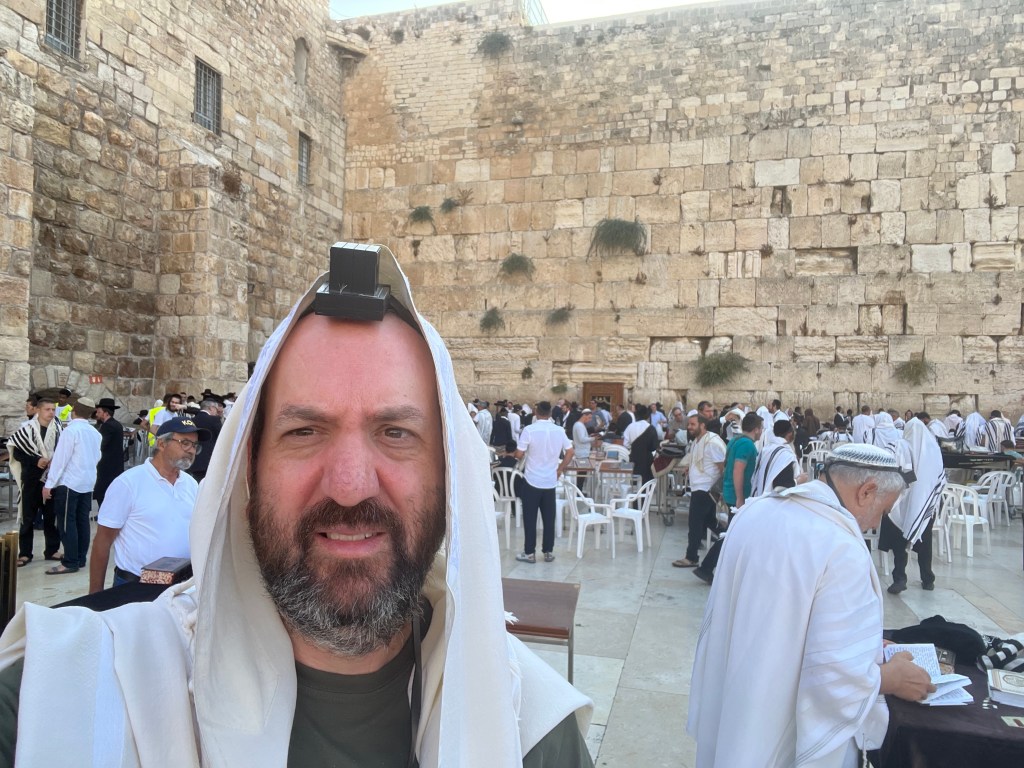
During this trip, as with most of my trips, I find myself drawn to spend time by the Kotel, the Western Wall. It is a place of prayer and pilgrimage. It is a sacred space. And while historically the physical wall itself was merely one of the four sides of the retaining wall for the Temple Mount, the area has become a spiritual focal point and symbol for so much. And yet, sometimes, the mystique seems to disappear.

During this trip, I had two types of experiences. Some of my sojourns to the wall, I was left with something lacking. I couldn’t find my spiritual comfort zone, struggled to pray with much focus, almost finding myself asking what was even the point of making the trek from the apartment I was staying at. It can be difficult to feel inspired when the sacred space seems commercialized and is overflowing with people. Other times, I found that inspiration. This occurred in two ways. When I went on Shabbat afternoon and found the area pretty empty and quiet, I was able to hear my thoughts better. Other times, even in the midst of massive crowds, context can be key. Being there for a Bar Mitzvah and public Selichot, both times when the place is packed, also inspired me because it was the opportunity to experiences new things in a place I know so well.

I am sharing these thoughts because I came across and was reminded of a beautiful concept drawn from a question about Psalm 27. During the month of Elul, it is customary to recite this chapter twice a day. Reading the Psalm, we can see many themes that tie into the High Holidays. One, which I want to explore, emerges from Verse 4.

אַחַ֤ת ׀ שָׁאַ֣לְתִּי מֵֽאֵת־יְהֹוָה֮ אוֹתָ֢הּ אֲבַ֫קֵּ֥שׁ שִׁבְתִּ֣י בְּבֵית־יְ֭הֹוָה כׇּל־יְמֵ֣י חַיַּ֑י לַחֲז֥וֹת בְּנֹעַם־יְ֝הֹוָ֗ה וּלְבַקֵּ֥ר בְּהֵֽיכָלֽוֹ׃

One thing I ask of the LORD, only that do I seek:
that I may dwell in the House of Hashem all the days of my life, to behold the sweetness of Hashem and to contemplate in His Sanctuary.

There is a fundamental question that arises from this passage. How can we ask Gd to both live in Gd’s house forever and also be visitors “contemplating” his temple? Doesn’t this seem contradictory.

Over Shabbat I was reminded of this question from a Parasha printout called Alei Deshe, which shares the Torah thoughts of R. Shaul Alter, Rosh Yeshiva of Gur. He shared:

The answer given to this seeming contradiction is that our request is to reside permanently in Hashem’s house, and yet maintain the freshness and excitement of one who comes only as a visitor. But how is this possible? After all, a person naturally loses enthusiasm for activities that continue for a lengthy period of time.

In order to understand this, we must look at the words preceding the request for visitor-like excitement: לַחֲז֥וֹת בְּנֹעַם־יְ֝הֹוָ֗ה, to behold the sweetness of Hashem. When one feels the pleasure and beauty of sitting in Hashem’s house and serving Him, he will naturally maintain his enthusiasm for it, and will return day after day feeling as if it were his first day there.

Too often in life, finding ourselves in moments that used to drive us, inspire us, excite us, and suddenly it has little to no meaning. The shiny new toy feels like it loses its shine. When this happens, we get frustrated, we try to find something new. For most of us, it is easier to discard and move on to something new. Yet, perhaps the issue isn’t the lost luster but it starts with us. Did we go in with the wrong expectations? Did we presume to find the same inspiration and joy without playing our part in being present and focusing?

In this preparation season for Rosh Hashanah, are we truly listening to the daily shofar sound, to the added prayers, to our stirring souls which are looking to make meaningful changes to our lives. Have we slowed down to see? Or are we merely heading to the place we always head to because that’s just what we do?

Going back to my personal experiences, I found that if once I could remember inspiration comes just as much from what we put in as from what the moment gives me, I was able to feel that sense of enthusiasm of “visiting” instead of the routine feeling of always being present. It required a refocus, a renewed effort and, at least with the late night trek for Selichot, doing something new and different to help refind that spiritual connection I was seeking all along.

May each us, during these last two weeks leading to Rosh Hashanah, find our things that inspire us and find new ways to put in and take out those drops of inspiration so that we may see in ourselves growth and renewal during this upcoming new year.

Looking to gain further, broader insight in becoming your more authentic, spiritually focused self? Let me help you along this path! Contact New Beginnings Spiritual Coaching and Consulting LLC at 732-314-6758 ext. 100 or via email at newbeginningsspiritualcoach@gmail.com
Resting on your Laurels, Or the importance of Shabbat

In exploring for myself and working with others to help foster spiritual growth and change, I stress time and again the notion of seeing every step as a positive gain even in the midst of one’s pain and suffering. Too often we get caught up in not being in our ideal states instead of embracing the road we are travelling and how far we might have already come.

In this week’s Torah portion, Bereishit, Gd provides perhaps the ultimate example of the importance of taking stock along the way. In the creation story, after Gd establishes something, whether it be light, land, animals and yes, even people, the section includes “And Gd saw that it was good (or very good in the case of day 6).” Gd, if you will, pauses after each major moment and sees that it is good even while still needing to do more. At the same time, Gd doesn’t just stop and say, OK, ‘I’ve created enough.’ The moment is good and then Gd continues until nothing is seemingly left to create.

At the end of this creation process, Gd offers us a second clue as the importance of reflection in the designation of a Sabbath day, the day Gd rested (Genesis 2:1-3). In a comment on verse 2:2, Rashi expresses an interesting read of the phrase וַיְכַ֤ל אֱלֹהִים֙ בַּיּ֣וֹם הַשְּׁבִיעִ֔י, On the seventh day God finished the work. He suggests:

דָּ”אַ מֶה הָיָה הָעוֹלָם חָסֵר? מְנוּחָה, בָּאת שַׁבָּת בָּאת מְנוּחָה, כָּלְתָה וְנִגְמְרָה הַמְּלָאכָה:

Another explanation: What did the world lack? Rest! Sabbath came — Rest came; and the work was thus finished and completed (Genesis Rabbah 10:9)!

Rashi highlights the importance that rest plays in our creative nature. Without rest, the world is incomplete!

It is not enough to be creative beings, to be action oriented beings. If all we are doing is doing, then the tasks will never end. If we don’t rest, we don’t see the places we have reached. If we don’t take stock along the way, seeing that it was “good,” then what are we really accomplishing.

I believe this notion of rest as the culmination of creation is extremely important to our spiritual work as well. On the one hand, of course it is important to always strive towards greater heights, never “Resting on your laurels.” At the same time, how can any of us know how far we have come without taking stock of our journeys, our processes. If we don’t stop, pause and rest along the way, we miss out on the solidifying of all we have done.

May each of us be blessed to find the opportunities to truly rest along the path, see where we have come, and have the time to plan what the next step will be.

Looking for support as you take a pause, giving yourself the opportunity to “rest” and reflect: Contact New Beginnings Spiritual Coaching and Consulting LLC at 732-314-6758 ext. 100 or via email at newbeginningsspiritualcoach@gmail.com.

The power of a pause

We are constantly doing. It is hard to stop and reflect. We think that if we stop we won’t progress. If we don’t pause to reflect and to truly listen to our inner voice, so much will be lost.

The book of Leviticus, VaYikra, begins with Gd calling to Moses as an invitation to teach Moses the vast array of laws related to sacrifices. Verse 1:1 states:

וַיִּקְרָ֖א אֶל־מֹשֶׁ֑ה וַיְדַבֵּ֤ר יְהֹוָה֙ אֵלָ֔יו מֵאֹ֥הֶל מוֹעֵ֖ד לֵאמֹֽר׃

Gd called to Moses and spoke to him from the Tent of Meeting, saying:

When Gd is speaking to Moses, the Torah usually says, Gd spoke to Moses, similar to the language in the middle of verse one, after the initial call. As such, the first words, Gd called to Moses, seem superfluous. The great medieval commentator Rashi offers a pedagogical/psychological answer to this seeming redundancy.

ויקרא אל משה AND HE CALLED UNTO MOSES — This implies that the Voice went on and reached his (Moses’s) ears only but all the other Israelites did not hear it). One might think that for the subsections there was also such a call! It, however, states, “[And the Lord called unto Moses] and spake (וידבר) [to him]”, thus intimating that a דבור, a complete section had (was preceded by) a call (e. g., in our text chapters 1—4), but not the subsections. And what purpose did these subsections serve (i. e., why are the larger sections broken up into smaller ones)? To give Moses an interval for reflection between one division and another and between one subject and another — something which is all the more necessary for an ordinary man receiving instruction from an ordinary man (Sifra, Vayikra Dibbura d’Nedavah, Chapter 1 9).

There is a distinction between calling and speaking that hints towards the importance of allowing a lesson to resonate before moving on. In the Torah’s context, the verse is saying: Moses was called to Gd to be taught a series of laws. This call was an overarching invitation to be in the same space. Once Moses enters the space, Gd speaks to him. Yet, Gd doesn’t just teach everything in one breath. Rather, it is broken into different lessons. Via this picture, we can see, as Rashi indicates, the importance of teaching ideas in manageable parts while recognizing that there is an overarching subject. This message is of such importance that Rashi repeats the same idea 10 verses laters, stating:

ואם מן הצאן AND IF [HIS OFFERING BE] OF THE SHEEP — The ו (of אם) adds something to the former subject (i. e. shows that this is a continuation of it). Why, then, is there a break between the two paragraphs (i. e. why does the following form a separate paragraph)? In order to give Moses an interval between the one section and the next section to reflect upon what has already been said (Sifra, Vayikra Dibbura d’Nedavah, Section 5 1).

Rashi Vayikra 1:10

From a literal perspective, the breaks are just breaks. They indicate a change in subject. Breaks are a means of clear, structured writing. Yet, in this comment, we see that a break is more than that. It is a lesson about life. When we want to change, we can’t just do it all at once. We must go step by step and allow the change to time have to percolate. There is as much to learn in the break as there is in the words themselves.

All new beginnings take time and energy because if we do too much too quick, we are more likely to lose all momentum. If we break things down into smaller, subsections, we have a higher chance of success.

Take the first step! Open the door to a new path and begin a process of change. Contact New Beginnings Spiritual Coaching and Consulting LLC at 732-314-6758 ext. 100 or via email at newbeginningsspiritualcoach@gmail.com
Am I Living or Existing?

The inspiration for this piece came from a question posed on a WhatsApp group I am part of with friends from my year of study in Israel over 20 years ago.

Genesis 47:8-9 describes a conversation between Pharaoh and Jacob after Jacob and his family arrive in Egypt.

וַיֹּ֥אמֶר פַּרְעֹ֖ה אֶֽל־יַעֲקֹ֑ב כַּמָּ֕ה יְמֵ֖י שְׁנֵ֥י חַיֶּֽיךָ׃

Pharaoh asked Jacob, “How many are the days of the years of your life?”

וַיֹּ֤אמֶר יַעֲקֹב֙ אֶל־פַּרְעֹ֔ה יְמֵי֙ שְׁנֵ֣י מְגוּרַ֔י שְׁלֹשִׁ֥ים וּמְאַ֖ת שָׁנָ֑ה מְעַ֣ט וְרָעִ֗ים הָיוּ֙ יְמֵי֙ שְׁנֵ֣י חַיַּ֔י וְלֹ֣א הִשִּׂ֗יגוּ אֶת־יְמֵי֙ שְׁנֵי֙ חַיֵּ֣י אֲבֹתַ֔י בִּימֵ֖י מְגוּרֵיהֶֽם׃

And Jacob answered Pharaoh, “The days of the years of my sojourn [on earth] are one hundred and thirty. Few and hard have been the days of the years of my life, nor do they come up to the life spans of my fathers during their sojourns.”

Rabbi Samson Raphael Hirsch suggests that underlying the question and answer posed in these verses is a lesson about how we view our lives. As he states:

“V. 8 – Still today, royalty, whose time naturally is extremely previous at audiences, as a rule just throw out a few short words or enquiries, the replies to which they are in reality entirely indifferent. But it must be rare indeed for a king to have understood to secure more delicacy in a few interrogative words than Pharaoh did here. And even more seldom has the person addressed expressed more wisdom in a short reply, than Jacob did here. When one counts by years, one does not reckon any more the days. It is only with a few select people that each day is full of importance and is considered by them as having a special meaning. A really true human being does not lives years but days…”

After elaborating on the underlying philosophy behind Pharaoh’s question, Rabbi Hirsch presents his take on Jacob’s response:

” V. 9 – In his reply Jacob differentiates between living and existing. ‘You ask after the days of the years of my life. I have not lived much. I have sojourned on earth during one hundred and thirty years. The days of the years that I can really call my life (on which I really fully carried out all that I should) were in reality only few, and they were just the bitterest and those most full of worry…'”

R. Hirsch is suggesting in his in depth analysis of this dialogue a question for each of us to reflect on. Are we living or merely existing? Do we find each day meaningful in some way or is life merely a series of “groundhog” like days? We desire to make an impact, to live meaningful, fulfilling lives.

In fostering a new beginning, a primary goal is to change the direction of the path we have been cultivating because it seems monotonous. We can do this through a variety of means. We can foster our desire to help others, to reconnect to those we care about, to come back to a latent spirituality and creativity that might have been purposefully left dormant for years.

May each of us experience life as daily living and not merely as existence.

If you or someone you know is trying to foster a renewed sense of living life to the fullest, New Beginnings Spiritual Coaching and Consulting LLC is here to help. For more information, please check out: https://achaplainsnewjourney.wordpress.com/about/

Ascending and Descending Messengers

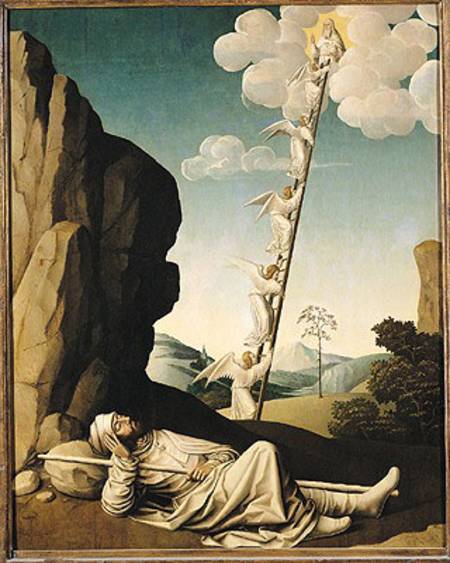
When life thrusts uncertainties at us, we often grasp for a sense of being connected to someone or something. We search for ways to recreate the sense of safety and certainty, either consciously or not. This idea of looking for refocusing on how faith and belief might be a place of safety is exemplified in one of the famous biblical stories, Jacob’s dream in which he envisions a “Stairway to Heaven.”

After running away from Isaac and Rebecca’s home as a means of self preservation because his twin brother Esau planned to take revenge over the stolen birthright, the Torah finds Jacob having stopped overnight to sleep. On this night, Jacob dreams of a ladder going from the land to heaven. The Torah states:

וַֽיַּחֲלֹ֗ם וְהִנֵּ֤ה סֻלָּם֙ מֻצָּ֣ב אַ֔רְצָה וְרֹאשׁ֖וֹ מַגִּ֣יעַ הַשָּׁמָ֑יְמָה וְהִנֵּה֙ מַלְאֲכֵ֣י אֱלֹהִ֔ים עֹלִ֥ים וְיֹרְדִ֖ים בּֽוֹ׃

He had a dream; a ladder was set on the ground and its top reached to the sky, and angels of God were going up and down on it.

וְהִנֵּ֨ה יְהֹוָ֜ה נִצָּ֣ב עָלָיו֮ וַיֹּאמַר֒ אֲנִ֣י יְהֹוָ֗ה אֱלֹהֵי֙ אַבְרָהָ֣ם אָבִ֔יךָ וֵאלֹהֵ֖י יִצְחָ֑ק הָאָ֗רֶץ אֲשֶׁ֤ר אַתָּה֙ שֹׁכֵ֣ב עָלֶ֔יהָ לְךָ֥ אֶתְּנֶ֖נָּה וּלְזַרְעֶֽךָ׃

And the LORD was standing beside him and He said, “I am the LORD, the God of your father Abraham and the God of Isaac: the ground on which you are lying I will assign to you and to your offspring.

וְהָיָ֤ה זַרְעֲךָ֙ כַּעֲפַ֣ר הָאָ֔רֶץ וּפָרַצְתָּ֛ יָ֥מָּה וָקֵ֖דְמָה וְצָפֹ֣נָה וָנֶ֑גְבָּה וְנִבְרְכ֥וּ בְךָ֛ כל־מִשְׁפְּחֹ֥ת הָאֲדָמָ֖ה וּבְזַרְעֶֽךָ׃

Your descendants shall be as the dust of the earth; you shall spread out to the west and to the east, to the north and to the south. All the families of the earth shall bless themselves by you and your descendants.

וְהִנֵּ֨ה אָנֹכִ֜י עִמָּ֗ךְ וּשְׁמַרְתִּ֙יךָ֙ בְּכֹ֣ל אֲשֶׁר־תֵּלֵ֔ךְ וַהֲשִׁ֣בֹתִ֔יךָ אֶל־הָאֲדָמָ֖ה הַזֹּ֑את כִּ֚י לֹ֣א אֶֽעֱזָבְךָ֔ עַ֚ד אֲשֶׁ֣ר אִם־עָשִׂ֔יתִי אֵ֥ת אֲשֶׁר־דִּבַּ֖רְתִּי לָֽךְ׃

Remember, I am with you: I will protect you wherever you go and will bring you back to this land. I will not leave you until I have done what I have promised you.”

Genesis 28:12-16

Jacob dreams/receives a prophetic message that Gd will be with him and protect him throughout his journey until such time as he returns to the land of Canaan. For Jacob, this reassurance is key to his ability to withstand the trials and tribulations he will come to face during his sojourn. Yet, Jacob maintains uncertain, for a few verses later, as Jacob takes leave of this seemingly holy place, the Torah states:

וַיִּדַּ֥ר יַעֲקֹ֖ב נֶ֣דֶר לֵאמֹ֑ר אִם־יִהְיֶ֨ה אֱלֹהִ֜ים עִמָּדִ֗י וּשְׁמָרַ֙נִי֙ בַּדֶּ֤רֶךְ הַזֶּה֙ אֲשֶׁ֣ר אָנֹכִ֣י הוֹלֵ֔ךְ וְנָֽתַן־לִ֥י לֶ֛חֶם לֶאֱכֹ֖ל וּבֶ֥גֶד לִלְבֹּֽשׁ׃

Jacob then made a vow, saying, “If God remains with me, if He protects me on this journey that I am making, and gives me bread to eat and clothing to wear,

וְשַׁבְתִּ֥י בְשָׁל֖וֹם אֶל־בֵּ֣ית אָבִ֑י וְהָיָ֧ה יְהֹוָ֛ה לִ֖י לֵאלֹהִֽים׃

and if I return safe to my father’s house—the LORD shall be my God.

וְהָאֶ֣בֶן הַזֹּ֗את אֲשֶׁר־שַׂ֙מְתִּי֙ מַצֵּבָ֔ה יִהְיֶ֖ה בֵּ֣ית אֱלֹהִ֑ים וְכֹל֙ אֲשֶׁ֣ר תִּתֶּן־לִ֔י עַשֵּׂ֖ר אֲעַשְּׂרֶ֥נּוּ לָֽךְ׃

And this stone, which I have set up as a pillar, shall be God’s abode; and of all that You give me, I will set aside a tithe for You.”

Genesis 28:20-22

This latter scene suggests that Jacob was not one hundred percent convinced that Gd would fulfill his promise from the dream, so Jacobs offers the vow that he would provide a percentage of his hoped for accumulated wealth to Gd as a tribute for protection. Why would Jacob not believe wholeheartedly in Gd’s promise? I would suggest that Jacob’s uncertainty is not from a lack of faith but rather from an innate sense of abandonment that he feeling on this night. This is depicted in the first image of the dream, in which the “angels of Gd” ascend and then descend from the ladder. If we consider the image we would expect to see, the angels should have descending first and only then ascending. Yet, the verse flips the actions, leading to the following comment from Rashi:

עלים וירדים ASCENDING AND DESCENDING — It states first ascending and afterwards descending! Those angels who accompanied him in the land of Israel were not permitted to leave the Land: they ascended to Heaven and angels which were to minister outside the Land descended to accompany him (Genesis Rabbah 68:12).

As we know, dreams, even in the prophetic sense that is attributed to them throughout the Bible, contain many images that illustrate our unconscious or conscious concerns. For Jacob, the angels were his protectors, his internal sense of not being alone, which his subconscious highlighted in his vision. While Jacob does have a destination, his uncle’s home and a mission to marry his uncle’s daughter, he is presumably filled with feelings of abandonment and uncertainty about the future. As such, he dreams of angels first ascending, for deep down he knows he is never alone. Furthermore, the entire dream focuses on Gd being with him throughout his journey. The angels represent that Jacob can rest assured that he is not being abandoned at any point.

Regarding his vow after the dreams, the vow speaks to Jacob’s conscious sense of uncertainty. A dream is a dream and even one of a “prophetic” nature can leave someone with doubts. Jacob’s vow/covenant to Gd is a way for Jacob to accept that dream and change his mindset. No longer will he allow himself to be worried about the uncertainties that lie ahead. He knows he will be able to handle them because of Gd’s “promise” and his offer as a means of submission to this new perspective.

Jacob’s vision and response is a powerful example of the challenge we all face when starting on a new journey. Deep down we know there is risk any time we venture into something new. Doubts exist. Yet, if we allow the doubts to overtake us, we will never be able to take the first step. When we acknowledge the doubts and take control of them, recognizing the doubts are part of the journey, not the barrier, we will be able to move forward and find our new beginning.

May we find the ability to change our mindset as we work towards achieving our growth potential and our wishes.

Multigenerational Change?

Bible scholars throughout the generations recognized that the story of Isaac, (Genesis 25:19 – 28:9), is parallel in many ways to his father Abraham’s story (Genesis 12-25:18). There are some who suggest Isaac faces similar challenges as a means of rectifying and improving on the decisions of his father. Sometimes he succeeds and sometimes he fails. For an example of a lengthier, story by story analysis of this, see The Differences Between Avraham and Yitzchak by Rav Amnon Bazak.

In reflecting on the overall message of these parallel stories, I found myself reflecting on one of the challenges of change. In a previous post, Facing Yom Kippur Alone?, I reflected on how change is such a challenging undertaking that we incorporate all who have come before us to help guide and motivate our desire to change. This comes about by recognizing our imperfections.

As I have been reviewing the story of Isaac, I came to realize another element of change, the idea that many of our “desired” changes are driven by belief that we need to better the true and perceived mistakes of our parents/ancestors. While this is a noble effort, it can also be full of many pitfalls. When our only goal is to avoid making the same mistake, we are more likely to make that or a different mistake. For example, in the story of Isaac and family fleeing to the Philistine land due to a famine, Isaac, like his father, begins his sojourn in this land by claiming that his wife, Rebecca is his sister, not his wife. Abraham did this twice with Sarah, both in Egypt and in the land of the Philistines. Both times Abraham’s ruse was found out. Particularly striking is the reason Abraham gives to Avimelekh, king of the Philistines upon being found out:

וַיֹּ֙אמֶר֙ אַבְרָהָ֔ם כִּ֣י אָמַ֗רְתִּי רַ֚ק אֵין־יִרְאַ֣ת אֱלֹהִ֔ים בַּמָּק֖וֹם הַזֶּ֑ה וַהֲרָג֖וּנִי עַל־דְּבַ֥ר אִשְׁתִּֽי׃

“I thought,” said Abraham, “surely there is no fear of God in this place, and they will kill me because of my wife.

Genesis 20:11

Abraham expresses fear for his life. When Isaac finds himself in a similar situation a generation later, the Torah indicates Isaac’s reasoning and then shows how things worked out until Isaac was “caught:”

וַֽיִּשְׁאֲל֞וּ אַנְשֵׁ֤י הַמָּקוֹם֙ לְאִשְׁתּ֔וֹ וַיֹּ֖אמֶר אֲחֹ֣תִי הִ֑וא כִּ֤י יָרֵא֙ לֵאמֹ֣ר אִשְׁתִּ֔י פֶּן־יַֽהַרְגֻ֜נִי אַנְשֵׁ֤י הַמָּקוֹם֙ עַל־רִבְקָ֔ה כִּֽי־טוֹבַ֥ת מַרְאֶ֖ה הִֽוא׃

When the men of the place asked him about his wife, he said, “She is my sister,” for he was afraid to say “my wife,” thinking, “The men of the place might kill me on account of Rebekah, for she is beautiful.”

וַיְהִ֗י כִּ֣י אָֽרְכוּ־ל֥וֹ שָׁם֙ הַיָּמִ֔ים וַיַּשְׁקֵ֗ף אֲבִימֶ֙לֶךְ֙ מֶ֣לֶךְ פְּלִשְׁתִּ֔ים בְּעַ֖ד הַֽחַלּ֑וֹן וַיַּ֗רְא וְהִנֵּ֤ה יִצְחָק֙ מְצַחֵ֔ק אֵ֖ת רִבְקָ֥ה אִשְׁתּֽוֹ׃

When some time had passed, Abimelech king of the Philistines, looking out of the window, saw Isaac fondling his wife Rebekah.

Genesis 26:7-8

One can imagine the following scenario: Isaac heard about the times his parents fled due to famine and perhaps even the stories about Abraham trying to pass Sarah off as his sister, and why. As such, when Isaac is faced with a similar situation, he figures he needs to be careful as well, but also calculates that since he knows what happened before, he can put extra precautions in place to avoid anything going wrong. And it worked. It worked so well that time passed and he let his guard down, leading to the revelation of Isaac and Rebecca’s true relationship. Change can be the avoidance of the errors of the past but often as time passes, we too let our guard down and the change we have been striving to maintain falls away because we get complacent or frustrated. This can be a sign that the change was not due to a deep yearning to begin anew but a more surface level need for change for some outside reason.

When embarking on a new beginning, the examination of one’s motivations can be crucial to the process and the extent that the change will have a long lasting effect. We strive to learn the lessons of the past, the lessons of our own mistakes and the mistakes of parents, etc. We strive to correct and improve our lives by implementing the lessons learned in our actions. From the parallel stories of Abraham and Isaac, we can see how sometimes we will succeed in changing the narrative and sometimes we will also fall short. It is our mission to uncover the motivations behind our choices, to work to embed our desire for change in our heart to help increase the likelihood of continued successful steps forward. Change is a constant and each incremental step is a victory unto itself. Through the work of uncovering motivation, it is my hope that each of us will find the growth and change we truly wish for, building on the past and paving the road for the future.

Encourage the wishes of the ill

One of the challenges people face when visiting others who are sick, grieving, or in need of companionship and social connection is the ability to recognize that the visit is for the person being visited and not for themselves. Many times, we go with all the right intentions yet somehow it becomes our agenda that overshadows the good that our presence is meant to provide. I have witnessed many situations where the one being visited was doing something that many would consider “not the normal way we act” and get chastised even though the person was finding more comfort in the outside the norm activity.

This week’s Torah portion, Vayera, begins with the story of Abraham and the 3 visitors (angels, servants of Gd). The story is also understood to be a lesson in visiting the sick. The opening verse states:

וַיֵּרָ֤א אֵלָיו֙ יְהֹוָ֔ה בְּאֵלֹנֵ֖י מַמְרֵ֑א וְה֛וּא יֹשֵׁ֥ב פֶּֽתַח־הָאֹ֖הֶל כְּחֹ֥ם הַיּֽוֹם׃

The LORD appeared to him by the terebinths of Mamre; he was sitting at the entrance of the tent as the day grew hot.

Genesis 18:1

Rashi, the pre-eminent medieval commentator on the Bible, offers a couple of comments on this verse which sees this as Gd visiting the recently ill Abraham, who was recovering from his circumcision.

וירא אליו

AND THE LORD APPEARED UNTO HIM

to visit the sick man. R. Hama the son of Hanina said: it was the third day after his circumcision and the Holy One, blessed be He, came and enquired after the state of his health (Bava Metzia 86b)

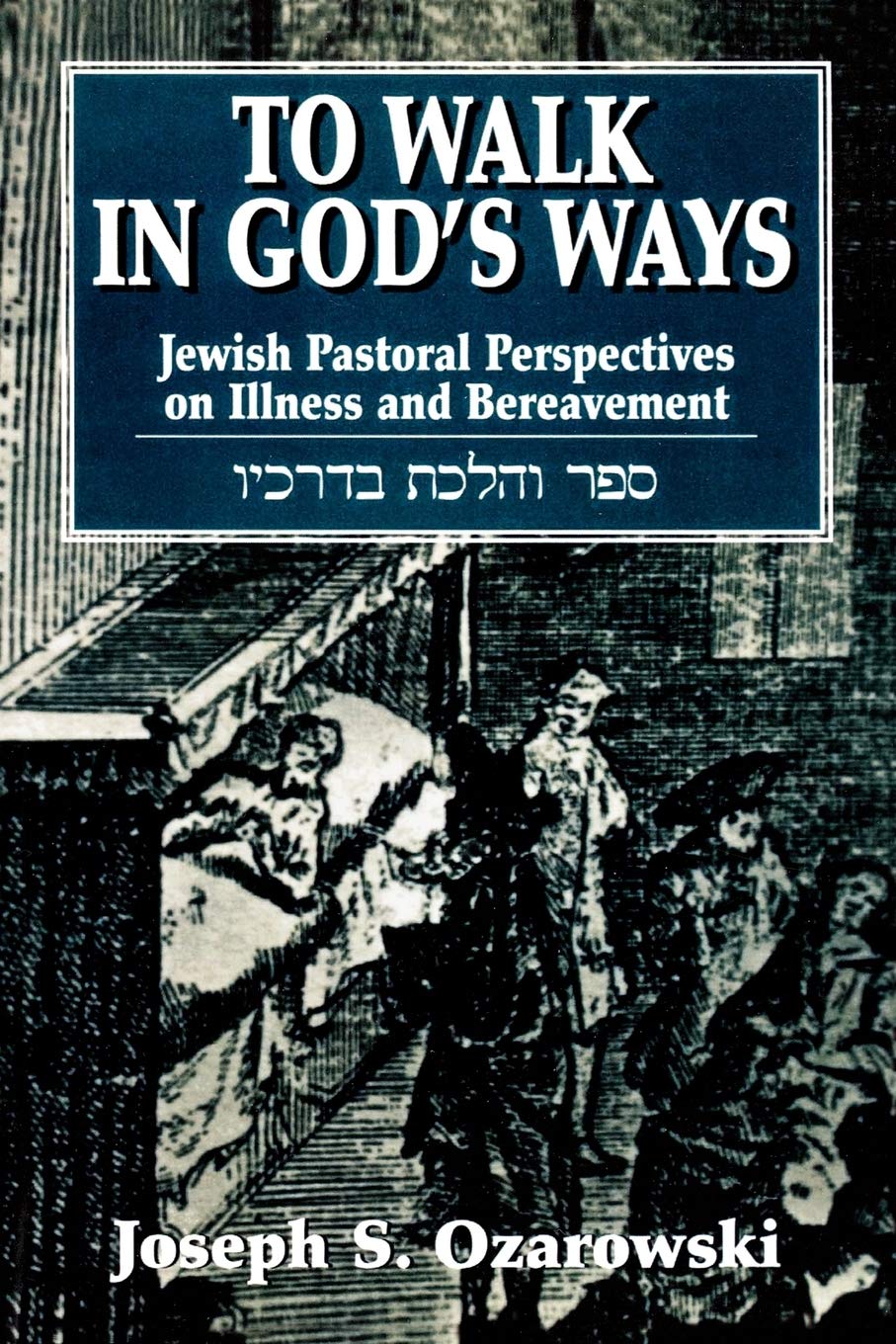
Rashi explains that Gd’s appearance is unusual in that most biblical references to Gd “appearing” are into a direct prophecy, so there must be another motivation. The motivation is to visit the recovering Abraham. From this read, we learn that visiting the sick is a Godly act, or to reference the title of a work by a close colleague, visiting the sick is To Walk in God’s Ways.

Rashi offers a further read of this visit. When Gd is “present” to Abraham, Gd “presumes” that Abraham needs to recover further. As such, as Rashi indicates:

כחום היום

IN THE HEAT OF THE DAY

The Holy One, blessed be He, brought the sun out of its sheath that he might not be troubled by travellers, and when He perceived that he was grieved that no travellers came He brought to him angels in the form of men (Bava Metzia 86b).

Rashi finds the description of the weather at the end of the verse seemingly out of place. As such, he presents a Talmudic read which suggests that the heat of the day was Gd’s way of caring for Abraham. By making the heat seemingly unbearable, it would allow Abraham the rest he presumably needed by keeping guests away. Yet, this attempt at removing extra work for Abraham backfired, as it caused Abraham further anguish. Rashi expresses the opinion that this caused Abraham to not only have the continued physical anguish of recovering from the recent procedure but also the spiritual anguish of the loss of a valuable element of who he was, the man of hospitality. As a result, Gd “changes” approaches and provides guests to Abraham to help uplift his spirits.

(As an aside, this comment could explain the strangeness of why Abraham is offered the prophecy about a son to be born both by Gd and then these messengers. The angels were not needed to tell Abraham the prophecy but by being sent, there needed to be a clear cut mission, not just, “make Abraham feel uplifted.” )

As we contemplate this deeper read of the verse, it presents a valuable lesson about visiting the sick and visiting the bereaved. We are there to serve the person, not to serve ourselves. Just as Gd realized Abraham needed the guests and the regular routine to help him heal, we too should recognize that the healing comes from finding ways to promote the individual’s personal sense of wellbeing.

Perfection is about process not perfection

In my continued quest for growth, one area that is constantly standing in the way is perfection. It is a nurtured habit of so many of us to “accept” nothing less than perfection. While we all know that there is no such thing as perfection or perfect people, we still struggle to accept our imperfections. I came across an interesting take on this strive towards perfection in the following analysis of Rabbi Dr. Abraham Twerski o.b.m. in his work Growing Each Day.

It states in Genesis 17:1:

וַיְהִ֣י אַבְרָ֔ם בֶּן־תִּשְׁעִ֥ים שָׁנָ֖ה וְתֵ֣שַׁע שָׁנִ֑ים וַיֵּרָ֨א יְהֹוָ֜ה אֶל־אַבְרָ֗ם וַיֹּ֤אמֶר אֵלָיו֙ אֲנִי־אֵ֣ל שַׁדַּ֔י הִתְהַלֵּ֥ךְ לְפָנַ֖י וֶהְיֵ֥ה תָמִֽים׃

When Abram was ninety-nine years old, the LORD appeared to Abram and said to him, “I am El Shaddai. Walk in My ways and be perfect.”

Rabbi Twerski notes:

If a human being cannot be perfect, why did God demand perfection of Abraham?

The entire context of the verse indicates both the definition of this perfection and the way in which it can be achieved. It is obvious that no human being can aspire to equal God’s degree of perfection. What man can achieve is to live according to God’s teachings and thereby live up to his own human potential; more than man’s personal maximum is not possible of expected. Thus, God did not say simply ‘Be perfect;’ He said, ‘Walk before me – and thereby you will be perfect.’ When a person tries to live according to the Divine teachings, that constitutes human perfection, although one is technically never perfect.

Growing Each Day P. 37

Perfection is a process. Perfection is something we strive towards by living a spiritual, divinely inspired life. Perfection is the ability to walk forward even while remaining imperfect. When we strive to improve, our next action is a first action, a new opportunity and new beginning to get it better. In a way, each opportunity we take in life to live up to our potential is another perfection on a continuum of perfection.

May we strive towards the reframing of perfection as not about the end result but about the process of getting to the end.