
The power of a pause

We are constantly doing. It is hard to stop and reflect. We think that if we stop we won’t progress. If we don’t pause to reflect and to truly listen to our inner voice, so much will be lost.

The book of Leviticus, VaYikra, begins with Gd calling to Moses as an invitation to teach Moses the vast array of laws related to sacrifices. Verse 1:1 states:

וַיִּקְרָ֖א אֶל־מֹשֶׁ֑ה וַיְדַבֵּ֤ר יְהֹוָה֙ אֵלָ֔יו מֵאֹ֥הֶל מוֹעֵ֖ד לֵאמֹֽר׃

Gd called to Moses and spoke to him from the Tent of Meeting, saying:

When Gd is speaking to Moses, the Torah usually says, Gd spoke to Moses, similar to the language in the middle of verse one, after the initial call. As such, the first words, Gd called to Moses, seem superfluous. The great medieval commentator Rashi offers a pedagogical/psychological answer to this seeming redundancy.

ויקרא אל משה AND HE CALLED UNTO MOSES — This implies that the Voice went on and reached his (Moses’s) ears only but all the other Israelites did not hear it). One might think that for the subsections there was also such a call! It, however, states, “[And the Lord called unto Moses] and spake (וידבר) [to him]”, thus intimating that a דבור, a complete section had (was preceded by) a call (e. g., in our text chapters 1—4), but not the subsections. And what purpose did these subsections serve (i. e., why are the larger sections broken up into smaller ones)? To give Moses an interval for reflection between one division and another and between one subject and another — something which is all the more necessary for an ordinary man receiving instruction from an ordinary man (Sifra, Vayikra Dibbura d’Nedavah, Chapter 1 9).

There is a distinction between calling and speaking that hints towards the importance of allowing a lesson to resonate before moving on. In the Torah’s context, the verse is saying: Moses was called to Gd to be taught a series of laws. This call was an overarching invitation to be in the same space. Once Moses enters the space, Gd speaks to him. Yet, Gd doesn’t just teach everything in one breath. Rather, it is broken into different lessons. Via this picture, we can see, as Rashi indicates, the importance of teaching ideas in manageable parts while recognizing that there is an overarching subject. This message is of such importance that Rashi repeats the same idea 10 verses laters, stating:

ואם מן הצאן AND IF [HIS OFFERING BE] OF THE SHEEP — The ו (of אם) adds something to the former subject (i. e. shows that this is a continuation of it). Why, then, is there a break between the two paragraphs (i. e. why does the following form a separate paragraph)? In order to give Moses an interval between the one section and the next section to reflect upon what has already been said (Sifra, Vayikra Dibbura d’Nedavah, Section 5 1).

Rashi Vayikra 1:10

From a literal perspective, the breaks are just breaks. They indicate a change in subject. Breaks are a means of clear, structured writing. Yet, in this comment, we see that a break is more than that. It is a lesson about life. When we want to change, we can’t just do it all at once. We must go step by step and allow the change to time have to percolate. There is as much to learn in the break as there is in the words themselves.

All new beginnings take time and energy because if we do too much too quick, we are more likely to lose all momentum. If we break things down into smaller, subsections, we have a higher chance of success.

Take the first step! Open the door to a new path and begin a process of change. Contact New Beginnings Spiritual Coaching and Consulting LLC at 732-314-6758 ext. 100 or via email at newbeginningsspiritualcoach@gmail.com
Ascending and Descending Messengers

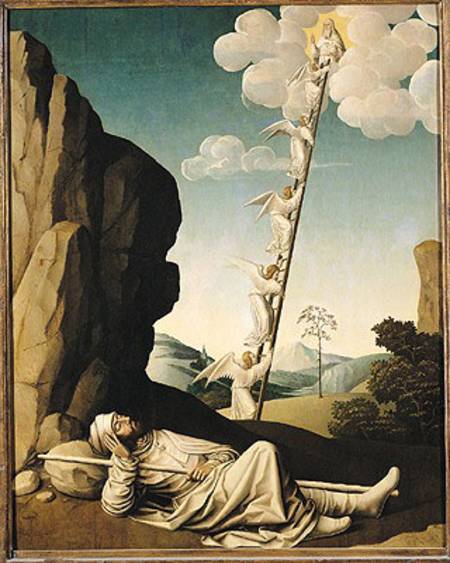
When life thrusts uncertainties at us, we often grasp for a sense of being connected to someone or something. We search for ways to recreate the sense of safety and certainty, either consciously or not. This idea of looking for refocusing on how faith and belief might be a place of safety is exemplified in one of the famous biblical stories, Jacob’s dream in which he envisions a “Stairway to Heaven.”

After running away from Isaac and Rebecca’s home as a means of self preservation because his twin brother Esau planned to take revenge over the stolen birthright, the Torah finds Jacob having stopped overnight to sleep. On this night, Jacob dreams of a ladder going from the land to heaven. The Torah states:

וַֽיַּחֲלֹ֗ם וְהִנֵּ֤ה סֻלָּם֙ מֻצָּ֣ב אַ֔רְצָה וְרֹאשׁ֖וֹ מַגִּ֣יעַ הַשָּׁמָ֑יְמָה וְהִנֵּה֙ מַלְאֲכֵ֣י אֱלֹהִ֔ים עֹלִ֥ים וְיֹרְדִ֖ים בּֽוֹ׃

He had a dream; a ladder was set on the ground and its top reached to the sky, and angels of God were going up and down on it.

וְהִנֵּ֨ה יְהֹוָ֜ה נִצָּ֣ב עָלָיו֮ וַיֹּאמַר֒ אֲנִ֣י יְהֹוָ֗ה אֱלֹהֵי֙ אַבְרָהָ֣ם אָבִ֔יךָ וֵאלֹהֵ֖י יִצְחָ֑ק הָאָ֗רֶץ אֲשֶׁ֤ר אַתָּה֙ שֹׁכֵ֣ב עָלֶ֔יהָ לְךָ֥ אֶתְּנֶ֖נָּה וּלְזַרְעֶֽךָ׃

And the LORD was standing beside him and He said, “I am the LORD, the God of your father Abraham and the God of Isaac: the ground on which you are lying I will assign to you and to your offspring.

וְהָיָ֤ה זַרְעֲךָ֙ כַּעֲפַ֣ר הָאָ֔רֶץ וּפָרַצְתָּ֛ יָ֥מָּה וָקֵ֖דְמָה וְצָפֹ֣נָה וָנֶ֑גְבָּה וְנִבְרְכ֥וּ בְךָ֛ כל־מִשְׁפְּחֹ֥ת הָאֲדָמָ֖ה וּבְזַרְעֶֽךָ׃

Your descendants shall be as the dust of the earth; you shall spread out to the west and to the east, to the north and to the south. All the families of the earth shall bless themselves by you and your descendants.

וְהִנֵּ֨ה אָנֹכִ֜י עִמָּ֗ךְ וּשְׁמַרְתִּ֙יךָ֙ בְּכֹ֣ל אֲשֶׁר־תֵּלֵ֔ךְ וַהֲשִׁ֣בֹתִ֔יךָ אֶל־הָאֲדָמָ֖ה הַזֹּ֑את כִּ֚י לֹ֣א אֶֽעֱזָבְךָ֔ עַ֚ד אֲשֶׁ֣ר אִם־עָשִׂ֔יתִי אֵ֥ת אֲשֶׁר־דִּבַּ֖רְתִּי לָֽךְ׃

Remember, I am with you: I will protect you wherever you go and will bring you back to this land. I will not leave you until I have done what I have promised you.”

Genesis 28:12-16

Jacob dreams/receives a prophetic message that Gd will be with him and protect him throughout his journey until such time as he returns to the land of Canaan. For Jacob, this reassurance is key to his ability to withstand the trials and tribulations he will come to face during his sojourn. Yet, Jacob maintains uncertain, for a few verses later, as Jacob takes leave of this seemingly holy place, the Torah states:

וַיִּדַּ֥ר יַעֲקֹ֖ב נֶ֣דֶר לֵאמֹ֑ר אִם־יִהְיֶ֨ה אֱלֹהִ֜ים עִמָּדִ֗י וּשְׁמָרַ֙נִי֙ בַּדֶּ֤רֶךְ הַזֶּה֙ אֲשֶׁ֣ר אָנֹכִ֣י הוֹלֵ֔ךְ וְנָֽתַן־לִ֥י לֶ֛חֶם לֶאֱכֹ֖ל וּבֶ֥גֶד לִלְבֹּֽשׁ׃

Jacob then made a vow, saying, “If God remains with me, if He protects me on this journey that I am making, and gives me bread to eat and clothing to wear,

וְשַׁבְתִּ֥י בְשָׁל֖וֹם אֶל־בֵּ֣ית אָבִ֑י וְהָיָ֧ה יְהֹוָ֛ה לִ֖י לֵאלֹהִֽים׃

and if I return safe to my father’s house—the LORD shall be my God.

וְהָאֶ֣בֶן הַזֹּ֗את אֲשֶׁר־שַׂ֙מְתִּי֙ מַצֵּבָ֔ה יִהְיֶ֖ה בֵּ֣ית אֱלֹהִ֑ים וְכֹל֙ אֲשֶׁ֣ר תִּתֶּן־לִ֔י עַשֵּׂ֖ר אֲעַשְּׂרֶ֥נּוּ לָֽךְ׃

And this stone, which I have set up as a pillar, shall be God’s abode; and of all that You give me, I will set aside a tithe for You.”

Genesis 28:20-22

This latter scene suggests that Jacob was not one hundred percent convinced that Gd would fulfill his promise from the dream, so Jacobs offers the vow that he would provide a percentage of his hoped for accumulated wealth to Gd as a tribute for protection. Why would Jacob not believe wholeheartedly in Gd’s promise? I would suggest that Jacob’s uncertainty is not from a lack of faith but rather from an innate sense of abandonment that he feeling on this night. This is depicted in the first image of the dream, in which the “angels of Gd” ascend and then descend from the ladder. If we consider the image we would expect to see, the angels should have descending first and only then ascending. Yet, the verse flips the actions, leading to the following comment from Rashi:

עלים וירדים ASCENDING AND DESCENDING — It states first ascending and afterwards descending! Those angels who accompanied him in the land of Israel were not permitted to leave the Land: they ascended to Heaven and angels which were to minister outside the Land descended to accompany him (Genesis Rabbah 68:12).

As we know, dreams, even in the prophetic sense that is attributed to them throughout the Bible, contain many images that illustrate our unconscious or conscious concerns. For Jacob, the angels were his protectors, his internal sense of not being alone, which his subconscious highlighted in his vision. While Jacob does have a destination, his uncle’s home and a mission to marry his uncle’s daughter, he is presumably filled with feelings of abandonment and uncertainty about the future. As such, he dreams of angels first ascending, for deep down he knows he is never alone. Furthermore, the entire dream focuses on Gd being with him throughout his journey. The angels represent that Jacob can rest assured that he is not being abandoned at any point.

Regarding his vow after the dreams, the vow speaks to Jacob’s conscious sense of uncertainty. A dream is a dream and even one of a “prophetic” nature can leave someone with doubts. Jacob’s vow/covenant to Gd is a way for Jacob to accept that dream and change his mindset. No longer will he allow himself to be worried about the uncertainties that lie ahead. He knows he will be able to handle them because of Gd’s “promise” and his offer as a means of submission to this new perspective.

Jacob’s vision and response is a powerful example of the challenge we all face when starting on a new journey. Deep down we know there is risk any time we venture into something new. Doubts exist. Yet, if we allow the doubts to overtake us, we will never be able to take the first step. When we acknowledge the doubts and take control of them, recognizing the doubts are part of the journey, not the barrier, we will be able to move forward and find our new beginning.

May we find the ability to change our mindset as we work towards achieving our growth potential and our wishes.

Encourage the wishes of the ill

One of the challenges people face when visiting others who are sick, grieving, or in need of companionship and social connection is the ability to recognize that the visit is for the person being visited and not for themselves. Many times, we go with all the right intentions yet somehow it becomes our agenda that overshadows the good that our presence is meant to provide. I have witnessed many situations where the one being visited was doing something that many would consider “not the normal way we act” and get chastised even though the person was finding more comfort in the outside the norm activity.

This week’s Torah portion, Vayera, begins with the story of Abraham and the 3 visitors (angels, servants of Gd). The story is also understood to be a lesson in visiting the sick. The opening verse states:

וַיֵּרָ֤א אֵלָיו֙ יְהֹוָ֔ה בְּאֵלֹנֵ֖י מַמְרֵ֑א וְה֛וּא יֹשֵׁ֥ב פֶּֽתַח־הָאֹ֖הֶל כְּחֹ֥ם הַיּֽוֹם׃

The LORD appeared to him by the terebinths of Mamre; he was sitting at the entrance of the tent as the day grew hot.

Genesis 18:1

Rashi, the pre-eminent medieval commentator on the Bible, offers a couple of comments on this verse which sees this as Gd visiting the recently ill Abraham, who was recovering from his circumcision.

וירא אליו

AND THE LORD APPEARED UNTO HIM

to visit the sick man. R. Hama the son of Hanina said: it was the third day after his circumcision and the Holy One, blessed be He, came and enquired after the state of his health (Bava Metzia 86b)

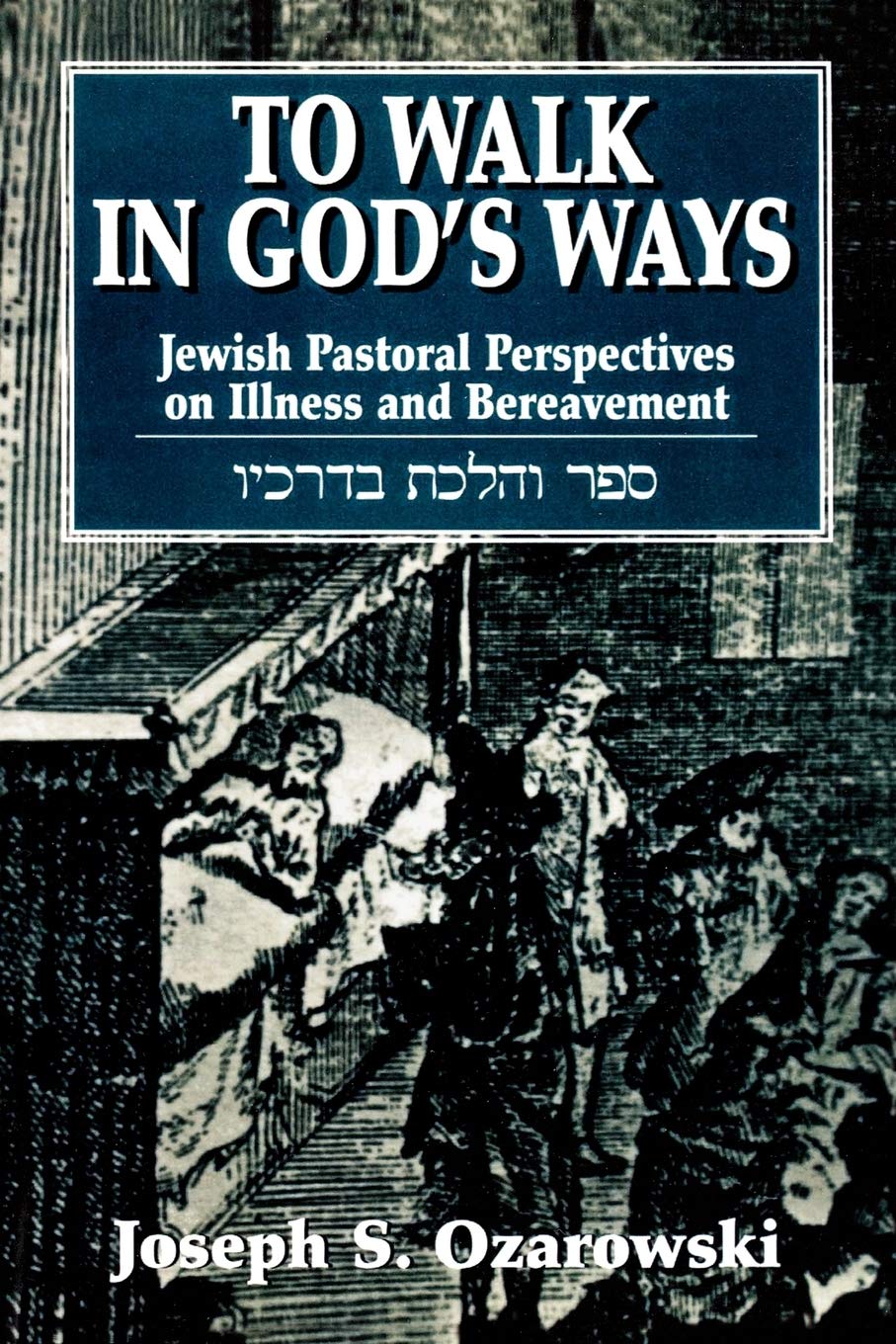
Rashi explains that Gd’s appearance is unusual in that most biblical references to Gd “appearing” are into a direct prophecy, so there must be another motivation. The motivation is to visit the recovering Abraham. From this read, we learn that visiting the sick is a Godly act, or to reference the title of a work by a close colleague, visiting the sick is To Walk in God’s Ways.

Rashi offers a further read of this visit. When Gd is “present” to Abraham, Gd “presumes” that Abraham needs to recover further. As such, as Rashi indicates:

כחום היום

IN THE HEAT OF THE DAY

The Holy One, blessed be He, brought the sun out of its sheath that he might not be troubled by travellers, and when He perceived that he was grieved that no travellers came He brought to him angels in the form of men (Bava Metzia 86b).

Rashi finds the description of the weather at the end of the verse seemingly out of place. As such, he presents a Talmudic read which suggests that the heat of the day was Gd’s way of caring for Abraham. By making the heat seemingly unbearable, it would allow Abraham the rest he presumably needed by keeping guests away. Yet, this attempt at removing extra work for Abraham backfired, as it caused Abraham further anguish. Rashi expresses the opinion that this caused Abraham to not only have the continued physical anguish of recovering from the recent procedure but also the spiritual anguish of the loss of a valuable element of who he was, the man of hospitality. As a result, Gd “changes” approaches and provides guests to Abraham to help uplift his spirits.

(As an aside, this comment could explain the strangeness of why Abraham is offered the prophecy about a son to be born both by Gd and then these messengers. The angels were not needed to tell Abraham the prophecy but by being sent, there needed to be a clear cut mission, not just, “make Abraham feel uplifted.” )

As we contemplate this deeper read of the verse, it presents a valuable lesson about visiting the sick and visiting the bereaved. We are there to serve the person, not to serve ourselves. Just as Gd realized Abraham needed the guests and the regular routine to help him heal, we too should recognize that the healing comes from finding ways to promote the individual’s personal sense of wellbeing.