Extending a hand to uplift a person

The stories of Genesis contain hints and allusions to how we should live and treat one another. While some of these lessons are complicated by shifting ethics and morality, many others stand the test of time and are important to review and reflect upon. One such lesson relates to how to support someone who has experienced a loss or a failure within life. While we know the dove eventually finds the olive branch, the process was not a simple one.

After the ark came to rest on Mount Ararat, Noah decides to first send out a raven and then a dove to determine if the waters had receded enough to emerge from the ark. In their first flights, neither bird discovered a place to rest, which the Torah makes specifically makes clear in the dove’s first return. Genesis 8:9 states,

וְלֹֽא־מָצְאָה֩ הַיּוֹנָ֨ה מָנ֜וֹחַ לְכַף־רַגְלָ֗הּ וַתָּ֤שב אֵלָיו֙ אֶל־הַתֵּבָ֔ה כִּי־מַ֖יִם עַל־פְּנֵ֣י כל־הָאָ֑רֶץ וַיִּשְׁלַ֤ח יָדוֹ֙ וַיִּקָּחֶ֔הָ וַיָּבֵ֥א אֹתָ֛הּ אֵלָ֖יו אֶל־הַתֵּבָֽה׃

But the dove could not find a resting place for its foot, and returned to him to the ark, for there was water over all the earth. So putting out his hand, he took it into the ark with him.

Genesis 8:9

At first glance, this verse is merely reporting on the fact that the dove returned unsuccessful. However, the verse contains a superfluous comment, that not only did Noah take the dove back into the ark, Noah put out his hand to do so. One of the great biblical commentators of the modern era, R. Naftali Zvi Yehuda of Berlin, the Netziv, wonders as to the importance of telling us both that Noah extended his hand as well as took the dove back into the ark. One phrase should have been enough to convey the point.

In response to this question, Netziv shares a psychological insight, one which I believe we know but often struggle to implement in our lives. He suggests that Noah’s extending his hand was a message of active empathy. The dove failed, not out of any doing of its own, but because the flood waters hadn’t receded yet. Nevertheless, not being able to succeed in the mission, or bring back a “positive report,” which in this case might have been not returning at all because it found a resting place, is also a “failure” of sorts. As such, Noah, not only opens the door for the dove to come back in but actively brings the dove back in, thus showing kindness and empathy to the dove. Noah went the extra step, not just making the space for the dove to re-enter the ark, but also helping to bring the dove in, implicitly saying that I am here to hold you up in this moment of failure.

The question is, can we be like Noah? Can we work to extend the hand out to bring the person with us? Over the past couple of pieces (see here and here), I have focused on the power of not having to go at it alone. This is another aspect of that, but this time focusing on the importance of uplifting the other person by actively supporting them. For example, there is a client I am working with who has a friend who visits regularly to be a companion for him. This friend doesn’t just visit. When he calls to see if he can come over, he will often follow up by asking my client if he wants him to pick up something to eat or drink on the way over.

Part of our journey of spiritual growth is how we interact with others. I would invite you to consider what steps you take to actively help and support others as well how others have helped you in the past in your own times of struggle. Hone those skills! Be like Noah in the moment with the dove.

Don’t go at it alone. If you or someone you know is looking to start along the journey of change and growth: Contact New Beginnings Spiritual Coaching and Consulting LLC at 732-314-6758 ext. 100 or via email at newbeginningsspiritualcoach@gmail.com.
Seeing a Miracle as a Joint Effort

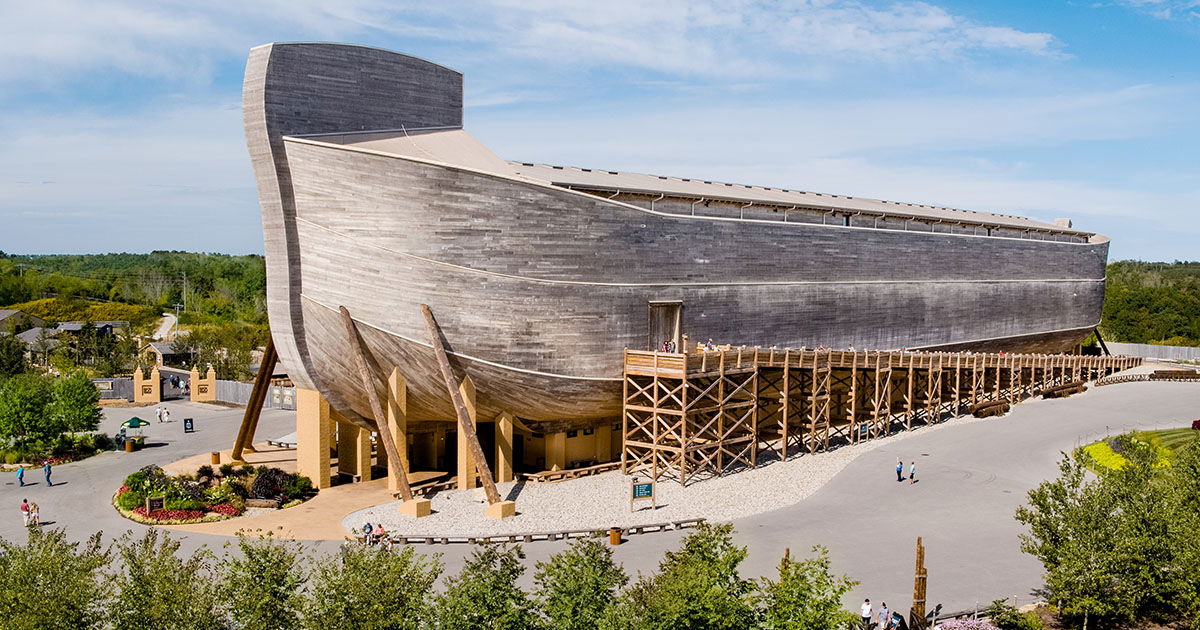
Faith and belief is a funny thing. On the one hand, we know that no matter what we do, no matter how much effort we might put into something, success and failure are more often than not out of our hands. On the other hand, we know that if we just sit and wait, hoping for a miracle, the likelihood of something happening is severely reduced. This message is apparent in Noah’s building of the ark as described at the beginning of this week’s Torah portion.

The ark Noah was to build was to house he, his 3 sons, his wife and their wives as well as 1 or 7 pairs of all land animals and birds, and supplies to survive the flood. In other words, this would need to be a big boat. Commenting on Genesis 6:19, Nachmanides offered the following idea.

…Noah was thus obligated to bring all of them into the ark in order that they may beget their like. If you would gather a full year’s supply of food for all of them, [you would find] that this ark and ten others like it could not hold it! But this was a miracle of a small space containing a great quantity. And in case you suppose that he should have made it [the ark] very small and rely on this miracle, the answer is that the Holy One, blessed be He, saw fit to make it large so that the people of his generation should see it, wonder at it, converse about it, and speak of the subject of the flood and the gathering of the cattle, beast, and fowl into it so that perhaps they would repent. Furthermore, he made it large in order to reduce the miracle for such is the way with all miracles in the Torah or in the Prophets: whatever is humanly possible is done, with the balance left to Heaven…

והנה יצטרך להביא מכלם שיולידו כמותם וכאשר תאסוף לכלם מאכל אשר יאכל לשנה תמימה לא תכיל אותם התיבה הזאת ולא עשר כיוצא בה אבל הוא נס החזיק מועט את המרובה ואם תאמר יעשנה קטנה ויסמך על הנס הזה ראה השם יתברך לעשותה גדולה כדי שיראו אותה בני דורו ויתמהו בה ויספרו עליה וידברו בענין המבול וכנוס הבהמה והחיה והעוף לתוכה אולי יעשו תשובה ועוד עשו אותה גדולה למעט בנס כי כן הדרך בכל הניסים שבתורה או בנביאים לעשות מה שביד אדם לעשות והשאר יהיה בידי שמים

Before overanalyzing Nachmanides’ words, I believe the simplest way to express his idea is from one of the most iconic movie quotes of all time:

Life is a partnership. Nothing can be done alone. I shared one aspect of this idea of not going at it alone in my piece from last week, Humility is recognizing we don’t have to do it alone. Nachmanides now adds another layer. Faith and trust in something greater than ourselves is not just a waiting game. It requires active participation on our part. Nachmanides uses the example of Noah building a reasonably sized ark, yet clearly not an ark big enough to really house all of what would be needed for survival, as evidence for how a miracle is not a one way street.

One of the greatest miracles we experience is the miracle of growth and change. It is extremely difficult to overcome our habits. It is quite challenging to make a lasting change in life, so much so that more often than not, changes don’t always last. Yet, we are always responsible to keep at it, keep trying, keep taking single steps along the path. True faith comes from a sense that if we take the single step, if we open the door to change, we will see the fruits of our labor. Or, in the words of Midrash Shir HaShirim Rabba 5:2 –

“Open for me” – Rabbi Yasa said: The Holy One blessed be He said to Israel: My children, open for Me one opening of repentance like the eye of the needle, and I will open for you openings that wagons and carriages enter through it.”

Today, may each of us find the sense to take that next step, open the door to new opportunity and may we, in partnership, come to find there is more room to change than meets the eye.

Don’t go at it alone. If you or someone you know is looking to start along the journey of change and growth: Contact New Beginnings Spiritual Coaching and Consulting LLC at 732-314-6758 ext. 100 or via email at newbeginningsspiritualcoach@gmail.com.