Rebbe Nachman’s Advice # 16 – Working towards Seeing is Believing

This week’s Torah portion, Ki Tissa, brings us to the story of Israel’s almost cataclysmic choice, the fashioning and worshipping of the Golden Calf, the Egel HaZahav. While there is a debate about whether the idol was to replace Gd or Moses or perhaps even both, there is an interesting, underlying spiritual question regarding the story. There is a famous statement, Seeing is Believing, yet how often is this statement proven false. In the story of the worshipping of the Golden Calf, this idea is proven false, for the Israelites had experienced Gd’s miracles and heard Gd’s “voice” and yet a short time later they fall into this ultimate of violations of faith.

If seeing is believing is not an absolute reality, how come this is a go to statement for so many. Sure, we often use it sarcastically, but within the sarcasm must be a modicum of believing it to be true. Perhaps, we can suggest an approach from Rebbe Nachman. I present two quotes from Likkutei Etzot about making our faith so strong that it is as if we are really seeing it (and See here (Rebbe Nachman’s advice # 10) for a parallel text and my thoughts):

עִקַּר שְׁלֵמוּת הָאֱמוּנָה הוּא, שֶׁיִּתְחַזֵּק בֶּאֱמוּנָה חֲזָקָה כָּל כָּךְ עַד שֶׁתִּהְיֶה בְרוּרָה וְזַכָּה מְאֹד, עַד שֶׁיִּהְיֶה דּוֹמֶה בְּעֵינָיו כְּאִלּוּ רוֹאֶה בְּעֵינָיו מַמָּשׁ הַדָּבָר שֶׁמַּאֲמִין בּוֹ, וְכַמְבֹאָר לְעֵיל (בְּאוֹת ל”ב [צ”ל אוֹת כ”ח]): (לק”א סי’ רל”ד)

Faith must be a complete and very clear faith, such that because of his faith it seems to him as if his eyes see the very thing he believes in

Likkutei Etzot Truth and Faith # 36

כְּשֶׁאָדָם חָזָק בֶּאֱמוּנָה מְאֹד, זוֹכֶה אַחַר כָּךְ לָבוֹא אֶל הַשֵּׂכֶל, וְכָל מַה שֶׁמַּחְזִיק אֶת עַצְמוֹ בֶּאֱמוּנָה יוֹתֵר, בָּא אֶל שֵׂכֶל יוֹתֵר. כִּי הַדָּבָר שֶׁהָיָה צָרִיךְ מִתְּחִלָּה לְהַאֲמִין מֵחֲמַת שֶׁלֹּא הֵבִין הַדָּבָר, זוֹכֶה אַחַר כָּךְ לַהֲבִינוֹ בְּשֵׂכֶל עַל־יְדֵי אֱמוּנָתוֹ הַחֲזָקָה. אַךְ אַחַר כָּךְ יֵשׁ לוֹ דְּבָרִים גְּבוֹהִים יוֹתֵר, שֶׁהֵם נִסְתָּרִים מִמֶּנּוּ וְאֵינוֹ יָכוֹל לַהֲבִינָם בְּשֵׂכֶל, וַאֲזַי צָרִיךְ לְהִתְחַזֵּק אֶת עַצְמוֹ יוֹתֵר בֶּאֱמוּנָה, לְהַאֲמִין בְּמַה שֶּׁנִּסְתָּר מִמֶּנּוּ עַתָּה וְאֵינוֹ מֵבִין בְּשֵׂכֶל, עַד שֶׁיִּזְכֶּה לְהָבִין גַּם אֵלּוּ הַדְּבָרִים בְּשֵׂכֶל, וְכֵן לְעוֹלָם. אֲבָל לָזֶה צָרִיךְ לִהְיוֹת הָאֱמוּנָה חֲזָקָה מְאֹד מְאֹד עַד שֶׁתִּתְפַּשֵּׁט הָאֱמוּנָה בְּכָל הָאֵיבָרִים, וְאָז יוּכַל לִזְכּוֹת לָבוֹא אֶל הַשֵּׂכֶל עַל־יְדֵי הָאֱמוּנָה כַּנַּ”ל: (לק”א סי’ צ”א)

If you are very strong in your faith you will eventually reach understanding of what you believe in. The stronger your faith the greater your understanding will be. At the outset you have no option but to have faith because you cannot understand the matter rationally. Through faith you will come to understand it. Except that then there will be new, more exalted levels which are still hidden from you and beyond your ability to understand rationally. Here again you will have to make the effort to believe. You must always have faith in the levels that are hidden from you. In the end you will understand them also. And so the process goes on. The main thing is that your faith must be so strong that it spreads to all your limbs. This faith will bring you to true wisdom (91).

Likkutei Etzot Truth and Faith # 32

Rebbe Nachman is suggesting that our life goal should be the constant work around strengthening our faith. We cannot just go through life and presume we will have the belief and fortitude to overcome moments that challenge us. We have to prepare, we have to work on it. We have to study and reflect on what it means when we say we believe or we have faith in… Is it just words or is it part of our essence? And, from his words, it seems like even when it is something that is seemingly well established, we must continue to work on it.

I can imagine that for the Israelites, it is this latter point which was a problem. They were witness to things that are improbable/impossible. They experienced miracles that the world has never seen. And yet, that wasn’t enough because the experiences needed constant reinforcement. Sure, one could argue that the Torah’s story presumes that they saw regular “miracles” like the manna and the protective clouds around the encampment. Nevertheless, regular “miracles” lose potency over time; they become routine. Once they become routine, the inspiration dissipates.

When life becomes routine, we lose the inspiration to grow. When we purposefully work on seeing and experiencing the simple inspirations in life, we can maintain and grow in our sense of awe at the wonders of the world. Faith is a constant goal. And if we constantly strive, perhaps we really will have seeing is believing moments. May we merit to have times when we are open to truly seeing the beauty of our path, our journey.

Are you struggling with your spiritual growth? Faith? Feeling lost in the midst of the journey of life? Contact New Beginnings Spiritual Coaching and Consulting LLC at 732-314-6758 ext. 100 or via email at newbeginningsspiritualcoach@gmail.com
Rebbe Nachman’s Advice # 3 – Belief as it relates to the sacredness of the miracle of Time and Space

Are there actual miracles in the world? Can we be open to the concept that even the events that we think are natural are miraculous? Do we just rely on our knowledge, which blinds us to seeing the beauty and sacredness all around us?

I have suggested that our understanding of miracles has become more sophisticated. This is a double-edged sword. We can see the miraculous even in moments that we have a clear sense of the nature of what we are witnessing and yet, because we know more, we tend not to be able to experience the miraculous with as much excitement and wonder. Because of this, our skepticism gets in the way of our experiencing the world.

For Rebbe Nachman, as part of his perspectives on faith as culled together in Likkutei Etzot, recognizing the possibility of the miraculous, something seeming beyond the norm, is an important element of developing, strengthening and maintaining our faith. As he says:

ז. אֵלּוּ בְּנֵי אָדָם הַמַּכְחִישִׁים כָּל הַנִּסִּים, וְאוֹמְרִים שֶׁהַכֹּל דֶּרֶךְ הַטֶּבַע, וְאִם רוֹאִים אֵיזֶה נֵס הֵם מְכַסִּים הַנֵּס עִם דֶּרֶךְ הַטֶּבַע, שֶׁאוֹמְרִים שֶׁזֶּה דֶּרֶךְ הַטְּבָעִים, הֵם פּוֹגְמִים בָּאֱמוּנָה מְאֹד, וּפוֹגְמִים בַּתְּפִלָּה וּבְאֶרֶץ יִשְׂרָאֵל, וְהֵם מַאֲרִיכִין אֶת הַגָּלוּת: (שם אות ה’)

The people who deny that miracles are possible and claim that everything that takes place has a natural explanation can actually witness a miracle themselves and still try and glaze over it and explain it away. Naturally, this attitude of mind is very damaging to religious faith. It is harmful to prayer, and people’s understanding of the true significance of the Land of Israel becomes obscured. All this contributes to the lengthening of the exile (Ibid. 2).

Before unpacking this idea, I would highlight a summarization of this concept from earlier in this section of Likkutei Etzot:

ב. אֱמוּנָה וּתְפִלָּה וְנִסִּים וְאֶרֶץ יִשְׂרָאֵל הֵם בְּחִינָה אַחַת, וְכֻלָּם תְּלוּיִים זֶה בָּזֶה: (שם)

Faith, prayer, miracles and the Land of Israel are all one concept. They are all dependent upon each other (Ibid.).

If we remove the belief in the miraculous, we run the risk of losing the feelings of awe and wonder that is the beauty in the world. If we lose this sense of awe, we presume everything has a direct correlation, instead of maintaining a sense of the faith we often need to help guide us through challenging moments. Without this faith, why would we pray, since how can prayer ever make a change. And finally, we close ourselves off the sacredness of time and space, as exemplified by the notion of that the true significance of Israel is obscured, for part of the true significance of Israel is the notion that place can be sacred.

Rebbe Nachman is advising us to be open to experiencing things without having to intellectualize them. If we allow for experience, we open ourselves up to feeling the changes between the mundane and sacred. How do we feel the difference between a weekday and Shabbat if we merely just look at a calendar? How do we see the beauty of Gd’s creation if all we are doing is driving through? When we experience the sacredness, we feel the inspiration to grow, to connect, to recognize the faith of the “unknown.”

May we be able to open our hearts and minds to truly feel the holiness and sacred of our world. May we recognize how different times and different spaces have different vibes.

Are you struggling with your spiritual growth? Faith? Feeling lost in the midst of the journey of life? Contact New Beginnings Spiritual Coaching and Consulting LLC at 732-314-6758 ext. 100 or via email at newbeginningsspiritualcoach@gmail.com

Seeing a Miracle as a Joint Effort

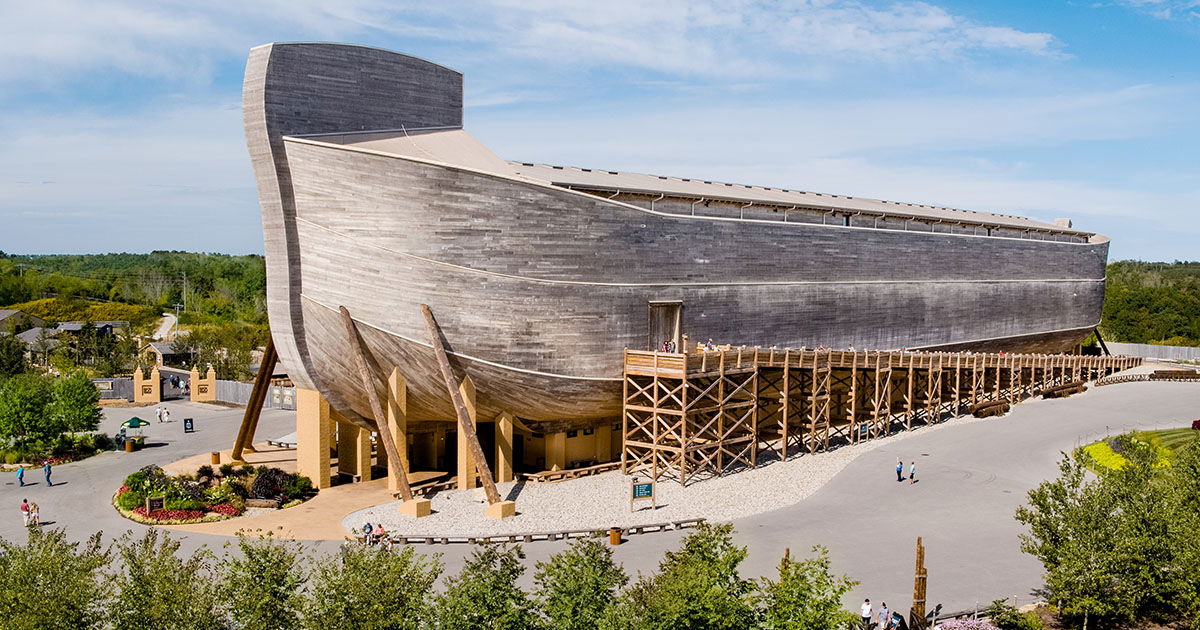
Faith and belief is a funny thing. On the one hand, we know that no matter what we do, no matter how much effort we might put into something, success and failure are more often than not out of our hands. On the other hand, we know that if we just sit and wait, hoping for a miracle, the likelihood of something happening is severely reduced. This message is apparent in Noah’s building of the ark as described at the beginning of this week’s Torah portion.

The ark Noah was to build was to house he, his 3 sons, his wife and their wives as well as 1 or 7 pairs of all land animals and birds, and supplies to survive the flood. In other words, this would need to be a big boat. Commenting on Genesis 6:19, Nachmanides offered the following idea.

…Noah was thus obligated to bring all of them into the ark in order that they may beget their like. If you would gather a full year’s supply of food for all of them, [you would find] that this ark and ten others like it could not hold it! But this was a miracle of a small space containing a great quantity. And in case you suppose that he should have made it [the ark] very small and rely on this miracle, the answer is that the Holy One, blessed be He, saw fit to make it large so that the people of his generation should see it, wonder at it, converse about it, and speak of the subject of the flood and the gathering of the cattle, beast, and fowl into it so that perhaps they would repent. Furthermore, he made it large in order to reduce the miracle for such is the way with all miracles in the Torah or in the Prophets: whatever is humanly possible is done, with the balance left to Heaven…

והנה יצטרך להביא מכלם שיולידו כמותם וכאשר תאסוף לכלם מאכל אשר יאכל לשנה תמימה לא תכיל אותם התיבה הזאת ולא עשר כיוצא בה אבל הוא נס החזיק מועט את המרובה ואם תאמר יעשנה קטנה ויסמך על הנס הזה ראה השם יתברך לעשותה גדולה כדי שיראו אותה בני דורו ויתמהו בה ויספרו עליה וידברו בענין המבול וכנוס הבהמה והחיה והעוף לתוכה אולי יעשו תשובה ועוד עשו אותה גדולה למעט בנס כי כן הדרך בכל הניסים שבתורה או בנביאים לעשות מה שביד אדם לעשות והשאר יהיה בידי שמים

Before overanalyzing Nachmanides’ words, I believe the simplest way to express his idea is from one of the most iconic movie quotes of all time:

Life is a partnership. Nothing can be done alone. I shared one aspect of this idea of not going at it alone in my piece from last week, Humility is recognizing we don’t have to do it alone. Nachmanides now adds another layer. Faith and trust in something greater than ourselves is not just a waiting game. It requires active participation on our part. Nachmanides uses the example of Noah building a reasonably sized ark, yet clearly not an ark big enough to really house all of what would be needed for survival, as evidence for how a miracle is not a one way street.

One of the greatest miracles we experience is the miracle of growth and change. It is extremely difficult to overcome our habits. It is quite challenging to make a lasting change in life, so much so that more often than not, changes don’t always last. Yet, we are always responsible to keep at it, keep trying, keep taking single steps along the path. True faith comes from a sense that if we take the single step, if we open the door to change, we will see the fruits of our labor. Or, in the words of Midrash Shir HaShirim Rabba 5:2 –

“Open for me” – Rabbi Yasa said: The Holy One blessed be He said to Israel: My children, open for Me one opening of repentance like the eye of the needle, and I will open for you openings that wagons and carriages enter through it.”

Today, may each of us find the sense to take that next step, open the door to new opportunity and may we, in partnership, come to find there is more room to change than meets the eye.

Don’t go at it alone. If you or someone you know is looking to start along the journey of change and growth: Contact New Beginnings Spiritual Coaching and Consulting LLC at 732-314-6758 ext. 100 or via email at newbeginningsspiritualcoach@gmail.com.