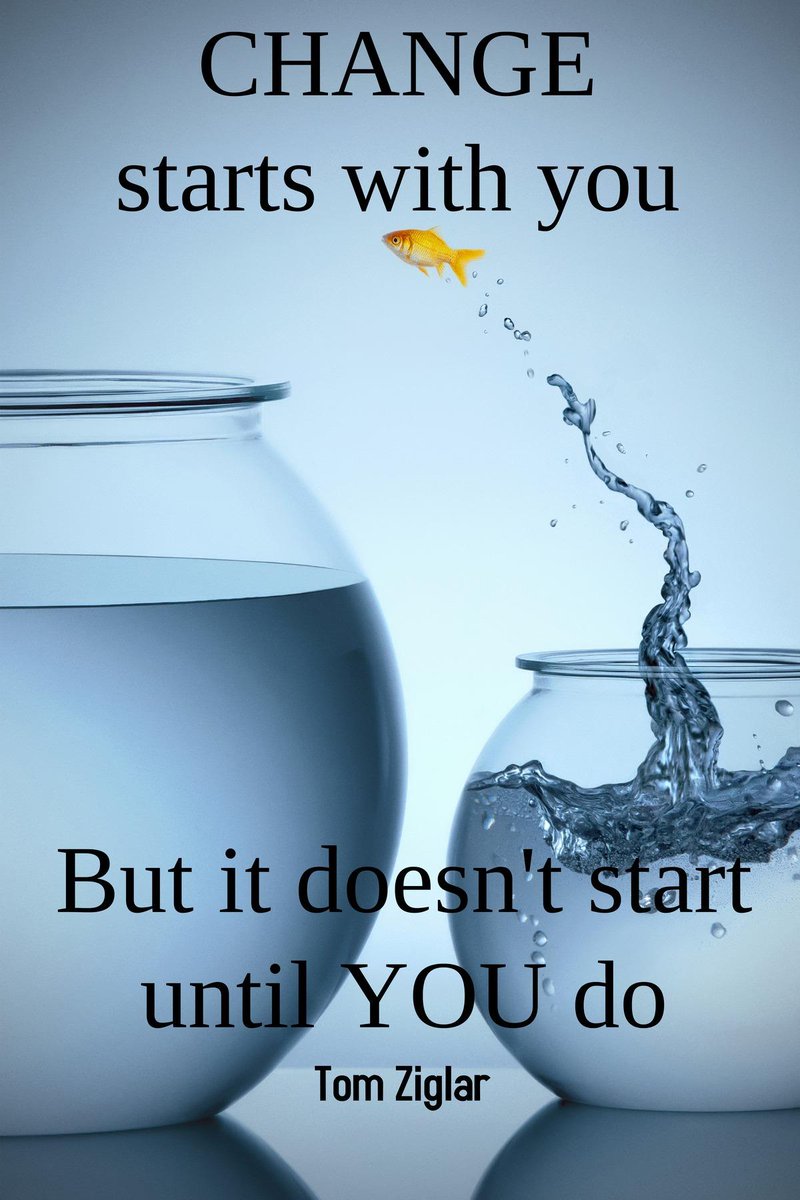
Change the World by Fulfilling your Role

Who doesn’t want to change the world? I imagine most of us wish things would seem better. We wish we could do something dramatic and monumental to change things for the better. And yet, most of us are taught adages like the one in the image above, that wisdom and life experience will teach us how the best way to bring about change is to make changes to oneself. Through these changes, we might find that we are doing our personal part, fulfilling our life’s mission and through our work and changed approach, we are in fact changing the world around us.

“When we fulfill our divine mission in the world, we elevate not merely ourselves and our immediate surroundings, but ultimately also the entire cosmos (Avraham Yitzchak HaKohen Kook)” 

RCA Siddur Avodat HaLev P. 20

In my work with others, I often find that one of the biggest barriers to success and to change is spending too much time looking outwards. We all know the harms of comparing ourselves to the images put out on social media. We get lost in the shuffle of seeing the fun, the excitement, the slick marketing. We start to day dream and wonder and feel a sense of jealousy. And then we go down the rabbit hole of beating ourselves up for not being like…

A lot of the work of coaching others through challenging points in life is helping them look back inside. This comes about through exploration, creating space for the client to do self-detective work, bringing forth aspects of who they are and who they want to be. This is true in grief work while helping someone navigate the muddy waters of re-emerging into a different world without the deceased. This is true in working with people on self-discovery as they work towards forging a new road along the path of life. This is true for people trying to make a choice, helping them find THE question that will help unlock the door of the decision they wish to make. 

When we have that moment of discovery, that new insight into the life we are trying to live, we are then open to the changes we want to see outwardly as well. Now, of course, there are things we wish we could change that all of this self-discovery and focus won’t change. At least not on our own. Nevertheless, we must do our part, for without it there would be no chance for change at all.

Our mission in this world is to leave it better for the next person. By discovering that each step along the way is not just lifting up ourselves but all those around us, we will hopefully discover some of the change we wish to see.  

It’s a New Year and a new opportunity to start fresh. If you or someone you know is looking to forge ahead and set new goals or trying to find a sense of meaning in life, we are here to help foster a spiritual and emotional growth and change. Contact New Beginnings Spiritual Coaching and Consulting LLC at 732-314-6758 ext. 100 or via email at newbeginningsspiritualcoach@gmail.com

Podcast Episode Recommendation: The Importance of Giving Thanks


.

I know this theme gets played out many times, yet it is so important to remind ourselves again and again about the importance of gratitude. Gratitude is not just merely about saying “Thank You,” but it is a mindset we would do well to cultivate. To live a life of gratitude is a daily spiritual practice, from the moment we wake up to the moment we go to sleep.

Unfortunately, there are many moments in life when it is quite challenging to maintain this gratitude mindset. We face moments and times of tragedy and trauma and we get subsumed by the all too real powerful emotions crisis presents to us. Yet, we wish to persevere, to live and to grow. And we can, with much work and support. Gratitude can be one of the various tools we can work to harness in those difficult moments.

As we think about gratitude today, I invite you to listen to one perspective on the importance of giving thanks I had the opportunity to listen to this morning. My colleague and friend Rabbi Benyamin Vineburg, BCC, recorded a conversation on Thanksgiving with his father Rabbi Dr. Sid Vineburg, Ed. D for the Be Wholly Podcast. I highly recommend listening to this episode, as it is a personal look at finding gratitude living with chronic illness. See below for the links:

https://www.buzzsprout.com/2277823/14028305

https://podcasts.apple.com/us/podcast/be-wholly-with-rabbi-ben-vineburg/id1716208253?i=1000636720404

If you or someone you know is struggling, spiritually and/or emotionally, trying to find a sense of meaning in these times of struggle, know that you are not alone. Contact New Beginnings Spiritual Coaching and Consulting LLC at 732-314-6758 ext. 100 or via email at newbeginningsspiritualcoach@gmail.com

Audio – Lessons in Tanya 13

episode 13

Part 2 of chapter 7. We discuss what happens when we do the right action for the wrong reasons and how to overcome the taint to our soul as a result. This section deals with repentance out of love being the higher level that can remove the taints on our soul from doing forbidden actions and how we can relate to this concept through understanding different ways we ask for forgiveness.

Do you want to work on taking the actions of your life and find meaning in all you do and who you are? Contact New Beginnings Spiritual Coaching and Consulting LLC at 732-314-6758 ext. 100 or via email at newbeginningsspiritualcoach@gmail.com

Perspective: Working to see the good

Let’s be real. It is much easier to see the negative, the difficult, the “bad” in life. And if you read most self help books, one of the themes that jumps out is the importance of working on seeing the positive, which should help us be more positive. For example, how often do we hear about the importance of smiling even when not happy because it has the physiological effect of eventually helping one to feel more positive (see The Health Benefits of Smiling as an example).

In relating this topic, I am reminded of the opening of this week’s Torah portion, Parashat Re’eh, presents the following choice:

רְאֵ֗ה אָנֹכִ֛י נֹתֵ֥ן לִפְנֵיכֶ֖ם הַיּ֑וֹם בְּרָכָ֖ה וּקְלָלָֽה׃

See, this day I set before you blessing and curse:

אֶֽת־הַבְּרָכָ֑ה אֲשֶׁ֣ר תִּשְׁמְע֗וּ אֶל־מִצְוֹת֙ יְהֹוָ֣ה אֱלֹֽהֵיכֶ֔ם אֲשֶׁ֧ר אָנֹכִ֛י מְצַוֶּ֥ה אֶתְכֶ֖ם הַיּֽוֹם׃

blessing, if you obey the commandments of your God יהוה that I enjoin upon you this day;

וְהַקְּלָלָ֗ה אִם־לֹ֤א תִשְׁמְעוּ֙ אֶל־מִצְוֹת֙ יְהֹוָ֣ה אֱלֹֽהֵיכֶ֔ם וְסַרְתֶּ֣ם מִן־הַדֶּ֔רֶךְ אֲשֶׁ֧ר אָנֹכִ֛י מְצַוֶּ֥ה אֶתְכֶ֖ם הַיּ֑וֹם לָלֶ֗כֶת אַחֲרֵ֛י אֱלֹהִ֥ים אֲחֵרִ֖ים אֲשֶׁ֥ר לֹֽא־יְדַעְתֶּֽם׃ {ס}        

and curse, if you do not obey the commandments of your God יהוה, but turn away from the path that I enjoin upon you this day and follow other gods, whom you have not experienced.

Deuteronomy 11:26-28

Notice that the language of choosing between blessing and curse is the language of sight, “See.” Moses’ exhortation is not just choose but see that the choice is placed before you. And with that choice, via the actions we take, following the commandments or not, will be the driver towards seeing the blessings or the curses of life.

In relation to this verse is an idea I came across from Kedushat Levi, R. Levi of Berditchev, one of the great early Chasidic thinkers. He presents in a variety of locations the following argument. There is an outlier belief quoted in the Babylonian Talmud (Kiddushin 39b) – רַבִּי יַעֲקֹב הִיא דְּאָמַר שְׂכַר מִצְוָה בְּהַאי עָלְמָא לֵיכָּא – It is in accordance with the opinion of Rabbi Ya’akov, who says: There is no reward for performance of a mitzva in this world, as one is rewarded for mitzvot only World-to-Come (often the Talmud quotes singular opinions in relation to the more presumed normative view as a means of recording an opinion that might be a polemical response to other beliefs of the time). R. Levi raised the following question. Does this view work in relation to another adage from Ethics of the Fathers (Pirkei Avot) – שֶׁשְּׂכַר מִצְוָה, מִצְוָה, the reward for performing a commandment is another commandment (4:2)? He suggests that reconciling this contradiction is that more opportunities to do mitzvot is the reward for doing mitzvot.

As I have been ruminating on this particular idea in relation to perspective making, I realize that this message about the reward for mitzvah is another mitzvah is similar to the idea of “smile and it will make you feel happy.” Every incremental action, positive or negative, has a corresponding positive or negative effect. To create blessing, it comes from positive incremental opportunities to do good, to perpetuate the positive.

This is not an easy or simple task. It is a task we have to constantly be working at, to constantly be seeing in front of us. Every opportunity is a choice, the choice to move forward, to take the next step building on the previous step. And if we do fall into a time of curse, a time of negativity, we have to guard ourselves from allowing that path to become the new road. The safeguard is to work to remind ourselves that we can always SEE the choice before us, the choice of turning back to the place of positivity, the place of blessing. Or, as I recently read in the book Now Is the Way: An Unconventional Approach to Modern Mindfulness by Cory Allen:

When we are dedicated to choosing the good, our view of the world changes. It grows into the shape of peace. And so do our lives.

P. 71

May you find the sight to see the positive, and may that sight be the first step along a more blessed path.

Reflecting on how to foster incremental positive change: Contact New Beginnings Spiritual Coaching and Consulting LLC at 732-314-6758 ext. 100 or via email at newbeginningsspiritualcoach@gmail.com.

Being Mindful of being Mindless

Do you feel mindless? Do you notice when your mind is just wandering all over the place?

If so, then perhaps you are already on the right track. I came across the following idea in a book I am currently reading, Now Is the Way: An Unconventional Approach to Modern Mindfulness by Cory Allen:

When you realize you are living mindlessly, you are succeeding in living mindfully. Becoming aware that you aren’t engaging with the present is the first step to mindfulness.

p. 22

True growth in spiritual practice begins with the first step we take in the process of working on that practice. This first step is predicated on one’s desire to make a change. Thus, the real first step is recognition. Once we have arrived at recognition, then we can take the next step, which is the first of many active steps along the path of change and growth.

Reflecting on how to foster step by step growth and change: Contact New Beginnings Spiritual Coaching and Consulting LLC at 732-314-6758 ext. 100 or via email at newbeginningsspiritualcoach@gmail.com.

Hazardous travel – life is a journey

When we drive or travel along a road, sometimes we come across a sign warning us about hazardous road conditions. Without this sign, we would not be prepared for the challenges of the road ahead.

In Living Each Day by Rabbi Dr. Abraham Twerski, he discusses the importance of noticing the hazards along the way on our personal paths in life.

In ancient times, travel was indeed hazardous. There was always the danger of being robbed by highwaymen, attacked by ferocious beasts, or injured in a violent storm.

Today’s travel is, of course, much safer. But there is one journey that remains hazardous, and that is the journey throughout life, until we arrive at our final destination.

Awareness of the presence of danger is in itself a safeguard, because we can then be alert and on guard. One can take protective and evasive measures, or enlist the necessary help to overcome the danger.

If we bear in mind that life is a journey to an ultimate destination, we may then be alert to exercise the necessary precautions so that nothing should interfere with our arriving at our desired goal.

p. 126

As we journey each day, being aware of the potential hazards is fundamental to reaching the destination to which we hope to arrive. May each of us be able to see the obstacles as we negotiate the day to day of our lives, and may those barriers not hold us back from continuing forward.

If you are someone in the process of creating your own new beginning, trying to negotiate the hazard along your journey, New Beginnings Spiritual Coaching and Consulting LLC is here to help. For more information, please check out: https://achaplainsnewjourney.wordpress.com/about/

Joyfulness and Prayer

How do we approach prayer? This is a daily question that I grapple with. One answer which resonates is from a verse that is recited most days from Psalm 100:

עִבְד֣וּ אֶת־יְהֹוָ֣ה בְּשִׂמְחָ֑ה בֹּ֥אוּ לְ֝פָנָ֗יו בִּרְנָנָֽה׃

worship the LORD in joy;
come into His presence with shouts of gladness.

Psalm 100:2

It is a goal to worship from a place of gladness, joy, happiness. As we know, this is not an easy task. It is quite a challenge to sustain a sense of gladness in prayer, especially given the difficulty most face in of remaining focused in prayer for a significant period of time. As it is something we should strive towards, we remain questioning how to create within ourselves these two states of gladness and joy.

One approach I want to share is based on a reading of this verse from the Zohar (the following is based on Leviticus 3:8B, found in Vol. 7 of the Pritzker Edition pgs. 37-39). The word joy is associated with the heart, with our emotional/mental state, while gladness is associated with our mouth, with the words we speak and chant. When we approach worship, prayer, we are to strive to approach prayer with a unity between what we say and what we think/feel. Joyfulness in prayer is seemingly when we approach prayer as a whole person, not as a house divided.

This is not a simple task as our lives are full of complications that can take us away from our sense of wholeness. How often do we pay lip service by saying or putting on an external persona that looks one way but in our hearts we are feeling the exact opposite? So often we are in conflict with the person we feel we are and the person others perceive us to be. If this is so, how can we approach prayer as a whole?

Perhaps by approaching prayer as a divided self, it is praying as a whole self. By being our conflicted self, we can pray from the place of division by embracing the internal conflict as that which makes us who we are. If we can find the place to not fight who we are but embrace ourselves, we can come to prayer with joy and contentment.

May each day bring a new opportunity to strive to find the joy and beauty of prayer.

Blessings are reminders – “Who provided me all I need”

During these past few months, I have been working on a personal goal of slowing down and paying attention, specifically during the three times a day in which I pray. This process has afforded me the opportunity to more deeply connect to the words I recite on a daily basis. At times, I come across something that I have been saying over and over and find myself stuck on the word or phrase, trying to incorporate its message into my remaining prayers and beyond.

The other day, in the midst of reciting the daily blessings in the Siddur (prayerbook), I found myself “stuck” on one blessing

בָּרוּךְ אַתָּה יְהֹוָה אֱלֹהֵֽינוּ מֶֽלֶךְ הָעוֹלָם שֶׁעָשָׂה לִי כָּל־צָרְכִּי:

Blessed are You, Adonoy our God, King of the Universe, Who provided me with all my needs.

While I have said this blessing thousands of times, on this day the words resonated more acutely. What does it mean to bless Gd “Who provided me with all my needs?” Am I being true to this blessing when I, like most, spend an inordinate amount of time trying to accumulate, to gain, to “guarantee” I have? Am I truly grateful for what I do have? Perhaps I need to allow this blessing to be a guide to help me cultivate gratitude for all I have.

I decided to further investigate this concept and came across a comment in the Koren Ani Tefilla Weekday Siddur.

Almost of the blessings are in the present tense yet this one is expressed in the past tense. Why not say “who gives me all I need?” Oftentimes sadness, hardship, and misfortune may appear to be filling up our lives but it truly is only later, further on down the road, that we can see that it all happened for a reason. Only then can we thank Hashem for what previously seemed to have been bad. A man could have found what seemed to be the perfect job: great pay, great location, and great facilities. He goes in for an interview, thinks he got the job, gets excited, and then finds out that he did not get this position. He is distraught, upset and quite puzzled. Why would he want to thank God for all He does? Only after he gets his new job with better pay, a better location, and better facilities can he thank God for not granting him his originally desired position. Only then can he distinguish the forest for the trees. The Siddur helps give perspective to our lives. (Based on R. A. Twersky).

Koren Ani Tefilla Siddur – Weekday Edition – P. 31

When reciting this blessing, I find it important to take a moment and reflect on how we have arrived at this moment, on this day, to this place in life. By finding that ability to bless, to praise, to be grateful for where we have arrived from, we can find ways to enhance the day ahead, imbuing the day with a renewed sense of purpose. By taking the moment to the see the forest and not just the trees, we can gain an increased sense of gratitude at the more complete, yet always evolving, picture.

May today and everyday be one in which we recognize what was and find ways to enhance the was to further along our new beginnings.

Meditation for Rosh Hashanah

Rosh Hashanah is a new beginning, a new opportunity to reconnect with our most basic self. There are no barriers. The shofar blowing represents this barrierless experience, as the sounds come from our breath and breath alone. We listen to the depths of the soul and if we are attentive, will truly experience the cries and pains that emerge.

For those looking for a focus for this upcoming Rosh Hashanah, the following piece is very meaningful. Rav Yoel Glick shared the following reflection and practice for concentration during Shofar Blowing.

The shofar (ram’s horn) that we sound on Rosh Hashanah is intimately linked with this process. The shofar blast is a column of energy in the form of sound that aligns us with our soul and prepares us to receive the incoming new consciousness and energies. It creates the “birth canal” for the spiritual awakening that is to take place at this time. The stronger the alignment is with the column of energy, the greater will be the spiritual birth that takes place.

Rebbe Natan of Nemirov teaches that on Rosh Hashanah we bring the New Year from koach el hapoel, from potential into action, from the plane of the mind into the plane of physicality — from celestial energies into concrete activities in the world. The physical act of blowing the shofar is a symbolic representation of this movement. We take air from our lungs and send it through a physical vessel, the shofar, which then takes the breath and turns it into sound...

When we listen to the sound of the Shofar, we are hearing the depths of the shofar blower. Are we paying attention to the sound, the breath, the energy put out into the world? Here is Rav Yoel’s practice for being mindful and focused during and after the shofar blowing:

Begin by first emptying your mind of all thoughts. Search inward and find the center of your being. Now turn your mind towards the God of Israel and the Soul of Israel, and look in their direction with love and awe.

When the shofar is blown, use the sound to focus your mind and ascend upward on the energy. Keep reaching higher and higher as the shofar blasts continue. When the shofar stops — sit in the silence — still and ready to receive the Lord’s response.

This response may come as a feeling of God’s presence, or as a thought, word or image that drops into your mind; or it may simply come as the “livingness” within the silence. Whatever form God’s response takes, if you are open and sincere, then you will receive.

May this year be a year where we all find a new beginning, something that invigorates our hearts and minds. May we be open to receive blessing and goodness. May this year see us continue to emerge from the traumas of the past year and a half and may each of you find a sweetness and hope.

Ritual for coming into the present moment

Prayer is a verbal encounter with G-d, with the divine in our lives. Prayer is also a series of actions and rituals which help the body engage with the mind and soul in this spiritual, mystical encounter. In the Jewish tradition, the central prayer of the thrice daily services is referred to as Shemoneh Esrai, the 18, referring to the 18 (now 19) prayers/blessings. These prayers connect one to a deep, personal and communal relation with Gd, requesting for the restoration of what Jews would consider an ideal society and lifestyle. Before the beginning of this part of the service, the tradition is to take three steps back from the position one is standing in and then take three steps forward back into the initial position. I recently came across a sweet and deep explanation offered as to what is behind this ritual of movement.

And so, before beginning the Amidah, the quintessence of prayer, we take three steps back as if to clear ourselves of thoughts of the future, and then we take three steps forward, as if to clear our consciousness of the past. Then we can stand with ha’kol, “everything,” all of ourselves, in the simplicity of the present moment, to attune to and engage the Ribbono Shel Olam – the Source of Everything – and to address our immediate reality and our current needs. The rivers of past and future mingle, converge and fan out across the ground of the present moment. In the Amidah we stand firmly on stable ground with Hashem, opening ourselves and our hearts in prayer, touching eternity. Contact with the Infinite is only possible here, now. (Rabbi Judah Mischel, BaDerech, PG. 66.)

As Rabbi Mischel explains, we can take this movement as an opportunity to center ourselves in the present, leaving behind the past and future during this few minutes of intimate, one on one time with G-d. I find myself drawn to this idea of physically bringing ourselves into the present moment while we are also mindfully doing so in the form of the opening words of the prayer:

אֲדֹנָי שְׂפָתַי תִּפְתָּח וּפִי יַגִּיד תְּהִלָּתֶֽךָ:

My Master, open my lips, and my mouth will declare Your praise.

When we are in search of mindfulness, we must bring our body and soul together. We must strive for this harmony within who we are.