
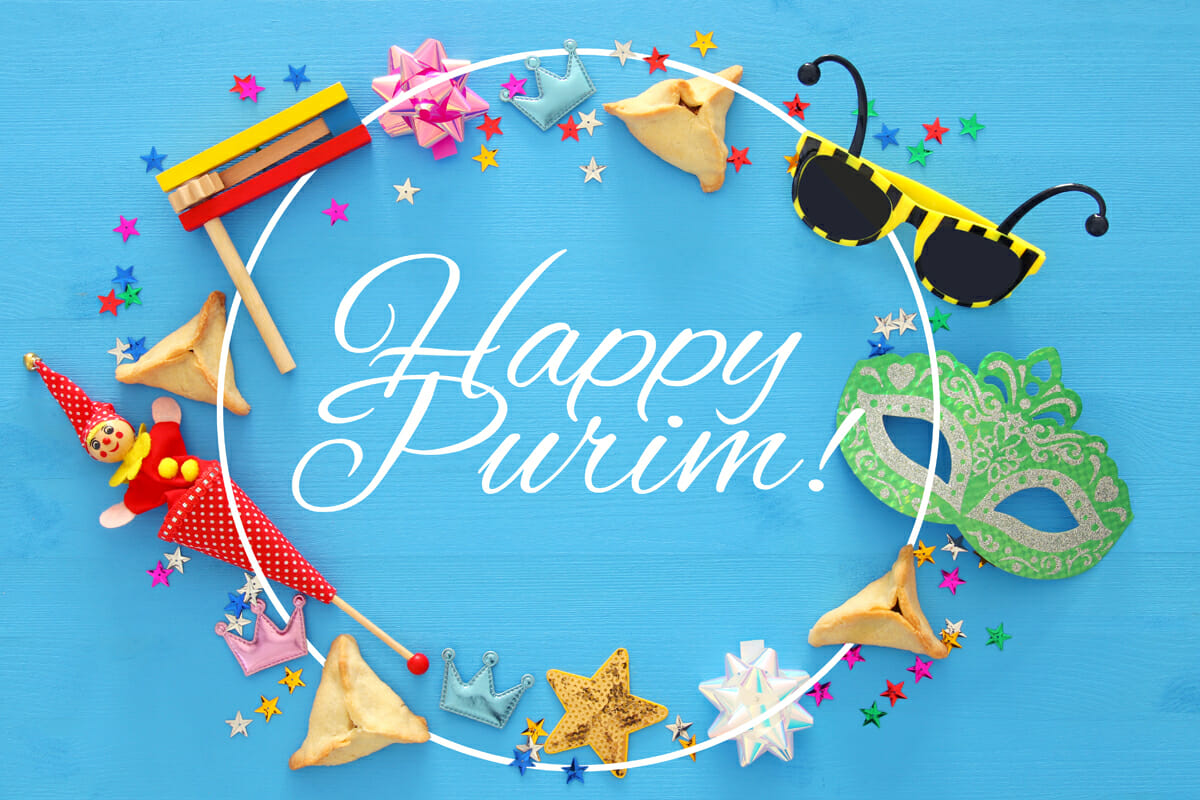
In about 24 hours, we will be celebrating Purim. Purim is a joyous holiday, celebrating the events described in Megillat Esther. For Rebbe Nachman, the joy we put into celebrating this holiday goes much further than merely lifting our spirits. It has a deeper meaning, as we see in his words below:
א. עַל־יְדֵי שִׂמְחַת פּוּרִים בְּהַמְחָאַת כַּף וְרִקּוּדִין, עַל־יְדֵי זֶה מַמְשִׁיכִין בְּחִינַת קַבָּלַת הַתּוֹרָה בְּנִגְלֶה וְנִסְתָּר, שֶׁהוּא בְּחִינַת הֶאָרָה הַנִּפְלָאָה שֶׁל מָרְדְּכַי וְאֶסְתֵּר, וְזוֹכִין לְקַיֵּם מִצְוַת סְפִירַת הָעֹמֶר כָּרָאוּי, וּמַכְנִיעִין קְלִפּוֹת הָמָן עֲמָלֵק יִמַּח שְׁמָם. וְנִתְבַּטֵּל הַגַּאֲוָה וְהָעֲבוֹדָה זָרָה וְהַכְּפִירוֹת, וְנִמְשָׁךְ אֱמוּנָה גְּדוֹלָה וְחָכְמָה דִּקְדֻשָּׁה וְחַיִּים וַאֲרִיכוּת יָמִים, וּמַמְתִּיקִין כָּל הַדִּינִים וְנִתְבַּטְּלִין כָּל הַגְּזֵרוֹת מִיִּשְׂרָאֵל: (לק”א סי’ י’ אות ח’ ט’)
Our joy and clapping and dancing on Purim make us worthy of receiving the Torah in its two aspects, revealed and hidden. For the great revelation that came about through Mordechai and Esther was “receiving the Torah.” Through this we are able to fulfill the mitzva of counting the Omer in the proper way. The kelipah of Haman the Amalekite (may his name be blotted out) is crushed. The force of pride, idolatry and atheism is broken. Great faith, holy wisdom and true life and length of days are brought into the world. The severity of God’s harsh judgements is sweetened, and all the harsh decrees against Israel are revoked (10:8).
From my perspective, to understand Rebbe Nachman’s words, we must first look back on a passage from the Talmud in tractate Shabbat (88a) which claims the holiday of Purim as a second opportunity for the Jewish nation to accept upon itself the fulfillment of the Torah, this time out of free will.
״וַיִּתְיַצְּבוּ בְּתַחְתִּית הָהָר״, אָמַר רַב אַבְדִּימִי בַּר חָמָא בַּר חַסָּא: מְלַמֵּד שֶׁכָּפָה הַקָּדוֹשׁ בָּרוּךְ הוּא עֲלֵיהֶם אֶת הָהָר כְּגִיגִית, וְאָמַר לָהֶם: אִם אַתֶּם מְקַבְּלִים הַתּוֹרָה מוּטָב, וְאִם לָאו — שָׁם תְּהֵא קְבוּרַתְכֶם. אָמַר רַב אַחָא בַּר יַעֲקֹב: מִכָּאן מוֹדָעָא רַבָּה לְאוֹרָיְיתָא. אָמַר רָבָא: אַף עַל פִּי כֵן הֲדוּר קַבְּלוּהָ בִּימֵי אֲחַשְׁוֵרוֹשׁ, דִּכְתִיב: ״קִיְּמוּ וְקִבְּלוּ הַיְּהוּדִים״ — קִיְּימוּ מַה שֶּׁקִּיבְּלוּ כְּבָר
The Gemara cites additional homiletic interpretations on the topic of the revelation at Sinai. The Torah says, “And Moses brought forth the people out of the camp to meet God; and they stood at the lowermost part of the mount” (Exodus 19:17). Rabbi Avdimi bar Ḥama bar Ḥasa said: the Jewish people actually stood beneath the mountain, and the verse teaches that the Holy One, Blessed be He, overturned the mountain above the Jews like a tub, and said to them: If you accept the Torah, excellent, and if not, there will be your burial. Rav Aḥa bar Ya’akov said: From here there is a substantial caveat to the obligation to fulfill the Torah. The Jewish people can claim that they were coerced into accepting the Torah, and it is therefore not binding. Rava said: Even so, they again accepted it willingly in the time of Ahasuerus, as it is written: “The Jews ordained, and took upon them, and upon their seed, and upon all such as joined themselves unto them” (Esther 9:27), and he taught: The Jews ordained what they had already taken upon themselves through coercion at Sinai.
Rebbe Nachman suggests one element of celebrating with joy on Purim is to reenact our recommitment to Torah out of our desire and effort, not out of a fear of negative consequences if we didn’t. This is exemplified in the mitzvah of counting the Omer, which is the counting to the celebration of the revelation of the Torah at Mount Sinai, the moment of the revealed Torah. Yet we know we cannot live with the revealed alone, with just the surface. We must work to see and accept the hidden. This is a core component of Purim, in that Gd is hidden (not mentioned in the biblical version of the story) and yet we come to reaffirm our acceptance of Torah and Gd.
When we rejoice, we break the hold of darkness that so often plagues us collectively and individually. We sweeten the harshness and find we see the world with our positive sight instead of our negative sight. When we rejoice, we reveal what is often hidden, which is the happiness, contentment and joy of our lives. The darkness easily overtakes the light and so we need to put in the effort to turn that around.
In working with people on their spiritual challenges and fostering spiritual growth, part of my role is to help bring out that which is hidden, making it into something revealed. Once we reveal the hidden, the depth of what we want, we can then begin to plan and implement the changes we want to make in our lives.
May this Purim be a time of bringing forth the hidden in our lives, bringing positive feelings to the surface and breaking the hold of the darkness which is hindering our true growth.
Are you struggling with your spiritual growth? Faith? Feeling lost in the midst of the journey of life? Contact New Beginnings Spiritual Coaching and Consulting LLC at 732-314-6758 ext. 100 or via email at newbeginningsspiritualcoach@gmail.com
 New beginnings: A blog about spirituality, chaplaincy and renewal