Shavuot – Judgment Day for Torah Study

I know what you are thinking right now. We aren’t near Rosh Hashanah; Isn’t the upcoming holiday Shavuot, the holiday celebrating the giving of the Torah. Why are you posting an image of judgment scales, which would be more appropriate to share in a few months for Rosh Hashanah? Wouldn’t this be a better picture to depict Shavuot?
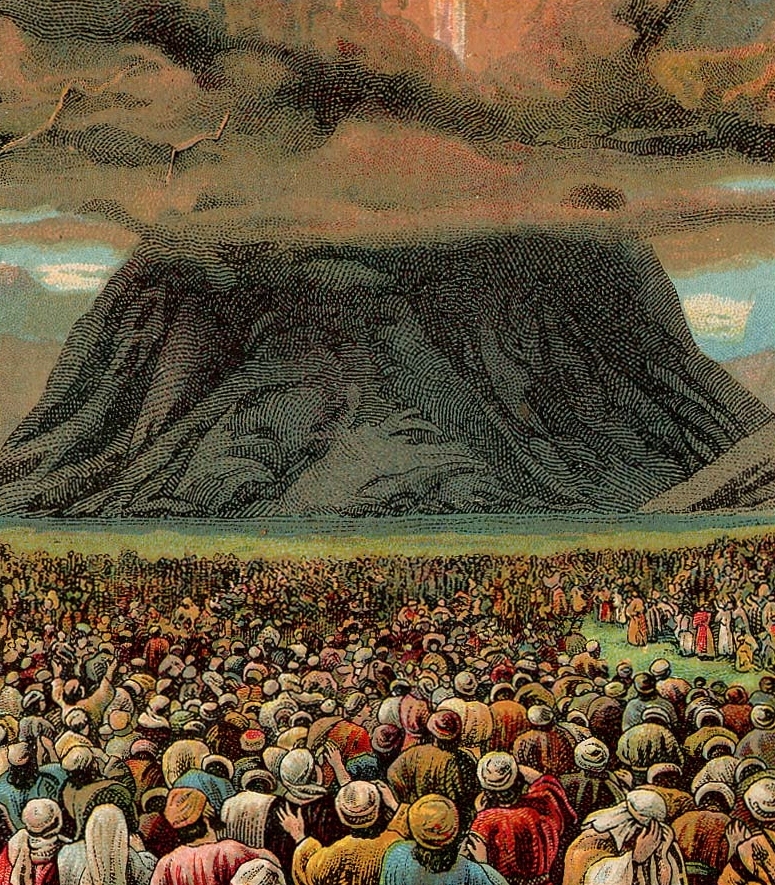
Yet, if we examine a recently I came across fromom the Shlah HaKadosh (R. Isaiah Horowitz), we would see that the celebration of receiving the Torah and the scales of judgment work come together. He writes (Aseret HaDibrot, Shavuot):

חייב אדם לשמוח בזה החג ביותר, כי הוא יום שזכינו בו לכתר תורה. ובפסחים פרק אלו דברים (סח, ב), הכל מודים בעצרת דבעינן נמי לכם. מר בריה דרבינא יתיב כולא שתא בתעניתא, בר מעצרתא ויומי דפוריא כו’. רב יוסף ביומא דעצרתא עבד ליה עגלא תילתא, אמר, אי לאו ההוא יומא כמה יוסף איכא בשוקא. מכל מקום גילו ברעדה כתיב (תהלים ב, יא), והשמחה אשר שמח תהיה שמחה רוחניית והודות והלל להשם יתברך שנתן לנו התורה, מתעורר מאוד בלבו להתקדש ולתקן מעשיו ולהיות מוכתר בכתר תורה לקיים (יהושע א, ח) והגית בו יומם ולילה, כי היום הקדוש הזה הוא יומא דדינא:

וזה לשון תולעת יעקב דף נ”ח, ודע כי כמו שבראש השנה רצה הקדוש ברוך הוא להשגיח ולדרוש מעשה בני אדם כי הוא יום הבריאה הראשונה וחדוש העולם, וכמו שתקנו לומר זה היום תחלת מעשיך כדברי רבי אליעזר שאמר בתשרי נברא העולם (ר”ה ח, א), כן רצה ביום מתן תורה שהוא מורה על החדוש העולם להשגיח ולדרוש על מעשה העולם ולדונו על פירות האילן, כדאיתא בפרק קמא דראש השנה (טז, א) בארבע פרקים העולם נידון כו’, בעצרת על פירות האילן. וכבר ביארנו כי הפירות ההם הם הנשמות הפורחות מאילנו של הקדוש ברוך הוא, והעולם נידון ביום זה על התורה שנתנה בו שבטלו עצמה ממנה והוא אמרם על פירות האילן בלא השלימם בתורה ובמצות כראוי.

To Summarize: Shavuot is a day of celebrating receiving the crown of Torah. It is a day of rejoicing, a day dedicated to the spiritual rejoicing we experienced in receiving the Torah. The day is a time to renew our commitment to Torah study and enwrapping ourselves in the beauty of Gd’s word. It is the time we have the opportunity to renew this coronation. As such, it is a judgment day like Rosh Hashanah. This is based on the Mishnah from Rosh Hashanah (1:2), which says:

בְּאַרְבָּעָה פְרָקִים הָעוֹלָם נִדּוֹן, בְּפֶסַח עַל הַתְּבוּאָה, בַּעֲצֶרֶת עַל פֵּרוֹת הָאִילָן, בְּרֹאשׁ הַשָּׁנָה כָּל בָּאֵי הָעוֹלָם עוֹבְרִין לְפָנָיו כִּבְנֵי מָרוֹן, שֶׁנֶּאֱמַר (תהלים לג) הַיּוֹצֵר יַחַד לִבָּם, הַמֵּבִין אֶל כָּל מַעֲשֵׂיהֶם. וּבֶחָג נִדּוֹנִין עַל הַמָּיִם:

At four times of the year the world is judged: On Passover judgment is passed concerning grain; on Shavuot concerning fruits that grow on a tree; on Rosh HaShana, all creatures pass before Him like sheep [benei maron], as it is stated: “He Who fashions their hearts alike, Who considers all their deeds” (Psalms 33:15); and on the festival of Sukkot they are judged concerning water, i.e., the rainfall of the coming year.

Shavuot, Azteret, is the day the world is judged concerning fruits that grow from a tree. Reading this Mishnah with an eye towards the mystical, the spiritual, The Shlah suggests that the Torah, which is considered the Tree of Life, bears the fruits that result from our study and effort. What does all of this mean? How do we get judged on our intellectual output and what are we supposed to do to have a “favorable” judgment?

Reflecting on the bolded question, what keeps coming back to mind is the word effort. We are judged not on what we produce, but the effort we exert. Yes, there is a goal and desire to come up with novel, unique, deep approaches in our learning. But, this isn’t the goal and message of Shavuot. Rather, the goal is strengthening our daily connection to the Torah, to the gift and beauty of the corpus that is Gd’s word, Gd’s revealed “self” to the world. The goal of Shavuot is that this holiday is the moment each year we recommit to planting the seeds of deepening our desire to study daily. Through study, through connecting to Gd’s essence, we recommit to upholding one of the foundational points of the world (as we see from these words of Pirkei Avot (1:2)):

שִׁמְעוֹן הַצַּדִּיק הָיָה מִשְּׁיָרֵי כְנֶסֶת הַגְּדוֹלָה. הוּא הָיָה אוֹמֵר, עַל שְׁלשָׁה דְבָרִים הָעוֹלָם עוֹמֵד, עַל הַתּוֹרָה וְעַל הָעֲבוֹדָה וְעַל גְּמִילוּת חֲסָדִים:

Shimon the Righteous was one of the last of the men of the great assembly. He used to say: the world stands upon three things: the Torah, the Temple service, and the practice of acts of piety.

When we exert effort, we are deserving of the crown of Torah. When we do our due diligence, when we put our effort in, we will see the results. To quote from a recent podcast/shiur from a friend, who was quoting from a former US President, Ask Not What Hashem Can Do For You, But What You Can Do For Hashem.

May we find that on Shavuot, whatever we learn, whenever we learn, that this holiday be one in which we recommit to our desires for spiritual and intellectual growth, putting in just a little bit more effort than we usually do, for with that effort we will find ourselves taking that most important first step forward to a New Beginning in our relationship to our spirituality and our faith.

Looking to discover your more authentic, spiritually focused self? Let me help you along this path! Contact New Beginnings Spiritual Coaching and Consulting LLC at 732-314-6758 ext. 100 or via email at newbeginningsspiritualcoach@gmail.com

Who is The Real Me

Late yesterday, I updated my Facebook profile picture and cover photo to reflect who I am currently. Interesting that this change got a lot of reactions from my social media feed. This lesson in social media ties into something that I have been thinking about, “who is the real me?” This question relates to how we portray ourselves in public vs. how we see ourselves in private. We live in a very public, open world in our digital age. We live in a world where the majority of us are not just sharing public and private personas in our small communities. Living in a global community requires an increased consciousness of what we want others to see and that most likely moves us further away from our true, inner self that we often show in the privacy of our homes. And if I were to be honest, this is a challenging state to constantly have to navigate.

When we meet new people, are they showing us the glossy website version of themselves, the deep, troubled version or something in between? Sure, meeting a new person and expecting an instant trust is hard to ask of anyone. Yet, why is it that we hide behind an image. We are all guilty of this.

My Spiritual Life Coaching Practice, which is informed by my pastoral/spiritual care training, is also informed by the real, imperfect person that I am. No two people will ever have the same experiences. And, nobody is ever alone in experience, as we all have a well of emotional and spiritual ups and downs we can draw upon to be present with someone else struggling. I believe that if we are to help others discover hope, meaning, New Beginnings in a transitional period in life, we have to meet them from the place of our humanness and vulnerability. We must maintain boundaries with each other and we must find a way to build the trust needed to explore and effect the changes we are looking for when engaging a professional to help in our self discovery.

As I write these words, I realize how so much of this notion of showing the “real” me is predicated on trusting myself to be OK and compassionate to the real, imperfect self that I am. My belief is that each of us is masking our true, real selves behind a mask because we aren’t OK with who we are. Too many of us don’t like the person we see in the mirror, even though we wish we could. And yes, that last line is channeled from an interesting albeit strange self-help practice call the High Five Habit, in which we develop a notion of self-compassion and confidence through literally offering ourselves a high five each morning in the mirror.

May today be the day we begin to foster our self-compassion, trust and acceptance of the person we see in the mirror and may this person be the person we share with others.

Looking to discover your more authentic, spiritually focused self? Let me help you along this path! Contact New Beginnings Spiritual Coaching and Consulting LLC at 732-314-6758 ext. 100 or via email at newbeginningsspiritualcoach@gmail.com

Audio – Lessons in Tanya 82

Beginning of Chapter 43. We continue to focus on the notion of fear/awe of Gd. This section goes deeper into the distinction between “lower” fear and “upper” fear. Additionally, once we suggest that fear/awe are experienced in two different modalities, he circles back to love of Gd, suggesting a similar dichotomy between this worldly love (Ahavat Olam) and “great” love (Ahavah Rabba). We also discuss how these categories are part of a continuum as it relates to our spiritual growth.

Episode 82

All episodes can also now be heard on Apple Podcasts – here

Do you want to work on taking the actions of your life and find meaning in all you do and who you are? Are you struggling with your spiritual growth. Contact New Beginnings Spiritual Coaching and Consulting LLC at 732-314-6758 ext. 100 or via email at newbeginningsspiritualcoach@gmail.com

My Precious – Time

I am fan of Lord of the Rings. And of course, one of the iconic lines/scenes is when we see Smeagol find the Ring to Rule them All and begin to refer to it as “my precious.”

Do we cherish Time in the same way? For us, time is the true precious. It is a blessing and a curse. It is the most valuable thing we have and yet, we are cursed with so little of it. How do we treat time? Do we see every minute as “our precious” or do neglect it and let it slip away from us?

I was reminded of these questions when reading this short blog post from Seth Godin’s website

No time to waste

Of course there isn’t.

Time is all we’ve got.

Time is all there is.

We can’t waste time because it’s not ours to waste. It’s simply the way we keep track of everything else.

Everyday we struggle to maximize our time, to build in time to grow, to change, to be productive, to experience life and all it has to offer. Every so often it is important to remind ourselves of the preciousness of every moment.

May today be a day of reflecting on how we best use our time! May this process of reflection help you find your New Beginning!

Are you or someone you know struggling to maintain one’s spiritual growth? Are you looking for strategies to maximize your time and energy? Contact New Beginnings Spiritual Coaching and Consulting LLC at 732-314-6758 ext. 100 or via email at newbeginningsspiritualcoach@gmail.com

Spiritual Honesty

I recently came across a powerful comment from Lessons in Tanya that I believe is important to reflect upon:

Now, we are constantly taught that one should be wary of spiritual intentions which outstrip one’s current spiritual pace; spirituality must be earned in an environment of honesty.

Lessons in Tanya, Vol. 2 p. 616

Spiritual growth, like all other areas of life, requires goals. Who do we want to be? How do we get there? What path should we take? We have desires for being different, more connected to the divine, to Gd, to our inner self. Yet, growth is a not a 0-60 in 3 seconds endeavor. It is a steady, daily process of taking step after step, rising slightly more each and every day. The above is a reminder that while we have desires to be an ideal self, we must strive towards it, not force it forward, for speeding things up is fraught with dangers of falling hard and fast.

Today, take the first step towards your goal. Don’t rush, don’t let the desire for growth push you towards taking shortcuts. Move forward step by step, day by day and you will find true Spiritual Honesty.

Are you or someone you know struggling to maintain one’s spiritual growth? Are you looking for strategies to stay along a path and jump too far forward? Contact New Beginnings Spiritual Coaching and Consulting LLC at 732-314-6758 ext. 100 or via email at newbeginningsspiritualcoach@gmail.com

Rebbe Nachman’s Advice # 21 – Maintaining Simple Faith

As we have seen in many of my previous posts reflecting on Rebbe Nachman’s words, his approach is one of “simplicity” which is often misunderstood for lacking depth. Rather, it is an approach to faith that tries to remove all aspects of intellectualism as it pertains to harming our sense of belief. Most of us, this author included, struggle to balance the desire to investigate and reflect deeply while also maintaining a child-like innocence in how we see faith and belief. This includes the consumption of deep, intellectually stimulating works. As we see in the below piece, Rebbe Nachman clearly states that delving into philosophy is “destructive.”

מז. וְצָרִיךְ לִזָּהֵר מְאֹד שֶׁלֹּא לְהַבִּיט כְּלָל בַּסְּפָרִים הַמְדַבְּרִים מֵחֲקִירוֹת, כִּי הֵם מַזִּיקִים וּפוֹגְמִין מְאֹד אֶת הָאֱמוּנָה הַקְּדוֹשָׁה. וּכְבָר מְבֹאָר זֶה בְּכַמָּה מְקוֹמוֹת, אַךְ צָרִיךְ לִכְפֹּל כַּמָּה פְּעָמִים אַזְהָרָה זֹאת לְבַל יֹאבַד עוֹלָמוֹ כְּרֶגַע חַ”ו: (שם)

One has to greatly distance oneself even from the philosophical works. Such works are very damaging to faith. Now, it has already been explained in various places [in our teachings], yet it is necessary to repeat this again and again, to save oneself from destruction, God forbid (Ibid.).

I believe that Rebbe Nachman is categorizing philosophical works as those which are written to undermine faith, not works which offer a deeper and richer read of the beauty of Gd’s world. Further, if we take a statement like this in the context of the times he is living, there is clearly an Anti-Enlightenment polemic. And finally, we see that for Rebbe Nachman, there was a struggle. For those who have studied his Likkutei Moharan, you see a deeply thoughtful person who offers a depth to spirituality. It is not exactly a book of “simplicity.” I would even suggest that Likkutei Etzot, the book we are drawing these lessons from, was an approach to simplifying the message. Yet, there was a strong storytelling tradition, in which he taught deep ideas through the tales he crafted. His theory was that the story carried the simplicity and sophistication he wanted simultaneously.

For my purposes though, I think there is something more fundamental we can learn from this passage. We are by nature curious. Curiosity is valuable. And knowledge is important. Yet, in order to live a life of faith, there are times when we need to shift away from the intellectual exercises and the overthinking and just be. It is at this juncture that our actions, speech (prayers) and thoughts go from something in the mind to something coming from the depths of our humanity.

Yes, be a reader. Be a thinker. And be a person who continuously cultivates one’s faith in a way that it is not fractured, that it is as close to whole as possible. This is not easy. It is fraught with many potential pitfalls. And one need not go it alone. Find others who are on the same path and strength one another in this approach.

Are you struggling with your spiritual growth? Faith? Feeling lost in the midst of the journey of life? Contact New Beginnings Spiritual Coaching and Consulting LLC at 732-314-6758 ext. 100 or via email at newbeginningsspiritualcoach@gmail.com

Rebbe Nachman’s Advice # 20 – Verbalizing Our Desire to be Believing People

It is not simple to be faithful, believing people. The world is complicated. We constantly read about the negative things going on in the world. And even when we read something uplifting and positive, it is easy to fall back into the skeptical, when is the other shoe going to drop mode. We wish we could see things positively but it is quite difficult. Even with all the tools at our disposal, the self-help tips, etc. we still don’t have a single solution other than constant vigilance. Interestingly, Rebbe Nachman offers an approach to strengthening/reinforcing our sense of faith that is simple and profound. He suggests:

מה. הָאֱמוּנָה תּוֹלָה בַּפֶּה שֶׁל הָאָדָם, שֶׁצְּרִיכִין לְדַבֵּר הָאֱמוּנָה בַּפֶּה, כְּמוֹ שֶׁכָּתוּב: “אוֹדִיעַ אֱמוּנָתְךָ בְּפִי”. וְעַל־כֵּן כְּשֶׁאָדָם נוֹפֵל מֵאֱמוּנָה חַ”ו, עֵצָה לָזֶה – שֶׁיְּדַבֵּר הָאֱמוּנָה בְּפִיו, שֶׁיֹּאמַר בְּפֶה מָלֵא שֶׁהוּא מַאֲמִין וְכוּ’. כִּי זֶה בְּעַצְמוֹ שֶׁמְּדַבֵּר בְּפִיו דִּבּוּרֵי אֱמוּנָה, זֶה בְּעַצְמוֹ הוּא בְּחִינַת אֱמוּנָה. גַּם עַל־יְדֵי זֶה זוֹכֶה לָבוֹא לֶאֱמוּנָה שְׁלֵמָה, כִּי הָאֱמוּנָה תּוֹלָה בַּפֶּה שֶׁל אָדָם כַּנַּ”ל: (לק”ת סי’ מד)

Faith depends on a person’s mouth. We must say we believe — say it out loud! As it is written in the Psalms (89:1) “I will make known Your faithfulness with my mouth.” When a person has a crisis of faith, or even passing doubts, it is very good if he says out loud: “I believe.” Just expressing your faith in words is itself one kind of faith. Through doing this you can come to genuine faith (44).

Very simply, if you want it, verbalize it. Of course, if things were only this simple most of us would not be in this struggle. As such, what is underlying this suggestion?

When we verbalize our thoughts, first and foremost we are narrowing our focus through the words we choose to use. Thoughts can get jumbled and go all over the place. Speaking forces us to hear aloud the thoughts and begin to grapple with them. When it comes to faith and doubt, our mind goes through multileveled analysis, oscillating between faith and skepticism. While it is true we can say “I believe” and not really believe, once we speak those words, we begin to find it a bit harder to maintain the skepticism. Most of the time, our ideal self prefers not to be seen as a lier, even if one is alone.

To me, this verbalization is the concretization of our thoughts and feelings. When we declare to ourselves, I do believe, we are claiming that faithful side for ourselves. Does it get rid of the skepticism? No! But it does begin to guide us towards having genuine faith for it opens the door for us.

If perhaps you are struggling with your faith and desire to strengthen this part of yourself, I would suggest this as another tool to bring to the table along your journey along a path of faith and belief.

Are you struggling with your spiritual growth? Faith? Feeling lost in the midst of the journey of life? Contact New Beginnings Spiritual Coaching and Consulting LLC at 732-314-6758 ext. 100 or via email at newbeginningsspiritualcoach@gmail.com

Rebbe Nachman’s Advice # 17 – When Silence is the Epitome of Faith

Much of life is the struggle of our sense of control (The introduction to the Breslov Haggadahfree download here – presents a read of the sin of Adam and Eve as a sin presuming humanity has “real” control). We tend to believe we are in control of everything. Each of us struggles with this sense of self. Part of our expression of this control comes from our speech. While it is often important to speak up to protect ourselves, it is not without consequence. We find ourselves regularly in conflict with each other. This is true, even when we are right. Because being right can have unintended consequences.

In this piece from Rebbe Nachman, I find an approach to how we can overcome the sense of control we often struggle with. It comes from the importance of cultivating our ability to be silent.

לז. עַל־יְדֵי מַחְלֹקֶת, עַל־יְדֵי זֶה נוֹפְלִים מַחֲשָׁבוֹת שֶׁל רְשָׁעִים שֶׁהֵם מַחֲשָׁבוֹת שֶׁל כְּפִירוֹת עַל אֲנָשִׁים כְּשֵׁרִים. וְהַתִּקּוּן לָזֶה, שֶׁיִּשְׁתֹּק וְיִמְסֹר הַמִּלְחָמָה לַה’: (לק”א סי’ רנ”א)

Controversy and divisiveness can cause even God-fearing people to start having doubts about their beliefs. The answer is to be silent. And to leave the battle to the Lord (251).

Silence is not merely a passive state of allowing someone to take advantage or to trample over you. Here, Rebbe Nachman is suggesting that silence is a deliberate practice of realizing that very often, even if we think our approach might be the better approach, it is important to practice restraint and it is important to recognize that while we might think we are right, maybe the way we want to approach the situation requires a different, thought out strategy. Faith is recognizing that we don’t really know. Faith is often taking a step back and allowing things to play out instead of trying to force a situation into a certain box.

Spiritual growth is a constant approach of striving forward. To strive forward we need to work on our ability to cultivate connection and peacefulness. We cannot grow if things around us are broken, are divided. Sometimes these breaks are real and sometimes they are perceived to be broken. And sometimes the brokenness comes because we react instead of taking a moment, being in silence, and seeing the situation for its broader implications.

May each of us learn the art of silence as an act of expressing our faith.

Are you struggling with your spiritual growth? Faith? Feeling lost in the midst of the journey of life? Contact New Beginnings Spiritual Coaching and Consulting LLC at 732-314-6758 ext. 100 or via email at newbeginningsspiritualcoach@gmail.com

Rebbe Nachman’s Advice # 16 – Working towards Seeing is Believing

This week’s Torah portion, Ki Tissa, brings us to the story of Israel’s almost cataclysmic choice, the fashioning and worshipping of the Golden Calf, the Egel HaZahav. While there is a debate about whether the idol was to replace Gd or Moses or perhaps even both, there is an interesting, underlying spiritual question regarding the story. There is a famous statement, Seeing is Believing, yet how often is this statement proven false. In the story of the worshipping of the Golden Calf, this idea is proven false, for the Israelites had experienced Gd’s miracles and heard Gd’s “voice” and yet a short time later they fall into this ultimate of violations of faith.

If seeing is believing is not an absolute reality, how come this is a go to statement for so many. Sure, we often use it sarcastically, but within the sarcasm must be a modicum of believing it to be true. Perhaps, we can suggest an approach from Rebbe Nachman. I present two quotes from Likkutei Etzot about making our faith so strong that it is as if we are really seeing it (and See here (Rebbe Nachman’s advice # 10) for a parallel text and my thoughts):

עִקַּר שְׁלֵמוּת הָאֱמוּנָה הוּא, שֶׁיִּתְחַזֵּק בֶּאֱמוּנָה חֲזָקָה כָּל כָּךְ עַד שֶׁתִּהְיֶה בְרוּרָה וְזַכָּה מְאֹד, עַד שֶׁיִּהְיֶה דּוֹמֶה בְּעֵינָיו כְּאִלּוּ רוֹאֶה בְּעֵינָיו מַמָּשׁ הַדָּבָר שֶׁמַּאֲמִין בּוֹ, וְכַמְבֹאָר לְעֵיל (בְּאוֹת ל”ב [צ”ל אוֹת כ”ח]): (לק”א סי’ רל”ד)

Faith must be a complete and very clear faith, such that because of his faith it seems to him as if his eyes see the very thing he believes in

Likkutei Etzot Truth and Faith # 36

כְּשֶׁאָדָם חָזָק בֶּאֱמוּנָה מְאֹד, זוֹכֶה אַחַר כָּךְ לָבוֹא אֶל הַשֵּׂכֶל, וְכָל מַה שֶׁמַּחְזִיק אֶת עַצְמוֹ בֶּאֱמוּנָה יוֹתֵר, בָּא אֶל שֵׂכֶל יוֹתֵר. כִּי הַדָּבָר שֶׁהָיָה צָרִיךְ מִתְּחִלָּה לְהַאֲמִין מֵחֲמַת שֶׁלֹּא הֵבִין הַדָּבָר, זוֹכֶה אַחַר כָּךְ לַהֲבִינוֹ בְּשֵׂכֶל עַל־יְדֵי אֱמוּנָתוֹ הַחֲזָקָה. אַךְ אַחַר כָּךְ יֵשׁ לוֹ דְּבָרִים גְּבוֹהִים יוֹתֵר, שֶׁהֵם נִסְתָּרִים מִמֶּנּוּ וְאֵינוֹ יָכוֹל לַהֲבִינָם בְּשֵׂכֶל, וַאֲזַי צָרִיךְ לְהִתְחַזֵּק אֶת עַצְמוֹ יוֹתֵר בֶּאֱמוּנָה, לְהַאֲמִין בְּמַה שֶּׁנִּסְתָּר מִמֶּנּוּ עַתָּה וְאֵינוֹ מֵבִין בְּשֵׂכֶל, עַד שֶׁיִּזְכֶּה לְהָבִין גַּם אֵלּוּ הַדְּבָרִים בְּשֵׂכֶל, וְכֵן לְעוֹלָם. אֲבָל לָזֶה צָרִיךְ לִהְיוֹת הָאֱמוּנָה חֲזָקָה מְאֹד מְאֹד עַד שֶׁתִּתְפַּשֵּׁט הָאֱמוּנָה בְּכָל הָאֵיבָרִים, וְאָז יוּכַל לִזְכּוֹת לָבוֹא אֶל הַשֵּׂכֶל עַל־יְדֵי הָאֱמוּנָה כַּנַּ”ל: (לק”א סי’ צ”א)

If you are very strong in your faith you will eventually reach understanding of what you believe in. The stronger your faith the greater your understanding will be. At the outset you have no option but to have faith because you cannot understand the matter rationally. Through faith you will come to understand it. Except that then there will be new, more exalted levels which are still hidden from you and beyond your ability to understand rationally. Here again you will have to make the effort to believe. You must always have faith in the levels that are hidden from you. In the end you will understand them also. And so the process goes on. The main thing is that your faith must be so strong that it spreads to all your limbs. This faith will bring you to true wisdom (91).

Likkutei Etzot Truth and Faith # 32

Rebbe Nachman is suggesting that our life goal should be the constant work around strengthening our faith. We cannot just go through life and presume we will have the belief and fortitude to overcome moments that challenge us. We have to prepare, we have to work on it. We have to study and reflect on what it means when we say we believe or we have faith in… Is it just words or is it part of our essence? And, from his words, it seems like even when it is something that is seemingly well established, we must continue to work on it.

I can imagine that for the Israelites, it is this latter point which was a problem. They were witness to things that are improbable/impossible. They experienced miracles that the world has never seen. And yet, that wasn’t enough because the experiences needed constant reinforcement. Sure, one could argue that the Torah’s story presumes that they saw regular “miracles” like the manna and the protective clouds around the encampment. Nevertheless, regular “miracles” lose potency over time; they become routine. Once they become routine, the inspiration dissipates.

When life becomes routine, we lose the inspiration to grow. When we purposefully work on seeing and experiencing the simple inspirations in life, we can maintain and grow in our sense of awe at the wonders of the world. Faith is a constant goal. And if we constantly strive, perhaps we really will have seeing is believing moments. May we merit to have times when we are open to truly seeing the beauty of our path, our journey.

Are you struggling with your spiritual growth? Faith? Feeling lost in the midst of the journey of life? Contact New Beginnings Spiritual Coaching and Consulting LLC at 732-314-6758 ext. 100 or via email at newbeginningsspiritualcoach@gmail.com

Audio – Lessons in Tanya 55

Chapter 34. This chapter continues on the theme of experience spiritual joy. The focus of this chapter is the Alter Rebbe’s approach to the phrase Bilvavi Mishkan Evneh, Building a Sanctuary in our Hearts. We explore how we can be vessels for the divine through our study of Torah. Gd dwells in the 4 cubits of halachah, in study and action. We explore holding the multiplicity of emotions of joy and sadness. And I conclude with a short piece on the connection between Purim and Passover. This chapter completes the first volume of the five volume set of Lessons in Tanya.

Episode 55

All episodes can also now be heard on Apple Podcasts – here

Do you want to work on taking the actions of your life and find meaning in all you do and who you are? Are you struggling with your spiritual growth. Contact New Beginnings Spiritual Coaching and Consulting LLC at 732-314-6758 ext. 100 or via email at newbeginningsspiritualcoach@gmail.com