Genesis begins with God creating the world, heaven and earth, with everything being in a state of chaos.
בְּרֵאשִׁ֖ית בָּרָ֣א אֱלֹהִ֑ים אֵ֥ת הַשָּׁמַ֖יִם וְאֵ֥ת הָאָֽרֶץ׃
When God began to create heaven and earth—
וְהָאָ֗רֶץ הָיְתָ֥ה תֹ֙הוּ֙ וָבֹ֔הוּ וְחֹ֖שֶׁךְ עַל־פְּנֵ֣י תְה֑וֹם וְר֣וּחַ אֱלֹהִ֔ים מְרַחֶ֖פֶת עַל־פְּנֵ֥י הַמָּֽיִם׃
the earth being unformed and void, with darkness over the surface of the deep and a wind from God sweeping over the water—
Genesis 1:1-2
Many different ideas have been learned and extrapolated from these first two verses alone. I would like to offer another thought, one which has been sitting in my heart for some days. It was inspired by a quote fromfrom Torah Studies, an adaptation of lessons delivered by Rabbi Menachem Mendel Schneerson o.b.m. presented by Rabbi Lord Jonathan Sacks o.b.m. (from his days before being Chief Rabbi of Great Britain). (I originally received this book as a Bar Mitzvah gift many years ago and have recently begun reading parts of it again).
The essay on Genesis reflects upon:
In the chronicling of creation, one detail strikes us with the force of mystery: Why was light created before everything else, when there was nothing to benefit from it? The Rabbinical explanation only adds to the mystery, for we are told that the light was immediately “hidden for the righteous in the world to come.” The Rebbe explains the difficulty and elucidates the implications of the creation narrative for the individual and the conduct of his life.
https://www.chabad.org/therebbe/article_cdo/aid/110297/jewish/Torah-Studies-Bereishit.htm
As part of this analysis, R. Schneerson presents a piece regarding a rabbinic idea that when Gd created the world, Gd “looked” into the Torah as if the Torah was the blueprint of the world. In R. Schneerson’s words (as presented by R. Sacks):
To resolve these difficulties we must consider a remark made by the Midrash: “Just as a king wishing to build a palace does not do so spontaneously but consults architect’s plans, so G‑d looked into the Torah and created the world.”
In other words, by examining the order in which a man sets about making something which requires planning and forethought, we can learn something of G‑d’s order in bringing the world into being.
https://www.chabad.org/therebbe/article_cdo/aid/110297/jewish/Torah-Studies-Bereishit.htm
Or, more precisely, the Midrash states:
דָּבָר אַחֵר אָמוֹן, אֻמָּן. הַתּוֹרָה אוֹמֶרֶת אֲנִי הָיִיתִי כְּלִי אֻמְנוּתוֹ שֶׁל הַקָּדוֹשׁ בָּרוּךְ הוּא, בְּנֹהַג שֶׁבָּעוֹלָם מֶלֶךְ בָּשָׂר וָדָם בּוֹנֶה פָּלָטִין, אֵינוֹ בּוֹנֶה אוֹתָהּ מִדַּעַת עַצְמוֹ אֶלָּא מִדַּעַת אֻמָּן, וְהָאֻמָּן אֵינוֹ בּוֹנֶה אוֹתָהּ מִדַּעַת עַצְמוֹ אֶלָּא דִּפְתְּרָאוֹת וּפִנְקְסָאוֹת יֵשׁ לוֹ, לָדַעַת הֵיאךְ הוּא עוֹשֶׂה חֲדָרִים, הֵיאךְ הוּא עוֹשֶׂה פִּשְׁפְּשִׁין. כָּךְ הָיָה הַקָּדוֹשׁ בָּרוּךְ הוּא מַבִּיט בַּתּוֹרָה וּבוֹרֵא אֶת הָעוֹלָם, וְהַתּוֹרָה אָמְרָה בְּרֵאשִׁית בָּרָא אֱלֹהִים. וְאֵין רֵאשִׁית אֶלָּא תּוֹרָה, הֵיאַךְ מָה דְּאַתְּ אָמַר (משלי ח, כב): ה’ קָנָנִי רֵאשִׁית דַּרְכּוֹ.
Alternatively, amon means “artisan.” The Torah is saying, “I was the artisan’s tool of Hashem.” In the way of the world, a king of flesh and blood who builds a castle does not do so from his own knowledge, but rather from the knowledge of an architect, and the architect does not build it from his own knowledge, but rather he has scrolls and books in order to know how to make rooms and doorways. So too Hashem gazed into the Torah and created the world. Similarly the Torah says, “Through the reishis Hashem created [the heavens and the earth],” and reishis means Torah, as in “Hashem made me [the Torah] the beginning (reishis) of His way” (Mishlei 8:22).
Genesis Rabbah 1:1
In reading this piece, I was struck with an alternative question to the one that drives the essay. I was wondering, if Gd had used the Torah as a blueprint, how does that jive with the notion of chaos, unformed and void, that we read about in the second verse of the Torah? When a person has a blueprint, while the outcomes might not be known, the picture presented should be clear enough to have some form and substance.
In reflecting on this, I realized that the answer was sitting in from of me. Any creative act we have has multiple blueprints throughout the process. As someone who enjoys writing and tries to present ideas in the word form, this resonated for me in the following manner.
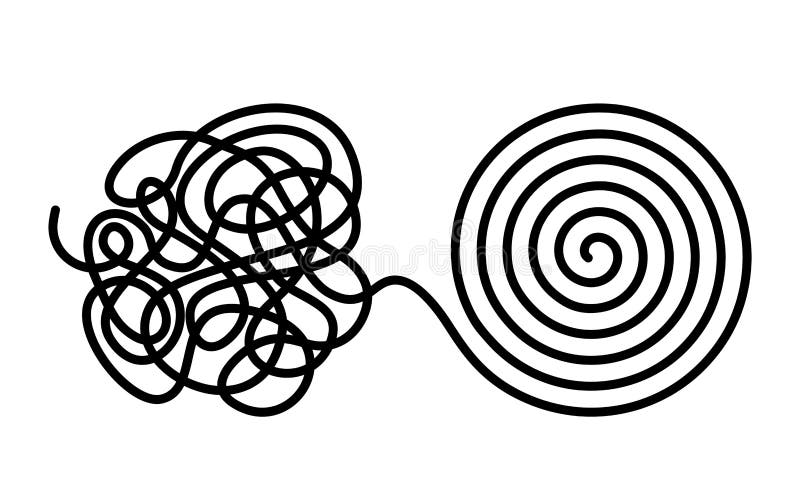
The initial idea for something is a jumble of thoughts in my head with some fundamental connector between the ideas. Often this chaos is so distorted that the words don’t even begin to flow. As I continue to write and reflect, the idea becomes clearer in my conscious. It then begins to take shape into a new blueprint, but even that blueprint is not the complete product. Rather it is a more orderly picture of what message to convey and how to convey it. This continues on and on until the product is “complete.”
The story of Genesis reflects this same creative process to us. Gd has a blueprint. Gd “creates” heaven and earth. The picture becomes clearer but is still chaos. Then Gd begins to place things in a certain order, starting with “light” and concluding with rest (the Sabbath. Rest, the cessation from creation, is the real last created thing described, not the human being, a topic unto itself).
All new beginnings start from an idea, a blueprint, but often a blueprint that is chaos by its nature. In order to achieve, we have to work and work to improve and hone the blueprint to something that is orderly and clear.
 New beginnings: A blog about spirituality, chaplaincy and renewal