Rebbe Nachman’s Advice # 14 – Purim – Joyfulness overcomes the harshness of life

In about 24 hours, we will be celebrating Purim. Purim is a joyous holiday, celebrating the events described in Megillat Esther. For Rebbe Nachman, the joy we put into celebrating this holiday goes much further than merely lifting our spirits. It has a deeper meaning, as we see in his words below:

א. עַל־יְדֵי שִׂמְחַת פּוּרִים בְּהַמְחָאַת כַּף וְרִקּוּדִין, עַל־יְדֵי זֶה מַמְשִׁיכִין בְּחִינַת קַבָּלַת הַתּוֹרָה בְּנִגְלֶה וְנִסְתָּר, שֶׁהוּא בְּחִינַת הֶאָרָה הַנִּפְלָאָה שֶׁל מָרְדְּכַי וְאֶסְתֵּר, וְזוֹכִין לְקַיֵּם מִצְוַת סְפִירַת הָעֹמֶר כָּרָאוּי, וּמַכְנִיעִין קְלִפּוֹת הָמָן עֲמָלֵק יִמַּח שְׁמָם. וְנִתְבַּטֵּל הַגַּאֲוָה וְהָעֲבוֹדָה זָרָה וְהַכְּפִירוֹת, וְנִמְשָׁךְ אֱמוּנָה גְּדוֹלָה וְחָכְמָה דִּקְדֻשָּׁה וְחַיִּים וַאֲרִיכוּת יָמִים, וּמַמְתִּיקִין כָּל הַדִּינִים וְנִתְבַּטְּלִין כָּל הַגְּזֵרוֹת מִיִּשְׂרָאֵל: (לק”א סי’ י’ אות ח’ ט’)

Our joy and clapping and dancing on Purim make us worthy of receiving the Torah in its two aspects, revealed and hidden. For the great revelation that came about through Mordechai and Esther was “receiving the Torah.” Through this we are able to fulfill the mitzva of counting the Omer in the proper way. The kelipah of Haman the Amalekite (may his name be blotted out) is crushed. The force of pride, idolatry and atheism is broken. Great faith, holy wisdom and true life and length of days are brought into the world. The severity of God’s harsh judgements is sweetened, and all the harsh decrees against Israel are revoked (10:8).

From my perspective, to understand Rebbe Nachman’s words, we must first look back on a passage from the Talmud in tractate Shabbat (88a) which claims the holiday of Purim as a second opportunity for the Jewish nation to accept upon itself the fulfillment of the Torah, this time out of free will.

״וַיִּתְיַצְּבוּ בְּתַחְתִּית הָהָר״, אָמַר רַב אַבְדִּימִי בַּר חָמָא בַּר חַסָּא: מְלַמֵּד שֶׁכָּפָה הַקָּדוֹשׁ בָּרוּךְ הוּא עֲלֵיהֶם אֶת הָהָר כְּגִיגִית, וְאָמַר לָהֶם: אִם אַתֶּם מְקַבְּלִים הַתּוֹרָה מוּטָב, וְאִם לָאו — שָׁם תְּהֵא קְבוּרַתְכֶם. אָמַר רַב אַחָא בַּר יַעֲקֹב: מִכָּאן מוֹדָעָא רַבָּה לְאוֹרָיְיתָא. אָמַר רָבָא: אַף עַל פִּי כֵן הֲדוּר קַבְּלוּהָ בִּימֵי אֲחַשְׁוֵרוֹשׁ, דִּכְתִיב: ״קִיְּמוּ וְקִבְּלוּ הַיְּהוּדִים״ — קִיְּימוּ מַה שֶּׁקִּיבְּלוּ כְּבָר

The Gemara cites additional homiletic interpretations on the topic of the revelation at Sinai. The Torah says, “And Moses brought forth the people out of the camp to meet God; and they stood at the lowermost part of the mount” (Exodus 19:17). Rabbi Avdimi bar Ḥama bar Ḥasa said: the Jewish people actually stood beneath the mountain, and the verse teaches that the Holy One, Blessed be He, overturned the mountain above the Jews like a tub, and said to them: If you accept the Torah, excellent, and if not, there will be your burial. Rav Aḥa bar Ya’akov said: From here there is a substantial caveat to the obligation to fulfill the Torah. The Jewish people can claim that they were coerced into accepting the Torah, and it is therefore not binding. Rava said: Even so, they again accepted it willingly in the time of Ahasuerus, as it is written: “The Jews ordained, and took upon them, and upon their seed, and upon all such as joined themselves unto them” (Esther 9:27), and he taught: The Jews ordained what they had already taken upon themselves through coercion at Sinai.

Rebbe Nachman suggests one element of celebrating with joy on Purim is to reenact our recommitment to Torah out of our desire and effort, not out of a fear of negative consequences if we didn’t. This is exemplified in the mitzvah of counting the Omer, which is the counting to the celebration of the revelation of the Torah at Mount Sinai, the moment of the revealed Torah. Yet we know we cannot live with the revealed alone, with just the surface. We must work to see and accept the hidden. This is a core component of Purim, in that Gd is hidden (not mentioned in the biblical version of the story) and yet we come to reaffirm our acceptance of Torah and Gd.

When we rejoice, we break the hold of darkness that so often plagues us collectively and individually. We sweeten the harshness and find we see the world with our positive sight instead of our negative sight. When we rejoice, we reveal what is often hidden, which is the happiness, contentment and joy of our lives. The darkness easily overtakes the light and so we need to put in the effort to turn that around.

In working with people on their spiritual challenges and fostering spiritual growth, part of my role is to help bring out that which is hidden, making it into something revealed. Once we reveal the hidden, the depth of what we want, we can then begin to plan and implement the changes we want to make in our lives.

May this Purim be a time of bringing forth the hidden in our lives, bringing positive feelings to the surface and breaking the hold of the darkness which is hindering our true growth.

Are you struggling with your spiritual growth? Faith? Feeling lost in the midst of the journey of life? Contact New Beginnings Spiritual Coaching and Consulting LLC at 732-314-6758 ext. 100 or via email at newbeginningsspiritualcoach@gmail.com

Audio – Lessons in Tanya 53

End of Chapter 32. We discuss how to be both loving of our fellow while also potentially feeling hatred. We focus on the need to be close and caring of most to potentially bring them back to the path of spiritual growth and Torah observance. I reflect on how this latter complexity of love and hate living together in a person is about hating the action but finding the “good heart” that exists in most, while also acknowledging that there are situations when this would be almost impossible to do.

Episode 53

All episodes can also now be heard on Apple Podcasts – here

Do you want to work on taking the actions of your life and find meaning in all you do and who you are? Are you struggling with your spiritual growth. Contact New Beginnings Spiritual Coaching and Consulting LLC at 732-314-6758 ext. 100 or via email at newbeginningsspiritualcoach@gmail.com

Rebbe Nachman’s Advice # 13 – Having Faith will help stay the course

Today, I find myself coming back to the issue of faith and trust. Whenever we embark on a new journey, a New Beginning, we embark on a path along the route of the unknown. In truth, we do this every day of our lives, even when we believe that today is no different than yesterday. When we start out the day, we have no idea how the day will go, yet, most of us go about the day presuming things will work themselves out. For example, by the middle of the day, a meeting I had scheduled was changed to an earlier time, a plan I had made was rescinded and I accomplished a couple of things I hadn’t expected when I got up later than I had planned. What allowed me to stay calm was the sense that this was all part of the road I was supposed to be on today.

In the following passage from Rebbe Nachman, we see his perspective on how faith allows us to overcome the obstacles placed before us and the pitfalls that can be felt when we recognize that our faith is not 100 percent. And while today I was able to remain calm enough in the midst of changes, many times, I know the experience of how a change can leave us feeling lost, showing that we are struggling to “trust the process.”

לד. אֱמוּנָה הִיא בְּחִינַת כֹּחַ הַגֹּדֶל וְכֹחַ הַצּוֹמֵחַ וְהִיא בְּחִינַת אֲרִיכַת אַפַּיִם. הַיְנוּ, כְּשֶׁיֵּשׁ לוֹ אֱמוּנָה שְׁלֵימָה, הוּא גֹּדֶל וְצוֹמֵחַ בַּעֲבוֹדָתוֹ יִתְבָּרַךְ אֲפִלּוּ אִם יַעֲבֹר עָלָיו מָה, כִּי אֵין יוּכַל לְבַלְבְּלוֹ שׁוּם בִּלְבּוּל וּמוֹנֵעַ, רַק הוּא מַאֲרִיךְ אַפּוֹ לִסְבֹּל כָּל מַה שֶּׁיַּעֲבֹר עָלָיו. כִּי כָּל הַבִּלְבּוּלִים וְהַמְּנִיעוֹת מֵעֲבוֹדַת הַשֵּׁם מַה שֶּׁאֵינוֹ מִתְקָרֵב לְיִרְאֵי הַשֵּׁם, הַכֹּל הוּא מֵחֲמַת עַצְבוּת וְעַצְלוּת וּכְבֵדוּת שֶׁבָּא מֵחֲמַת חֶסְרוֹן אֱמוּנָה. כִּי אִם הָיָה לוֹ אֱמוּנָה שְׁלֵימָה בְּהָאֱמֶת כָּרָאוּי, בְּוַדַּאי הָיָה רָץ וּמִזְדָּרֵז מְאֹד לְהִתְקָרֵב לָהֶם. וְכֵן מַה שֶּׁאֵינוֹ מִתְפַּלֵּל כָּרָאוּי, הוּא גַּם כֵּן מֵחֲמַת עַצְבוּת וּכְבֵדוּת שֶׁבָּא מֵחֶסְרוֹן אֱמוּנָה, כִּי בְּוַדַּאי אִם הָיָה לוֹ אֱמוּנָה שְׁלֵימָה, וְהָיָה מַאֲמִין שֶׁהַשֵּׁם יִתְבָּרַךְ עוֹמֵד עָלָיו וְשׁוֹמֵעַ כָּל דִּבּוּר וְדִבּוּר שֶׁיּוֹצֵא מִפִּיו וּמַאֲזִין לְקוֹל תְּפִלָּתוֹ, בְּוַדַּאי הָיָה מִתְפַּלֵּל כָּרָאוּי בְּהִתְלַהֲבוּת וְחֵשֶׁק גָּדוֹל. אַךְ עִקַּר בִּלְבּוּל הַתְּפִלָּה הוּא מֵחֲמַת חֶסְרוֹן אֱמוּנָה. וְכֵן כָּל הַהִתְרַחֲקוּת מִצַּדִּיקִים וִירֵאִים וּמֵעֲבוֹדַת הַשֵּׁם בֶּאֱמֶת, הַכֹּל מֵחֲמַת חֶסְרוֹן אֱמוּנָה, שֶׁעַל־יְדֵי זֶה בָּא עָלָיו עַצְבוּת וְעַצְלוּת וּכְבֵדוּת כַּנַּ”ל. אֲבָל כְּשֶׁיֵּשׁ לוֹ אֱמוּנָה שְׁלֵימָה אֵין יָכוֹל לְמֹנְעוֹ שׁוּם דָּבָר, רַק מַאֲרִיךְ אַפּוֹ לִסְבֹּל הַכֹּל, וְגֹדֶל וְצוֹמֵחַ בַּעֲבוֹדַת ה’ אֵיךְ שֶׁיִּהְיֶה: (לק”א סי’ קנ”ה)

Faith contains the power of growth. A person with perfect faith will grow and develop in his devotion to God no matter what he may have to go through. Regardless of the obstacles or difficulties he may encounter, nothing will throw him off course. He will accept whatever he experiences with patience. People who are put off by the obstacles and difficulties which confront them when they try to serve God have a certain lack of faith. They are left with a feeling of heaviness and depression, a lack of enthusiasm. Why is it that people don’t make real efforts to draw closer to those who lead lives of piety and justice? If they really had faith they would run to them as fast as they could. Why do people not pray properly? If they had genuine faith, they would really believe that God stands over them while they are praying and hears every word that emerges from their lips. Then they would pray with tremendous fire and yearning. But instead they are listless and depressed. It is because they lack this real faith. That is why they are far from the Tzaddikim, from the pious and just, and from true devotion to God. When a person has genuine faith nothing can stand in his way. No matter what happens he will grow in the service of God (155).

What is interesting about this passage is that in addition to offering the contrast between the one who has genuine faith to stay the course even when led astray vs. the one who gets overwhelmed and overcome by the obstacles placed in front of him/her, Rebbe Nachman also discusses what real faith would look. If we had genuine faith, we would be more comfortable surrounding ourselves with others who have genuine faith. If we really believed, we would never allow prayer to be something perfunctory. Being truly faithful will allow us to always strive and grow in our spirituality.

Touching on this latter point, I think there is a depth to this statement. When we are frustrated, angry, depressed, sad, how do we react? Do we allow it to take us down, drive us away from our desired path? Do we give up easily? Let’s be real. The answer to all of these questions will be yes at times. It is the rare individual that can always step over the obstacles without losing a step. Most of us struggle with times we get tripped up. Yet, even in those moments, if we can find our pathways for continued spiritual work, whether in prayer, in being in the company of others who are living a faith driven life, or with some other spiritual practice, then we can allow that faith to lead us back to the path we are working towards traversing.

May each of us cultivate this genuine faith in all of the spiritual work we do in our lives.

Are you struggling with your spiritual growth? Faith? Feeling lost in the midst of the journey of life? Contact New Beginnings Spiritual Coaching and Consulting LLC at 732-314-6758 ext. 100 or via email at newbeginningsspiritualcoach@gmail.com

Audio – Lessons in Tanya 52

First part of chapter 52. This episode discusses the Alter Rebbe’s understanding of V’Ahavta Reiacha Kamocha, You should Love your Fellow as Yourself. We explore how this verse is a message of connecting to each other on a soul level, as if all of us are “soulmates.” I point out how this line is a fundamental element of bringing a prayer quorum “together” and the implications of this verse for our spiritual growth.

Episode 52

All episodes can also now be heard on Apple Podcasts – here

Do you want to work on taking the actions of your life and find meaning in all you do and who you are? Are you struggling with your spiritual growth. Contact New Beginnings Spiritual Coaching and Consulting LLC at 732-314-6758 ext. 100 or via email at newbeginningsspiritualcoach@gmail.com

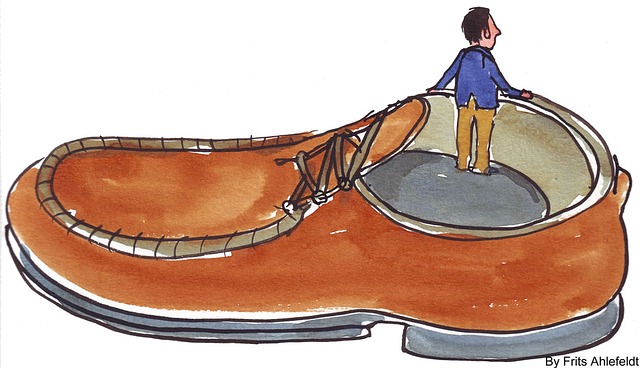
Standing in someone else’s shoes

If you could be someone else for a day, who would you be, and why?

I was playing around with the Jetpack app (newer app to serve for wordpress.com) and came across prompt questions to write about. Interestingly, this was today’s question. I think this question is a great exercise in self reflection. At first glance, the question presumes we want to be someone we are not and that we have an image of who that person is. The answer we give could be a combination of our current personal struggles, our dreams and our perception of what life is like for the other person. Yet, we also know that this wish is perhaps a bit like how we see the grass is greener on the other side, thinking it better to be anywhere but here.

Nevertheless, let’s play this question out a little bit using a deeper dive. What are we looking for/at when we imagine life as someone else? Is it about looks, riches, the joy we perceive? Is it a momentary isolated picture on Facebook which makes us dream of that life? Do we see an immaculate house while living in clutter? Whatever the picture is of life in another’s shoes, when we have those moments, perhaps it is the opportune moment to take steps that lead us to a New Beginning.

The change we are seeking when dreaming of that other life might not even be about the facts we are imagining. They might be about a desire for someone different than what we are currently doing. Maybe it’s how we schedule the day. Maybe it is re-prioritizing the important and the unimportant. Or maybe it really is a desire to be different and that we should foster bigger change through small, goal oriented steps. Any which way we look at it, trying to imagine being another person can actually be beneficial if it comes from a cautious growth oriented mindset and not from a place of jealousy.

After all that, I am sorry to disappoint everyone but truth is, I don’t really have a desire to be someone else for a day. I am truly blessed to be who I am and have worked to recognize that the desires to be someone else where really all about how to be better in my own life.

Are you imaging your life would be different that it is? Wondering if you really are the person people see you as? Are you working on your spiritual growth? Faith? Feeling lost in the midst of the journey of life? Contact New Beginnings Spiritual Coaching and Consulting LLC at 732-314-6758 ext. 100 or via email at newbeginningsspiritualcoach@gmail.com

Rebbe Nachman’s Advice # 4 – Faith gives us strength to be imperfect

Many posts of mine have focused on exploring imperfection (see here, here and here for some examples). I believe so much of our struggles in life come from not being to accept that we are the imperfect human. In the piece below, Rebbe Nachman offers us a perspective on how our faith can be a source of strength to embrace the need for growth.

י. צָרִיךְ לִשְׁמֹר מְאֹד אֶת הָאֱמוּנָה שֶׁלֹּא תִּתְקַלְקֵל חַ”ו. כִּי עַל־יְדֵי קִלְקוּל הָאֱמוּנָה אֵין יְכוֹלִין לְקַבֵּל מוּסָר מִמּוֹכִיחֵי אֱמֶת, וְנִתְקַלְקֵל הַשָּׁלוֹם, וְנַעֲשָׂה גֵּרוּשׁ וּמַחְלֹקֶת חַ”ו, וּבָאִים לִכְפִירוֹת וְלַעֲבוֹדָה זָרָה וְלֶאֱמוּנוֹת כּוֹזְבִיּוֹת. כִּי הָאֱמוּנָה הִיא עִקַּר חוֹתָם הָעֶלְיוֹן שֶׁל הַקְּדֻשָּׁה שֶׁצְּרִיכִין לְשֹׁמְרוֹ מְאֹד, שֶׁעַל־יְדֵי זֶה נִשְׁמָר כָּל הַקְּדֻשָּׁה: (לק”א סי’ כ”ב אות א’ ב’)
Make sure that you never let your faith become weakened. A person whose faith is weak is unable to accept honest criticism. This is very damaging to the cause of peace because it results in all kinds of aggressiveness, exile and conflict. The end result is godlessness and idolatry, false ideologies and false religions. True faith is the foundation of everything. It is the seal of holiness. You must guard it well because through doing so you are protecting holiness itself (22:1,2).

When we struggle to have faith that our human foibles are not something to be ashamed of but are part of how we relate to our existence in relationship with the one true perfection, Gd, Rebbe Nachman suggests we can fall into very difficult spaces. When people cannot admit to mistakes, they often double down and open up the door to furthering the problem instead of trying to make things better by first saying, “oops, I messed up.” When we don’t hear the criticism, when we don’t acknowledge our errors, we are creating worlds of self-worship, self-aggrandizement, the hallmarks of false ideologies.

When we can cultivate, grow and protect our faith, we begin to find a deeper sense of sacredness, of personal and collective holiness. Life is a series of imperfect actions that we are working to overcome and with faith we can find the fortitude to learn from our mistakes to do always be improving.

Are you struggling with your spiritual growth? Faith? Feeling lost in the midst of the journey of life? Contact New Beginnings Spiritual Coaching and Consulting LLC at 732-314-6758 ext. 100 or via email at newbeginningsspiritualcoach@gmail.com

Audio – Lessons in Tanya 51

Part two of Chapter 31 – We continue to explore how to raise up the soul when the heart is feeling numb. We explore the metaphor of exile and redemption, using the Exodus story as the paradigm for rising above our physical desires. This part also speaks to the need to not just raise the divine soul but also the animal soul to newer heights through Torah and Mitzvot, through the work of spiritual growth.

Episode 51

All episodes can also now be heard on Apple Podcasts – here

Do you want to work on taking the actions of your life and find meaning in all you do and who you are? Are you struggling with your spiritual growth. Contact New Beginnings Spiritual Coaching and Consulting LLC at 732-314-6758 ext. 100 or via email at newbeginningsspiritualcoach@gmail.com

Rebbe Nachman’s Advice # 12 – Finding Truth through removing the urge to win

Most of us have a competitive nature. This competitiveness can be positive in that pushes us to success. Yet, this same push can also have negative side effects. Often this competitiveness will lead people to push others aside, cut corners or do other things just for the sense of victory. In this piece by Rebbe Nachman, he suggests that this dark side of looking for the victory can blind us to what is sitting right in front of us:

לג. הַנַצְחָן אֵינוֹ סוֹבֵל הָאֱמֶת, וְאַף אִם יְבָרְרוּ לְעֵינָיו דְּבַר אֱמֶת יִדְחֶה אוֹתוֹ מֵחֲמַת נִצָּחוֹן. עַל־כֵּן מִי שֶׁרוֹצֶה לֵידַע הָאֱמֶת לַאֲמִתּוֹ, יְסַלֵּק מִקֹּדֶם מִדַּת הַנִּצָּחוֹן מֵעַצְמוֹ, וְאָז יָכוֹל לִרְאוֹת הָאֱמֶת אִם יִרְצֶה בֶּאֱמֶת: (לק”א סי’ קכ”ב)

One who always wants to be victorious is very intolerant of truth. The truth may be staring him in the face. But because he is determined to win at all costs he ignores it completely. If you want to find the real truth you must rid yourself of the urge to win. Then you will be able to see the truth if you wish (122).

This is a powerful spiritual growth principle. When we are looking to foster our drive to fulfill our goals, are we blinded by the end game? Do we constantly just look at the ends but not spend time where true growth really occurs, which is the process of striving towards a goal? Do we struggle to find that inner sense of the spiritual because we are always comparing ourselves to the images we think are the truths in front of us?

It is too easy to compare ourselves to others, to judge others based on how they appear and think that their lives are better. Too often the stumbling block to seeing the truth we know, the one in which we are making progress and succeeding in our own journey, is the urge to compete and compare lives. There are few who have fully shed this blindness to the reality right in front of us.

Yes, there are times we need to “fake it till we make it.” There are moments when the appearance is primary, dressing for the success we hope to have (attested to in the theme of this week’s Torah portion, Tetzaveh, which describes the clothing the priests and high priest must wear when in service to Gd in the Temple). We give off the positive impressions on the outside as part of the societal norms. Yet, our true path, true growth, comes from the internal, not from how I am in relation to another but how I am in relation to myself.

Today, may each of us work towards striving to see the truth that is already in front of us, inside of us. May we find the gratitude towards the self for all of our successes, seeing that Truth cannot be fostered when we are judging ourselves based on someone else.

Are you struggling with your spiritual growth? Faith? Feeling lost in the midst of the journey of life? Contact New Beginnings Spiritual Coaching and Consulting LLC at 732-314-6758 ext. 100 or via email at newbeginningsspiritualcoach@gmail.com

Rebbe Nachman’s Advice # 11 – All we do is to reveal the Divine in the World

One of the most famous teachings from Pirkei Avot states:

שִׁמְעוֹן הַצַּדִּיק הָיָה מִשְּׁיָרֵי כְנֶסֶת הַגְּדוֹלָה. הוּא הָיָה אוֹמֵר, עַל שְׁלשָׁה דְבָרִים הָעוֹלָם עוֹמֵד, עַל הַתּוֹרָה וְעַל הָעֲבוֹדָה וְעַל גְּמִילוּת חֲסָדִים:

Shimon the Righteous was one of the last of the men of the great assembly. He used to say: the world stands upon three things: the Torah, the Temple service, and the practice of acts of piety.

Pirkei Avot 1:2

The question we should ask is how are these foundations of the world? That might sound somewhat heretical, yet I think it behooves us to ask this most fundamental of questions. How do prayer, study and kindness uphold the world? Perhaps the answer can be teased out from the following passage from Rebbe Nachman:

לא. הַכְּלָל הוּא, שֶׁכָּל מַה שֶּׁאָנוּ עוֹשִׂין, הֵן תְּפִלָּה, הֵן לִמּוּד תּוֹרָה וַעֲשִׂיַּת מִצְווֹת, הַכֹּל הוּא כְּדֵי שֶׁיִּתְגַּלֶּה אֱמוּנָתוֹ וּמַלְכוּתוֹ יִתְבָּרַךְ: (לק”א סי’ ע”ז)

Everything we do — praying, learning Torah, carrying out the mitzvoth — has one fundamental aim: to reveal the kingship of God (77).

The world stands on the concept of the Divine. If we break this down into the three categories of the mishnah and of Rebbe Nachman, we can see how this is foundational,

Prayer: When we pray, we are acknowledging how we cannot do it alone. We are humbling ourselves to show we are interdependent. In Rebbe Nachman’s point of view, this is our turning to Gd as we turn to a parent, asking and asking for what we need. This might be the easiest to understand for the world cannot function if we are all selfish and arrogant to think we are completely independent beings. In a way, we can define prayer as spiritual humility.

Torah study: Learning, expanding our knowledge base is also a mode of expressing our humility. I am reminded of the famous statement, the more I learn, the more I realize what I don’t know. When we can develop this intellectual humility, we also are able to make space for all who we come across in life, being open to learning from others. We become open to possibilities and hopefully can learn that there aren’t many absolutes. This expands our ability to explore the beauty of life around us.

Doing mitzvot/acts of kindness: Our activities as they relate to how we live our the final pillar. This pillar is also a cultivator of humility for when we do for others, we recognize two things. Others might need us and we need others. We also learn the importance of not presuming someone else will do it but that we must make the effort to do the actions needed.

All three of these modalities of cultivating humility make way for Gd to be experienced in the world. So often we lose sight of the divine element of the world because our lives get clouded by ego and selfhood. While it is important to work on our growth and the impact we want to have in the world, this cannot come at the expense of recognizing we are cogs in the great cycle of life.

May we always be working on our spiritual, intellectual and interpersonal growth so as to strengthen the foundation of the world so that we can continue to reveal the divine in the world.

Are you struggling with your spiritual growth? Faith? Feeling lost in the midst of the journey of life? Contact New Beginnings Spiritual Coaching and Consulting LLC at 732-314-6758 ext. 100 or via email at newbeginningsspiritualcoach@gmail.com

Audio – Lessons in Tanya 50

This is my 50th Episode!!! I continue to enjoy this modality of reflecting on Tanya and sharing some of my musings as they relate to this fundamental work of Chassidic thought. Looking forward to continuing to share more.

Part on of Chapter 31. In this chapter, we continue to discuss strategies for rising above the dullness of the heart. This chapter continues along the lines of chapter 30 in describing using the Sitra Achra’s approach against it. We reflect on the difference between depression and bitterness and the transition between one and the other. Depression is the gateway to the bitterness and anger we need to wake up our hearts in prayer and study when we are just “going through the motions.”

Episode 50

All episodes can also now be heard on Apple Podcasts – here

Do you want to work on taking the actions of your life and find meaning in all you do and who you are? Are you struggling with your spiritual growth. Contact New Beginnings Spiritual Coaching and Consulting LLC at 732-314-6758 ext. 100 or via email at newbeginningsspiritualcoach@gmail.com