Needing Another Pair of Eyes to See our Lives

Are we really asking and searching for the right things in our lives? Are we able to see in the right direction or do we always feel turned around? Is life feeling so challenging that we lose perspective on our bigger picture dreams and hopes?

Too often, the difficulties and challenges in life can feel so overwhelming that we get lost in the narrow, nitty-gritty details of what is going on and lose sight of the bigger picture. This is understandable, as we hunker down and enter a survival mode state of mind. In these moments, our hopes shrink down to surviving the immediate, short term, often at the expense of longer term considerations. This is normal. This is as one would expect.

In the Passover Haggadah, as part of the Maggid section, we analyze a series of verses from Deuteronomy 26 (5-8) as a way of rereading the Exodus story. One line from that section states:

וַנִּצְעַק אֶל־ה’ אֱלֹהֵי אֲבֹתֵינוּ – כְּמָה שֶּׁנֶּאֱמַר: וַיְהִי בַיָּמִים הָרַבִּים הָהֵם וַיָּמָת מֶלֶךְ מִצְרַיִם, וַיֵּאָנְחוּ בְנֵי־יִשְׂרָאֵל מִ־הָעֲבוֹדָה וַיִּזְעָקוּ, וַתַּעַל שַׁוְעָתָם אֶל־הָאֱלֹהִים מִן הָעֲבֹדָה.

“And we cried out to the Lord, the God of our ancestors” – as it says: (Exodus 2:23); “It happened in the course of those many days that the king of Egypt died; and the Children of Israel groaned from the servitude and cried; their cry because of their servitude rose up to God.”

In their pain and suffering, they cried out to God. According to Artscroll’s Rav Shach Haggadah (for more on who Rav Shach is see here), this passage contains a strange grammatical choice, which Rav Shach expounds upon:

We would have expected the Torah to state, “The Children of Israel groaned because of the servitude.  Why does it write instead that they groaned, “from the servitude?” Rav Shach explained this expression as follows.

Man is often swept up in his routine, and finds himself incapable of rising above it to view life from a different perspective. When the Jews groaned and cried out to God, they did so “from” (out of) their servitude. They were certain that their lives would continue forever in the same miserable state as it was then. They prayed for an amelioration of their condition, but such ideas as total liberation or redemption were totally beyond their mental grasp. That this is so may be seen from the people’s reaction when Moshe first appeared before them and declared his intent to take them out of Egypt: “They did not listen to Moshe, from shortness of spirit” (Shemos 6:9) – i.e., from an inability to break out of their narrow mental mode of servitude and relate to the concepts that Moshe was describing to them.

It is because of this limitation of the human mind that it is so important to seek advice often from others, especially from wise Torah sages, who possess the necessary breadth of mind to look beyond the pressing and sometimes overwhelming issues at hand, and “see the larger picture.”

Rav Shach Haggadah p. 99-100

So many of our choices in life come from within a situation, from within the narrowness of the moment. Again, this is normal and expected. And, it is something that we must take into consideration. Rav Shach’s approach is to recall that we need not struggle alone. We need not think we have to solve the problem by ourselves. Once we are open to the possibility that someone is out there to help us, we can be more receptive to that help. The first step is to be open and willing, to recognize that our perspective in these moments is from within the pain and trauma and that with the help of someone not “within” we can take the next steps along on our journey.

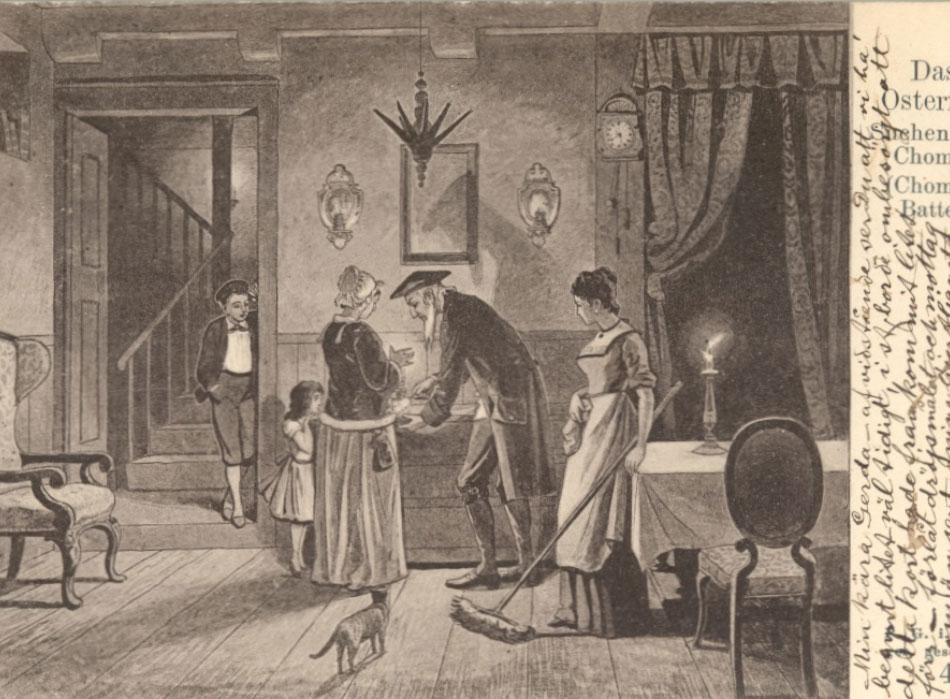
We can and should seek out help from someone who can offer a broader perspective to help us see beyond the narrowness that results from the trauma, pain and difficulty we are looking to emerge from. Remember, just like the image at the top of this post, sometimes we just need help being able to turn around and see something from a different angle.

May each of us, in moments of challenge, be able to find the person or people to turn to who can best help us see things from a different vantage point, helping us to engage with and journey through the difficulties and challenges that we will inevitably face in life.

If you or someone you know is looking to forge ahead and set new goals for the journey of life, we are here to help foster spiritual and emotional growth and change. Schedule your appointment today here. For more information, please contact New Beginnings Spiritual Coaching and Consulting LLC at 732-314-6758 ext. 100 or via email at newbeginningsspiritualcoach@gmail.com
Searching for the Chametz inside of Us

We are now one month away from Passover. It is a hectic time for most people as the month prior to Passover is spent planning, cleaning and preparing for the holiday. In addition to the physical components of preparing for Passover, there is a practice that begins the laws of Passover in the Shulchan Aruch, which states:

שואלים בהלכות פסח קודם לפסח שלשים יום:

1. We learn the halakhot of Pesach for 30 days before Pesach.

Shulchan Aruch, 429:1

In light of this command, this is the first of many planned posts during this next month based on my personal reading and studying of the Passover Haggadah in preparation for the holiday. My hope is to share from a couple of different commentaries I am reading this year ideas that are not just of importance as we consider the holiday of Passover, but that are fundamental to our growth as spiritual human beings.

To begin, one of the more overused and yet highly important ideas about Passover is the reinterpretation of the laws regarding removing leavened products, Chametz, from our midst, that suggests not only the removal of Chametz in the food sense, but also the removal of our spiritual Chametz, the removal of our arrogance, our ego. We derive this latter idea from a prayer attributed to a Rabbi Alexandri, in which he connects the evil inclination to the yeast in the dough:

וְרַבִּי אָלֶכְּסַנְדְרִי בָּתַר דִּמְצַלֵּי אָמַר הָכִי: ״רִבּוֹן הָעוֹלָמִים, גָּלוּי וְיָדוּעַ לְפָנֶיךָ שֶׁרְצוֹנֵנוּ לַעֲשׂוֹת רְצוֹנֶךָ, וּמִי מְעַכֵּב? — שְׂאוֹר שֶׁבָּעִיסָּה וְשִׁעְבּוּד מַלְכֻיוֹת. יְהִי רָצוֹן מִלְּפָנֶיךָ שֶׁתַּצִּילֵנוּ מִיָּדָם, וְנָשׁוּב לַעֲשׂוֹת חוּקֵּי רְצוֹנְךָ בְּלֵבָב שָׁלֵם״.

that after Rabbi Alexandri prayed, he would say the following:
Master of the Universe, it is revealed and known before You
that our will is to perform Your will, and what prevents us?
On the one hand, the yeast in the dough, the evil inclination that is within every person;
and the subjugation to the kingdoms on the other.
May it be Your will
that You will deliver us from their hands,
of both the evil inclination and the foreign kingdoms,
so that we may return to perform the edicts of Your will with a perfect heart.

Berachot 17a (translation includes commentary by Rabbi Adin Steinsaltz)

In reflecting on this spiritual notion of removing Chametz, the egocentric barriers that exists in our lives that negatively impact our growth, I want to share an additional element based on a few select passages from Artscroll’s Rav Shach Haggadah (for more on who Rav Shach is see here).

…But is it really possible for us to search our own hearts and cleanse them of sin? As the prophet Yirmiyahu (Jeremiah) writes, “The heart is the most deceptive of all things, and it is undependable; who can know it?” (17:9). There is only One Who can truly know what is in man’s heart: “I, Hashem, search men’s hearts and examine their inner thoughts” (17:10).

…We must conclude, said Rav Shach, that although wise men, prophets and angels are incapable of ascertaining what lies in other men’s hearts, each man himself is indeed able to – and expected to – peer into the recesses of his own heart and detect and rectify the imperfections that he finds there.

The reason for this, he explained, is that although it is “I, Hashem, search men’s hearts and examine their inner thoughts” (Jeremiah 17:10), man possesses within him a Divine soul that emanates from God Himself. “The soul of a man is the candle of Hashem, searching all his inner recesses” (Mishlei 20:27). It is with this “candle” that we can indeed search for the “chametz” of our souls and attempt to eradicate it.

…In order to cause dough to be leavened, all one has to do is leave it alone and do absolutely nothing. Similarly, if a person lets down his guard even for a moment, if he ceases to strive for spiritual growth and enhancement, he opens himself up to the disastrous effects of the yetzer hara, who avails himself of the opportunity to sow the seeds of spiritual ruin.

p. 8-10

One of our challenges is sifting through our egos to the point of being able to make real strides spiritually. We make excuses and offer justifications for why we continue to act a certain way, even when we wish to strive towards growth and change. And more often then not, when we don’t see ourselves changing for the better, we stop. Or, when we think we have reached a new place, we stop. Yet, we can never stop striving to find ways to remove our excuses and barriers. Stagnation is not neutral, but it is actually a negative.

I have written about the importance and value of celebrating each step in our growth. Celebrating our victories along the way is of the utmost importance as a way to encourage our continuous striving. It is not about resting on our laurels. Rather, we take another step and then we search again so as to take the next step, and keep going through this process.

As we begin this thirty day stretch leading to Passover, the holiday celebrating our redemption from Egypt, may we not just clean our homes but also work to “clean” ourselves of those things that stand in the way of reaching the spiritual goals and heights we wish to attain.

If you or someone you know is looking to forge ahead and set new goals for the journey of life, we are here to help foster spiritual and emotional growth and change. Schedule your appointment today here. For more information, please contact New Beginnings Spiritual Coaching and Consulting LLC at 732-314-6758 ext. 100 or via email at newbeginningsspiritualcoach@gmail.com

Audacity in Prayer During the High Holidays

Imagine, or maybe just remember, what it was like to turn to a parent and say, “it’s really your fault I am the way I am.” While we all might feel this way at one point or another, it is one thing to think it and another to voice this feeling aloud. If this is the case with one’s parents, how much more so would this be the case as it relates to our relationship with Gd. And yet, we find countless examples in the Jewish tradition that suggest we can verbally express the blame for our imperfections and troubles back at Gd.

One recent thought I came across expresses this concept from a statement in the work Hayyei Moharan, which describes anecdotes about the life of Rebbe Nachman of Breslov. The idea is a creative reinterpretation of how we understand the use of the plural in Viddui.

It is written in Chayei Moharan (601) in regards to viduy – the confession prayer, that Rebbe Nachman once said to Reb Yudel of Dashiv (a chossid of Rebbe Nachman, who was first, a chossid of Reb Pinchas Koritzer), “tell me something from your Rebbe, the Tzaddik, Reb Pinchos Koritzer.  Reb Yudel responded, “Reb Pinchos once said that we say ashamnu, bagadnu, gazalnu in a plural tense, when really we should be saying it in a singular tense.  However, (the reason [ed.]) we say it plurally is because we are really saying, so to speak, in a way of claim and argument towards Hashem, ashamnu, we have been guilty, that if not for you, Hashem, giving us the energy and ability to sin, we wouldn’t be able to sin.”  

Sea of Wisdom Parshas Nitzavim/VaYeilech 5783 – R. Itche Meir Morgenstern

How do we have the audacity to turn around our imperfections and place some of the blame back on Gd? Well, this idea of Rebbe Nachman’s is not unique to him, but has precedent throughout the Jewish tradition. I found myself reminded of something I shared over a decade ago, which remains highly relevant as we enter Rosh Hashanah, 5784. At the time, I prepared a sermon describing multiple examples of spiritual audacity. See here for the full piece.

As part of this piece, I drafted the following prayer:

Dear G-d.  We are here again standing in your shadow.  We are in your presence.  We are unworthy, because we are full of sin.  But you know what G-d, it’s your fault we sinned.  You are the master of the world.  You created us with good and evil.  You created the evil inclination, the yetzer hara.  Therefore, we are blameless because without that stumbling block, we wouldn’t be in need of judgment each year.

Looking back, I am not sure I was correct in the usage of the phrase, “we are blameless.” If we believe we have the choice to make before each decision, then we are responsible for what we do. Yet, most of us often in life really feel so much about ourselves is not in our control. It wasn’t our fault, it’s someone or something else outside of our control that we can blame. True and… if we are to then find a path for growth and change, we need to be willing to accept responsibility as well.

For this Rosh Hashanah, when we sit down and reflect on the life we have led through 5783 and the life we wish to lead starting 5784, can we both be comfortable to verbalize our feelings that so much of who we are might not be our “faults” and also hold personal responsibility to acknowledge how much we can do to take the steps to forge a new path forward? When we confess to our shortcomings, we are taking the first step. So, speak your real thoughts, pray with abandon just like our ancestors, and simultaneously, examine the barriers holding us back from spiritual growth and plan strategies so we can see a better year in this upcoming year.

May this year be the start of a New Beginning and filled with opportunities for reaching closer to your goals and dreams.

Looking to gain further, broader insight in becoming your more authentic, spiritually focused self? Let me help you along this path! Contact New Beginnings Spiritual Coaching and Consulting LLC at 732-314-6758 ext. 100 or via email at newbeginningsspiritualcoach@gmail.com
Elul Thoughts: Finding Renewed Ways to Connect

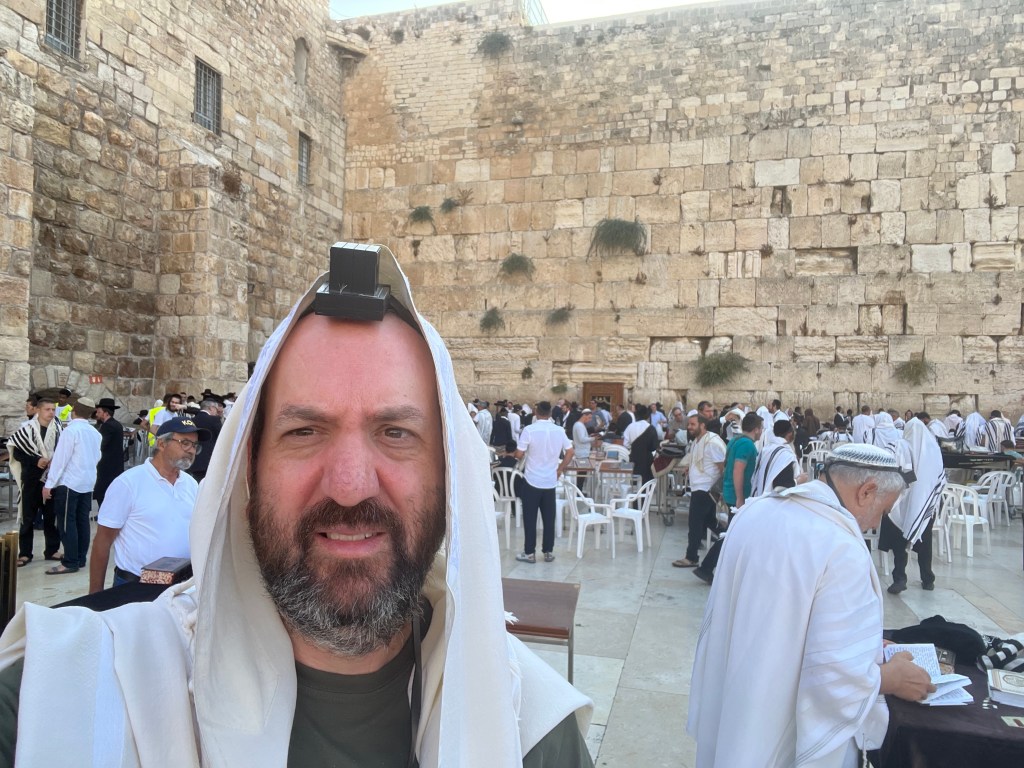
As I continue to reflect on my recent trip to Israel, one of the things that always strikes me when I am there is how comfortable I feel in Israel. This has many layers, from religiously and spiritually as well as I get a sense in certain parts of the country that it is like I am home. This makes travelling less fraught with worries and anxieties. And, this does also have a shadow side.

During this trip, as with most of my trips, I find myself drawn to spend time by the Kotel, the Western Wall. It is a place of prayer and pilgrimage. It is a sacred space. And while historically the physical wall itself was merely one of the four sides of the retaining wall for the Temple Mount, the area has become a spiritual focal point and symbol for so much. And yet, sometimes, the mystique seems to disappear.

During this trip, I had two types of experiences. Some of my sojourns to the wall, I was left with something lacking. I couldn’t find my spiritual comfort zone, struggled to pray with much focus, almost finding myself asking what was even the point of making the trek from the apartment I was staying at. It can be difficult to feel inspired when the sacred space seems commercialized and is overflowing with people. Other times, I found that inspiration. This occurred in two ways. When I went on Shabbat afternoon and found the area pretty empty and quiet, I was able to hear my thoughts better. Other times, even in the midst of massive crowds, context can be key. Being there for a Bar Mitzvah and public Selichot, both times when the place is packed, also inspired me because it was the opportunity to experiences new things in a place I know so well.

I am sharing these thoughts because I came across and was reminded of a beautiful concept drawn from a question about Psalm 27. During the month of Elul, it is customary to recite this chapter twice a day. Reading the Psalm, we can see many themes that tie into the High Holidays. One, which I want to explore, emerges from Verse 4.

אַחַ֤ת ׀ שָׁאַ֣לְתִּי מֵֽאֵת־יְהֹוָה֮ אוֹתָ֢הּ אֲבַ֫קֵּ֥שׁ שִׁבְתִּ֣י בְּבֵית־יְ֭הֹוָה כׇּל־יְמֵ֣י חַיַּ֑י לַחֲז֥וֹת בְּנֹעַם־יְ֝הֹוָ֗ה וּלְבַקֵּ֥ר בְּהֵֽיכָלֽוֹ׃

One thing I ask of the LORD, only that do I seek:
that I may dwell in the House of Hashem all the days of my life, to behold the sweetness of Hashem and to contemplate in His Sanctuary.

There is a fundamental question that arises from this passage. How can we ask Gd to both live in Gd’s house forever and also be visitors “contemplating” his temple? Doesn’t this seem contradictory.

Over Shabbat I was reminded of this question from a Parasha printout called Alei Deshe, which shares the Torah thoughts of R. Shaul Alter, Rosh Yeshiva of Gur. He shared:

The answer given to this seeming contradiction is that our request is to reside permanently in Hashem’s house, and yet maintain the freshness and excitement of one who comes only as a visitor. But how is this possible? After all, a person naturally loses enthusiasm for activities that continue for a lengthy period of time.

In order to understand this, we must look at the words preceding the request for visitor-like excitement: לַחֲז֥וֹת בְּנֹעַם־יְ֝הֹוָ֗ה, to behold the sweetness of Hashem. When one feels the pleasure and beauty of sitting in Hashem’s house and serving Him, he will naturally maintain his enthusiasm for it, and will return day after day feeling as if it were his first day there.

Too often in life, finding ourselves in moments that used to drive us, inspire us, excite us, and suddenly it has little to no meaning. The shiny new toy feels like it loses its shine. When this happens, we get frustrated, we try to find something new. For most of us, it is easier to discard and move on to something new. Yet, perhaps the issue isn’t the lost luster but it starts with us. Did we go in with the wrong expectations? Did we presume to find the same inspiration and joy without playing our part in being present and focusing?

In this preparation season for Rosh Hashanah, are we truly listening to the daily shofar sound, to the added prayers, to our stirring souls which are looking to make meaningful changes to our lives. Have we slowed down to see? Or are we merely heading to the place we always head to because that’s just what we do?

Going back to my personal experiences, I found that if once I could remember inspiration comes just as much from what we put in as from what the moment gives me, I was able to feel that sense of enthusiasm of “visiting” instead of the routine feeling of always being present. It required a refocus, a renewed effort and, at least with the late night trek for Selichot, doing something new and different to help refind that spiritual connection I was seeking all along.

May each us, during these last two weeks leading to Rosh Hashanah, find our things that inspire us and find new ways to put in and take out those drops of inspiration so that we may see in ourselves growth and renewal during this upcoming new year.

Looking to gain further, broader insight in becoming your more authentic, spiritually focused self? Let me help you along this path! Contact New Beginnings Spiritual Coaching and Consulting LLC at 732-314-6758 ext. 100 or via email at newbeginningsspiritualcoach@gmail.com

9 Av reflections 5783 – OY!

I have always struggled with the concept of a communal day of mourning. What if I am not feeling that sense of sadness that is required to truly experience the day? Does that make me unfeeling, uncaring? Am I separating myself from the community in moments when I can’t conjure up the emotional pain and suffering that comes from taking on signs of mourning on this day?

Sure, we have found ways over the centuries to overcome the difficulty of feeling the loss of a sacred building and sacrificial services by lumping all the tragedies of Jewish history into this one day. We even have the Midrashic tradition claiming that Tisha B’Av is a cursed day going all the way back to the Torah’s story about the spies (see Parashat Shelach). And so, we read Lamentations (Eichah), read a variety of poems of elegy (Kinnot) and try every which way to feel a sense of longing for the rebuilding of the Third Temple and the end of all Jewish tragedies.

But…then I remember – It isn’t about emotions alone. It is about memory. Tisha B’Av in our contemporary world is about carving a day out of our busy lives to sit and remember the past, remember the pain of what was. What we read on this day tries to offers reasons and explanations, yet, the most powerful moments are when we recite those short, pithy phrases during Kinnot that feel like we are just throwing our hands up in frustration and despair.

One refrain, which repeats in a couple of the poems is the chorus Oy, what has befallen us. After expressing or listing a moment, we have nothing left to “say” but Oy. There are no words at some point. All that is left is the cry of despair.

Today, whether you “feel” it or not, take the time to reflect on the unanswered, the loss of attempts at explanation, the moments in the past and present when all we can do is sit there numb, not sure what to think or feel but Oy!

May this Tisha B’Av be the last Tisha B’Av of suffering and may we merit to see brighter days ahead.

Contact New Beginnings Spiritual Coaching and Consulting LLC at 732-314-6758 ext. 100 or via email at newbeginningsspiritualcoach@gmail.com
Every End is another Beginning: Post Shavuot thought

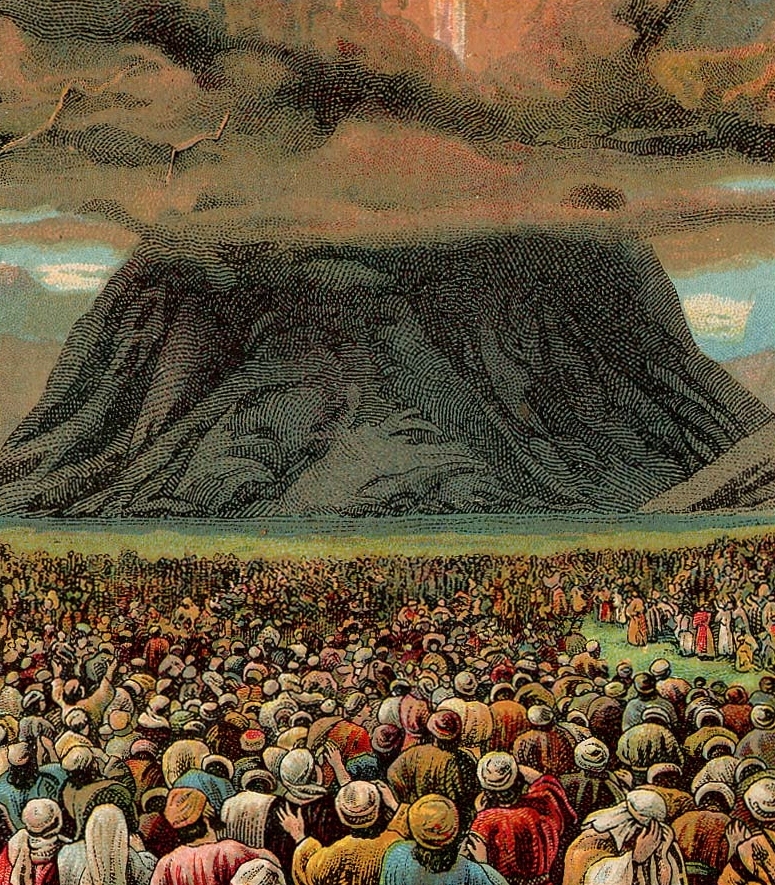
During Shavuot, I came across an idea which I have been reflecting on these past couple of days. During the prayers we recite on Shavuot, we refer to the holiday as Zeman Matan Torateinu, the day of the giving of the Torah, not the day of receiving the Torah. What is the difference between a day on which we were given something vs. a day we received something? Aren’t those just two sides of the same coin?

R. Menachem Genack, in his introduction to a book of R. Dr. Norman Lamm’s collected sermons, Torah Beloved, offers a simple, yet important answer to this question. He writes:

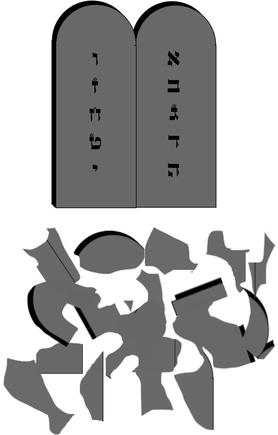
The reason we do not refer to Shavuot as the day on which we received the Torah is that Shavuot is not the day on which we received the Torah. Before I am accused of heresy, let me clarify. The Luhot which Moshe received on Shavuot were shattered at the base of the mountain, forty days later. We never received them. It was only after two more forty-day periods of prayer and fasting, on Yom Kippur, that God gave Moshe the second set of Luhot which the Jewish people were able to receive, unshattered. Thus, the day on which we received the Torah is actually Yom Kippur, not Shavuot, and that is why Shavuot is not identified in our liturgy as the day we received the Torah.

pg. XV

Shavuot is a culmination of sorts. It is a holiday that concludes a seven week countdown for the early harvest period. In our modern take, it is the completion of a seven week period of preparation to receive the Torah. Either way, Shavuot is an ending. Yet, when we reflect on R. Genack’s words, we realize that Shavuot is an end that remains incomplete. In a way, Shavuot is just the beginning. Shavuot was the first moment of what became a 120 day process of being able to truly receive the Torah.

To answer the question of giving vs. receiving, it makes sense that Shavuot is referred to as the Giving Torah day, not the receiving Torah day. When we are given something, it doesn’t automatically mean we have received it. Yes, it is now something in our “possession,” but there is a difference between something just dropped into one’s lap vs. being ready to receive it. I think reception in the context of the Torah needed to be an active process of grabbing hold of the precious item being given. And clearly, this is not something that is so easily done. For R. Genack, recalling the entire story of receiving the whole tablets, from Shavuot to Yom Kippur, we can learn a lesson about recognizing the different demarcation points in our lives.

All milestones, important moments in life contain two sides of the same coin. The milestone is a moment of accomplishment, of arriving at this junction of life. And yet, a milestone is also a stop along the way, from which we move to the next stop along our journey. It is a New Beginning. And we have an opportunity to always be ready to go for the next milestone while also celebrating the place we have arrived.

So my charge for today: Each morning, when we wake up, we have a chance to start fresh. We have completed and arrived at this new point. We have built up to be ready for today’s newness. Take a moment today reflecting on how we got to this moment, this day and then take a moment to recognize how we can take whatever brokenness came along with getting here and build and mend the brokenness while starting on this next step of our journeys today and every day.

Looking to discover your more authentic, spiritually focused self? Let me help you along this path! Contact New Beginnings Spiritual Coaching and Consulting LLC at 732-314-6758 ext. 100 or via email at newbeginningsspiritualcoach@gmail.com

Shavuot – Judgment Day for Torah Study

I know what you are thinking right now. We aren’t near Rosh Hashanah; Isn’t the upcoming holiday Shavuot, the holiday celebrating the giving of the Torah. Why are you posting an image of judgment scales, which would be more appropriate to share in a few months for Rosh Hashanah? Wouldn’t this be a better picture to depict Shavuot?

Yet, if we examine a recently I came across fromom the Shlah HaKadosh (R. Isaiah Horowitz), we would see that the celebration of receiving the Torah and the scales of judgment work come together. He writes (Aseret HaDibrot, Shavuot):

חייב אדם לשמוח בזה החג ביותר, כי הוא יום שזכינו בו לכתר תורה. ובפסחים פרק אלו דברים (סח, ב), הכל מודים בעצרת דבעינן נמי לכם. מר בריה דרבינא יתיב כולא שתא בתעניתא, בר מעצרתא ויומי דפוריא כו’. רב יוסף ביומא דעצרתא עבד ליה עגלא תילתא, אמר, אי לאו ההוא יומא כמה יוסף איכא בשוקא. מכל מקום גילו ברעדה כתיב (תהלים ב, יא), והשמחה אשר שמח תהיה שמחה רוחניית והודות והלל להשם יתברך שנתן לנו התורה, מתעורר מאוד בלבו להתקדש ולתקן מעשיו ולהיות מוכתר בכתר תורה לקיים (יהושע א, ח) והגית בו יומם ולילה, כי היום הקדוש הזה הוא יומא דדינא:

וזה לשון תולעת יעקב דף נ”ח, ודע כי כמו שבראש השנה רצה הקדוש ברוך הוא להשגיח ולדרוש מעשה בני אדם כי הוא יום הבריאה הראשונה וחדוש העולם, וכמו שתקנו לומר זה היום תחלת מעשיך כדברי רבי אליעזר שאמר בתשרי נברא העולם (ר”ה ח, א), כן רצה ביום מתן תורה שהוא מורה על החדוש העולם להשגיח ולדרוש על מעשה העולם ולדונו על פירות האילן, כדאיתא בפרק קמא דראש השנה (טז, א) בארבע פרקים העולם נידון כו’, בעצרת על פירות האילן. וכבר ביארנו כי הפירות ההם הם הנשמות הפורחות מאילנו של הקדוש ברוך הוא, והעולם נידון ביום זה על התורה שנתנה בו שבטלו עצמה ממנה והוא אמרם על פירות האילן בלא השלימם בתורה ובמצות כראוי.

To Summarize: Shavuot is a day of celebrating receiving the crown of Torah. It is a day of rejoicing, a day dedicated to the spiritual rejoicing we experienced in receiving the Torah. The day is a time to renew our commitment to Torah study and enwrapping ourselves in the beauty of Gd’s word. It is the time we have the opportunity to renew this coronation. As such, it is a judgment day like Rosh Hashanah. This is based on the Mishnah from Rosh Hashanah (1:2), which says:

בְּאַרְבָּעָה פְרָקִים הָעוֹלָם נִדּוֹן, בְּפֶסַח עַל הַתְּבוּאָה, בַּעֲצֶרֶת עַל פֵּרוֹת הָאִילָן, בְּרֹאשׁ הַשָּׁנָה כָּל בָּאֵי הָעוֹלָם עוֹבְרִין לְפָנָיו כִּבְנֵי מָרוֹן, שֶׁנֶּאֱמַר (תהלים לג) הַיּוֹצֵר יַחַד לִבָּם, הַמֵּבִין אֶל כָּל מַעֲשֵׂיהֶם. וּבֶחָג נִדּוֹנִין עַל הַמָּיִם:

At four times of the year the world is judged: On Passover judgment is passed concerning grain; on Shavuot concerning fruits that grow on a tree; on Rosh HaShana, all creatures pass before Him like sheep [benei maron], as it is stated: “He Who fashions their hearts alike, Who considers all their deeds” (Psalms 33:15); and on the festival of Sukkot they are judged concerning water, i.e., the rainfall of the coming year.

Shavuot, Azteret, is the day the world is judged concerning fruits that grow from a tree. Reading this Mishnah with an eye towards the mystical, the spiritual, The Shlah suggests that the Torah, which is considered the Tree of Life, bears the fruits that result from our study and effort. What does all of this mean? How do we get judged on our intellectual output and what are we supposed to do to have a “favorable” judgment?

Reflecting on the bolded question, what keeps coming back to mind is the word effort. We are judged not on what we produce, but the effort we exert. Yes, there is a goal and desire to come up with novel, unique, deep approaches in our learning. But, this isn’t the goal and message of Shavuot. Rather, the goal is strengthening our daily connection to the Torah, to the gift and beauty of the corpus that is Gd’s word, Gd’s revealed “self” to the world. The goal of Shavuot is that this holiday is the moment each year we recommit to planting the seeds of deepening our desire to study daily. Through study, through connecting to Gd’s essence, we recommit to upholding one of the foundational points of the world (as we see from these words of Pirkei Avot (1:2)):

שִׁמְעוֹן הַצַּדִּיק הָיָה מִשְּׁיָרֵי כְנֶסֶת הַגְּדוֹלָה. הוּא הָיָה אוֹמֵר, עַל שְׁלשָׁה דְבָרִים הָעוֹלָם עוֹמֵד, עַל הַתּוֹרָה וְעַל הָעֲבוֹדָה וְעַל גְּמִילוּת חֲסָדִים:

Shimon the Righteous was one of the last of the men of the great assembly. He used to say: the world stands upon three things: the Torah, the Temple service, and the practice of acts of piety.

When we exert effort, we are deserving of the crown of Torah. When we do our due diligence, when we put our effort in, we will see the results. To quote from a recent podcast/shiur from a friend, who was quoting from a former US President, Ask Not What Hashem Can Do For You, But What You Can Do For Hashem.

May we find that on Shavuot, whatever we learn, whenever we learn, that this holiday be one in which we recommit to our desires for spiritual and intellectual growth, putting in just a little bit more effort than we usually do, for with that effort we will find ourselves taking that most important first step forward to a New Beginning in our relationship to our spirituality and our faith.

Looking to discover your more authentic, spiritually focused self? Let me help you along this path! Contact New Beginnings Spiritual Coaching and Consulting LLC at 732-314-6758 ext. 100 or via email at newbeginningsspiritualcoach@gmail.com

Post 200 – Bridging Purim to Pesach

Continuing with the theme from my most recent post based on Rebbe Nachman’s thought, Purim 2, the relationship of Purim to Pesach, I want to offer a connection between the two days that will build a bridge between our celebrations today and the upcoming preparation and celebration of Passover in a month. I have been reflecting all day on the contrast between Purim and Pesach in how we see Gd’s role in our lives.

One of the interesting things about Megillat Esther is that Gd is missing from the text. This is the only biblical work in which Gd doesn’t make an appearance. The historian in me particular finds this fascinating as there are other versions and parts to Esther in which Gd is again to be found (see the article The Other Side of Esther for one perspective on this historical approach). The rabbi and spiritual coach in me finds Gd’s absence to be in line with the traditional suggestion of how we are to read Esther as a story in which Gd is hidden but always behind the scenes, a lesson about how not “seeing” Gd’s hand doesn’t mean it isn’t there.

Contrast this to Passover, in which Gd becomes the main character of the Seder night. The Haggadah is a rabbinic compilation of Gd’s story of rescuing the children of Israel from slavery. Moses is not mentioned except in one offhandedly quoted verse towards the latter half of the main, story section of the Haggadah. Gd is as revealed to us as we could possibly imagine, with the theme of the night being that Passover night is the Leil Shimurim, the night of protection. This is the night when nothing can harm us. Spiritually, this is the night we come to recognize that all that does occur has Gd’s involvement.

As such, if we think about how the two days of Purim and Pesach relate, it is in the dual way we experience spirituality and the Divine in our lives. Many times we have periods in our lives when things will happen that seem to be chance, out of sync, leading us along a journey we cannot figure out. We have no roadmap, no clear sense of what is going on. It is in those times when we struggle to maintain faith that things are moving along a path for a purpose. We can’t see the bigger picture. That is, we can’t see it until we can step back and reveal to ourselves how a variety of choices and events lead us to this moment. It is in that discovery when we can see Gd behind the scenes, we can experience that faith we have been struggling to feel. Purim is the hidden, the chaos, the sense of the random. Pesach is that moment when things become crystal clear, when we see what led us to where we are.

As we wrap up our celebration of Purim and begin the month long arduous journey to the celebration of the Israelites emergence from slavery to freedom, Passover, may we make this is a time of working towards revealing the seemingly hidden in our lives.

Are you struggling with your spiritual growth? Faith? Feeling lost in the midst of the journey of life? Contact New Beginnings Spiritual Coaching and Consulting LLC at 732-314-6758 ext. 100 or via email at newbeginningsspiritualcoach@gmail.com

Carob tree and planting the seeds of success – Tu B’Shvat

Today marks the midway of the winter season and the new year for trees in the Jewish tradition. It is the holiday called Tu B’Shevat, named after the day it falls out, the 15th of Shevat. This days marks the starting point of seed growth, of seeing the results of the plantings we have done in the fall, preparing for the Spring/harvest season. In honor of Tu B’Shvat, I want to share a short reflection on the Carob tree and setting events into motion.

Change is hard. Change can feel impossible. So often, we might feel like we aren’t progressing, perhaps even feeling like we are “swimming upstream.” I know that many times I have to remind myself of this idea.

There is a Talmudic story which reflects this same concept. All we can do is plant the seeds and celebrate the possibilities of success. BT Taanit 23a describes the following story:

יוֹמָא חַד הֲוָה אָזֵל בְּאוֹרְחָא, חַזְיֵיהּ לְהָהוּא גַּבְרָא דַּהֲוָה נָטַע חָרוּבָא, אֲמַר לֵיהּ: הַאי, עַד כַּמָּה שְׁנִין טָעֵין? אֲמַר לֵיהּ: עַד שִׁבְעִין שְׁנִין. אֲמַר לֵיהּ: פְּשִׁיטָא לָךְ דְּחָיֵית שִׁבְעִין שְׁנִין? אֲמַר לֵיהּ הַאי גַּבְרָא: עָלְמָא בְּחָרוּבָא אַשְׁכַּחְתֵּיהּ. כִּי הֵיכִי דִּשְׁתַלוּ לִי אֲבָהָתִי — שְׁתַלִי נָמֵי לִבְרָאִי.

One day, he was walking along the road when he saw a certain man planting a carob tree. Ḥoni said to him: This tree, after how many years will it bear fruit? The man said to him: It will not produce fruit until seventy years have passed. Ḥoni said to him: Is it obvious to you that you will live seventy years, that you expect to benefit from this tree? He said to him: That man himself found a world full of carob trees. Just as my ancestors planted for me, I too am planting for my descendants.

יָתֵיב, קָא כָּרֵיךְ רִיפְתָּא, אֲתַאי לֵיהּ שִׁינְתָּא, נִים. אַהְדַּרָא לֵיהּ מְשּׁוּנִּיתָא, אִיכַּסִּי מֵעֵינָא, וְנִים שִׁבְעִין שְׁנִין. כִּי קָם, חַזְיֵיהּ לְהָהוּא גַּבְרָא דְּהוּא קָא מְלַקֵּט מִינַּיְיהוּ, אָמַר לֵיהּ: אַתְּ הוּא דִּשְׁתַלְתֵּיהּ? אֲמַר לֵיהּ: בַּר בְּרֵיהּ אֲנָא. אֲמַר לֵיהּ: שְׁמַע מִינַּהּ דִּנְיַימִי שִׁבְעִין שְׁנִין. חֲזָא לַחֲמָרְ[תֵּ]יהּ דְּאִתְיְילִידָא לַיהּ רַמְכֵי רַמְכֵי. Ḥoni sat and ate bread. Sleep overcame him and he slept. A cliff formed around him, and he disappeared from sight and slept for seventy years. When he awoke, he saw a certain man gathering carobs from that tree. Ḥoni said to him: Are you the one who planted this tree? The man said to him: I am his son’s son. Ḥoni said to him: I can learn from this that I have slept for seventy years, and indeed he saw that his donkey had sired several herds during those many years.

The planting we do is not always for ourselves. It can be something an ancestor set into motion that we are experiencing today. Today is the day we celebrate the beginning of the potentiality becoming reality. We might not know what will result, but we can find the will to rejoice in the effort and process because we know something will eventually come from it.

If you are struggling to establish and pursue your goals and dreams and need help working through the underlying motivations? Or if you know someone who is working on goal setting and needs support in the process, Contact New Beginnings Spiritual Coaching and Consulting LLC at 732-314-6758 ext. 100 or via email at newbeginningsspiritualcoach@gmail.com

Hanukkah and Spiritual Growth

We are in the midst of Hanukkah. This is a time of celebration, joy and lots of fun activities and food (especially those who love fried foods like latkes and donuts). It is also, and perhaps moreso, a time of reflecting on how we are to have faith in things working out even in the seemingly impossible situations of life. By reflecting on the liturgy of the 8 day festival, which speaks about the overcoming of overwhelming military odds and the lighting of candles, going from 1 candle on the first night to 8 candles on the last night, one added every night, as a reminder of the story told of finding enough oil to only last one day which then lasted eight days, we have an opportunity to take stock and reflect.

In my work with people as a Spiritual Life Coach, we work to take the little jug of oil a person has uncovered, the desire to foster a change in life, and step by step craft the desired goals into a New Beginning. This is true for those dealing with grief and loss, with transitions in life and those just searching for a renewed sense of meaning. Fostering lasting change is miraculous in that it is often difficult to sustain the step by step growth. Too many of us struggle because we want to reach the end quickly and without fail, not realizing that the goal can only be reached one step at a time. This attitude can lead to failed opportunities and missed celebrations for milestones we reach along the way. Time and again, we each can find the ways to support and care for ourselves so that we may find the new lights we are trying to light in our lives.

As we light for the last time tonight, filling all 8 spots on the menorah, we should take a moment to reflect on the night by night process of how we got here. Some of us have felt rushed during the holiday, maybe not being home for every night, yet, we have continued to do in some way shape or form. It wasn’t a straight and perfect ride, yet we have arrived at the culmination point. I think this is true of our work of change as well. The process of change is not perfect. It has bumps and ditches along the way. Yet, when we reach a milestone moment, when we have a breakthrough that gives us the push forward to the next part of the growth journey, we should take the time to celebrate the imperfect, bumpy path we have taken to this point.

May we be blessed to appreciate the bumps along the way and the arrival to points along the path. May we remember to celebrate the incomplete as much as we come to enjoy the complete.

Working on setting new goals and needing a process for maintaining your goals. Contact New Beginnings Spiritual Coaching and Consulting LLC at 732-314-6758 ext. 100 or via email at newbeginningsspiritualcoach@gmail.com