Needing Another Pair of Eyes to See our Lives

Are we really asking and searching for the right things in our lives? Are we able to see in the right direction or do we always feel turned around? Is life feeling so challenging that we lose perspective on our bigger picture dreams and hopes?

Too often, the difficulties and challenges in life can feel so overwhelming that we get lost in the narrow, nitty-gritty details of what is going on and lose sight of the bigger picture. This is understandable, as we hunker down and enter a survival mode state of mind. In these moments, our hopes shrink down to surviving the immediate, short term, often at the expense of longer term considerations. This is normal. This is as one would expect.

In the Passover Haggadah, as part of the Maggid section, we analyze a series of verses from Deuteronomy 26 (5-8) as a way of rereading the Exodus story. One line from that section states:

וַנִּצְעַק אֶל־ה’ אֱלֹהֵי אֲבֹתֵינוּ – כְּמָה שֶּׁנֶּאֱמַר: וַיְהִי בַיָּמִים הָרַבִּים הָהֵם וַיָּמָת מֶלֶךְ מִצְרַיִם, וַיֵּאָנְחוּ בְנֵי־יִשְׂרָאֵל מִ־הָעֲבוֹדָה וַיִּזְעָקוּ, וַתַּעַל שַׁוְעָתָם אֶל־הָאֱלֹהִים מִן הָעֲבֹדָה.

“And we cried out to the Lord, the God of our ancestors” – as it says: (Exodus 2:23); “It happened in the course of those many days that the king of Egypt died; and the Children of Israel groaned from the servitude and cried; their cry because of their servitude rose up to God.”

In their pain and suffering, they cried out to God. According to Artscroll’s Rav Shach Haggadah (for more on who Rav Shach is see here), this passage contains a strange grammatical choice, which Rav Shach expounds upon:

We would have expected the Torah to state, “The Children of Israel groaned because of the servitude.  Why does it write instead that they groaned, “from the servitude?” Rav Shach explained this expression as follows.

Man is often swept up in his routine, and finds himself incapable of rising above it to view life from a different perspective. When the Jews groaned and cried out to God, they did so “from” (out of) their servitude. They were certain that their lives would continue forever in the same miserable state as it was then. They prayed for an amelioration of their condition, but such ideas as total liberation or redemption were totally beyond their mental grasp. That this is so may be seen from the people’s reaction when Moshe first appeared before them and declared his intent to take them out of Egypt: “They did not listen to Moshe, from shortness of spirit” (Shemos 6:9) – i.e., from an inability to break out of their narrow mental mode of servitude and relate to the concepts that Moshe was describing to them.

It is because of this limitation of the human mind that it is so important to seek advice often from others, especially from wise Torah sages, who possess the necessary breadth of mind to look beyond the pressing and sometimes overwhelming issues at hand, and “see the larger picture.”

Rav Shach Haggadah p. 99-100

So many of our choices in life come from within a situation, from within the narrowness of the moment. Again, this is normal and expected. And, it is something that we must take into consideration. Rav Shach’s approach is to recall that we need not struggle alone. We need not think we have to solve the problem by ourselves. Once we are open to the possibility that someone is out there to help us, we can be more receptive to that help. The first step is to be open and willing, to recognize that our perspective in these moments is from within the pain and trauma and that with the help of someone not “within” we can take the next steps along on our journey.

We can and should seek out help from someone who can offer a broader perspective to help us see beyond the narrowness that results from the trauma, pain and difficulty we are looking to emerge from. Remember, just like the image at the top of this post, sometimes we just need help being able to turn around and see something from a different angle.

May each of us, in moments of challenge, be able to find the person or people to turn to who can best help us see things from a different vantage point, helping us to engage with and journey through the difficulties and challenges that we will inevitably face in life.

If you or someone you know is looking to forge ahead and set new goals for the journey of life, we are here to help foster spiritual and emotional growth and change. Schedule your appointment today here. For more information, please contact New Beginnings Spiritual Coaching and Consulting LLC at 732-314-6758 ext. 100 or via email at newbeginningsspiritualcoach@gmail.com

Searching for the Chametz inside of Us

We are now one month away from Passover. It is a hectic time for most people as the month prior to Passover is spent planning, cleaning and preparing for the holiday. In addition to the physical components of preparing for Passover, there is a practice that begins the laws of Passover in the Shulchan Aruch, which states:

שואלים בהלכות פסח קודם לפסח שלשים יום:

1. We learn the halakhot of Pesach for 30 days before Pesach.

Shulchan Aruch, 429:1

In light of this command, this is the first of many planned posts during this next month based on my personal reading and studying of the Passover Haggadah in preparation for the holiday. My hope is to share from a couple of different commentaries I am reading this year ideas that are not just of importance as we consider the holiday of Passover, but that are fundamental to our growth as spiritual human beings.

To begin, one of the more overused and yet highly important ideas about Passover is the reinterpretation of the laws regarding removing leavened products, Chametz, from our midst, that suggests not only the removal of Chametz in the food sense, but also the removal of our spiritual Chametz, the removal of our arrogance, our ego. We derive this latter idea from a prayer attributed to a Rabbi Alexandri, in which he connects the evil inclination to the yeast in the dough:

וְרַבִּי אָלֶכְּסַנְדְרִי בָּתַר דִּמְצַלֵּי אָמַר הָכִי: ״רִבּוֹן הָעוֹלָמִים, גָּלוּי וְיָדוּעַ לְפָנֶיךָ שֶׁרְצוֹנֵנוּ לַעֲשׂוֹת רְצוֹנֶךָ, וּמִי מְעַכֵּב? — שְׂאוֹר שֶׁבָּעִיסָּה וְשִׁעְבּוּד מַלְכֻיוֹת. יְהִי רָצוֹן מִלְּפָנֶיךָ שֶׁתַּצִּילֵנוּ מִיָּדָם, וְנָשׁוּב לַעֲשׂוֹת חוּקֵּי רְצוֹנְךָ בְּלֵבָב שָׁלֵם״.

that after Rabbi Alexandri prayed, he would say the following:
Master of the Universe, it is revealed and known before You
that our will is to perform Your will, and what prevents us?
On the one hand, the yeast in the dough, the evil inclination that is within every person;
and the subjugation to the kingdoms on the other.
May it be Your will
that You will deliver us from their hands,
of both the evil inclination and the foreign kingdoms,
so that we may return to perform the edicts of Your will with a perfect heart.

Berachot 17a (translation includes commentary by Rabbi Adin Steinsaltz)

In reflecting on this spiritual notion of removing Chametz, the egocentric barriers that exists in our lives that negatively impact our growth, I want to share an additional element based on a few select passages from Artscroll’s Rav Shach Haggadah (for more on who Rav Shach is see here).

…But is it really possible for us to search our own hearts and cleanse them of sin? As the prophet Yirmiyahu (Jeremiah) writes, “The heart is the most deceptive of all things, and it is undependable; who can know it?” (17:9). There is only One Who can truly know what is in man’s heart: “I, Hashem, search men’s hearts and examine their inner thoughts” (17:10).

…We must conclude, said Rav Shach, that although wise men, prophets and angels are incapable of ascertaining what lies in other men’s hearts, each man himself is indeed able to – and expected to – peer into the recesses of his own heart and detect and rectify the imperfections that he finds there.

The reason for this, he explained, is that although it is “I, Hashem, search men’s hearts and examine their inner thoughts” (Jeremiah 17:10), man possesses within him a Divine soul that emanates from God Himself. “The soul of a man is the candle of Hashem, searching all his inner recesses” (Mishlei 20:27). It is with this “candle” that we can indeed search for the “chametz” of our souls and attempt to eradicate it.

…In order to cause dough to be leavened, all one has to do is leave it alone and do absolutely nothing. Similarly, if a person lets down his guard even for a moment, if he ceases to strive for spiritual growth and enhancement, he opens himself up to the disastrous effects of the yetzer hara, who avails himself of the opportunity to sow the seeds of spiritual ruin.

p. 8-10

One of our challenges is sifting through our egos to the point of being able to make real strides spiritually. We make excuses and offer justifications for why we continue to act a certain way, even when we wish to strive towards growth and change. And more often then not, when we don’t see ourselves changing for the better, we stop. Or, when we think we have reached a new place, we stop. Yet, we can never stop striving to find ways to remove our excuses and barriers. Stagnation is not neutral, but it is actually a negative.

I have written about the importance and value of celebrating each step in our growth. Celebrating our victories along the way is of the utmost importance as a way to encourage our continuous striving. It is not about resting on our laurels. Rather, we take another step and then we search again so as to take the next step, and keep going through this process.

As we begin this thirty day stretch leading to Passover, the holiday celebrating our redemption from Egypt, may we not just clean our homes but also work to “clean” ourselves of those things that stand in the way of reaching the spiritual goals and heights we wish to attain.

If you or someone you know is looking to forge ahead and set new goals for the journey of life, we are here to help foster spiritual and emotional growth and change. Schedule your appointment today here. For more information, please contact New Beginnings Spiritual Coaching and Consulting LLC at 732-314-6758 ext. 100 or via email at newbeginningsspiritualcoach@gmail.com

FAILure is not a Bad Word

This morning, while I was writing in my journal, I noticed something that has come up for me often. Like most people, there are things in life that I shy away from because of previously bad experiences. And as many of us do, when I have a bad experience, I carry with me the burden of feeling like I “failed.” It is true that in certain previous experiences, in so much as they weren’t successful, I allowed the sense of failure to push me in a different direction without considering whether to try again. And so there I sat, thinking and reflecting, and staring at the word “failure” which I had written out on my journal page.

After a few moments, I took a deep breath and looked at the word failure again through a different lens. I realized that I was seeing the word in a different way, recalling something I had heard over the weekend. The word fail can also be an acronym for First Attempt In Learning. To fail means that you tried and didn’t succeed and hopefully you will have another opportunity, so that the “failed” attempt is really the first attempt. And while this is a good metaphor, as I was searching online, I found the image above and an article about the word “failure” also being an acronym. Failure is not the first attempt at learning and then that’s it, you give up and move on. Failure is when you try, don’t find success and then come back and reevaluate. It is when you err and then reflect on the mistakes to hopefully come back stronger the next time.

Failure is part of all of our journeys in life. While we are programmed to see Failure as a setback, in fact, failure is part of our forward moving journey of life. If anything, failure can be a tool that slows us down and if used wisely, a way for us to figure out if we are travelling on the right road and just hit a bump or if we need to take a ramp to another road that bypasses the impassable spot. Or perhaps we need to exit the road we are on completely and travel along a road that veers us off from our previously considered goals and dreams.

Today, my hope is that we can all embrace failure as something that teaches us lessons and helps us reflect on where we are and where we hope we are going.

If you or someone you know is looking to forge ahead and set new goals for the journey of life, we are here to help foster spiritual and emotional growth and change. Schedule your appointment today here. For more information, please contact New Beginnings Spiritual Coaching and Consulting LLC at 732-314-6758 ext. 100 or via email at newbeginningsspiritualcoach@gmail.com

When in doubt, don’t overthink

Life is a series of tests. No, not the kind we take in school. The kind in which we have to make a choice and hope that the choice in front of us is the best possible solution in a given situation. At times, it is important to confront our problems with a multi step approach in which we try to imagine the results of several possible outcomes before choosing the “best” approach as we see it. Of course, if you are like me, you get stuck in this overthinking state and perhaps never even get to the solution. And even if you make a choice, you spend hours, days, perhaps weeks replaying the options in your head.

Last year, I spent a bit of time writing about and reflecting on some of Rebbe Nachman’s teachings on faith from the work Likkutei Etzot, a book that gathers quotations and aphorisms based on the teachings of Rebbe Nachman of Breslov (see here for the introduction to this series and search throughout for the previous pieces I wrote up at that time). In circling back around to this book while doing some further reflective work, I came across two important and complimentary aphorisms about overthinking.

.הַחָכְמוֹת מַזִּיקִים מְאֹד לְהָאָדָם, וְהַחֲכָמִים נִלְכָּדִין בְּחָכְמָתָן שֶׁל עַצְמָן. וְצָרִיךְ לְהִתְרַחֵק מְאֹד מִכָּל מִינֵי חָכְמוֹת שֶׁיֵּשׁ לִקְצָת אֲנָשִׁים שֶׁהֵם חֲכָמִים בְּעֵינֵיהֶם, וְנִדְמֶה לָהֶם שֶׁהֵם יוֹדְעִים חָכְמוֹת גְּדוֹלוֹת בַּעֲבוֹדַת ה’. כִּי כָּל אֵלּוּ הַחָכְמוֹת הֵם שְׁטוּתִים גְּדוֹלִים, כִּי אֵין צְרִיכִין אֵלּוּ הַחָכְמוֹת כְּלָל לַעֲבוֹדַת הַבּוֹרֵא יִתְבָּרַךְ. כִּי הָעִקָּר הוּא רַק תְּמִימוּת וּפְשִׁיטוּת וֶאֱמוּנָה שְׁלֵמָה בְּהַשֵּׁם יִתְבָּרַךְ וּבְצַדִּיקֵי אֱמֶת. אַף עַל פִּי שֶׁגַּם בְּהַתְּמִימוּת צְרִיכִין לִזָּהֵר לִבְלִי לִהְיוֹת שׁוֹטֶה, אַף עַל פִּי כֵן חָכְמוֹת אֵין צְרִיכִין כְּלָל. וִיכוֹלִין לָבוֹא לְשִׂמְחָה גְּדוֹלָה עַל־יְדֵי תְּמִימוּת וֶאֱמוּנָה בִּפְשִׁיטוּת גָּמוּר: (שם)

Sophistication can be very harmful. Thinkers are easily trapped in their own wisdom. Keep well away from the wisdom of those self-important people who believe they know great truths about serving God. Their wisdom is nothing but foolishness. All their sophistication is quite unnecessary in serving God. The main thing is to be pure and simple and to have pure faith in God and His Tzaddikim. True, you have to be careful that you are being pure and simple as opposed to idiotic. But sophistication is entirely unnecessary. Simplicity, purity and faith can bring you to great joy (Ibid.).

. זֶה עִקַּר הַחָכְמָה, שֶׁיַּשְׂכִּיל שֶׁרָחוֹק מִמֶּנּוּ הַחָכְמָה: (לק”ת סי’ פ”ג)

The greatest sophistication is to work out how to avoid sophistication (Ibid. 83).

Likkutei Etzot, Temimut 5 and 6

Rebbe Nachman suggested an interesting balance in our lives. On the one hand, we are to avoid sophistry and the “deep” thinking of those who claim to have all the answers. On the other hand, as is evidenced in this second quote, the need to avoid sophistication is not a suggestion of not learning and thinking. Rather, it is the recognition that we must not allow our minds to take control of our heart and soul. There is a place for thinking and a place for putting aside our thinking. For example, in a third piece from this section, we see how Rebbe Nachman sees this sophisticated simplicity.

צָרִיךְ לִזָּהֵר לְקַיֵּם הָעֲבוֹדוֹת הַפְּשׁוּטוֹת וְהַמִּנְהָגִים הַקְּדוֹשִׁים שֶׁל יִשְׂרָאֵל, כְּגוֹן לוֹמַר זְמִירוֹת בְּשַׁבָּת וּבְמוֹצָאֵי שַׁבָּת וְכַיּוֹצֵא בָּזֶה. וְטוֹב מְאֹד מִי שֶׁיָּכוֹל לוֹמַר תְּחִנּוֹת וּבַקָּשׁוֹת הַרְבֵּה, כְּגוֹן הַתְּחִנּוֹת שֶׁבְּתוֹךְ הַסִּדּוּרִים הַגְּדוֹלִים וְכַיּוֹצֵא, וְלֹא כְּמוֹ הַחֲכָמִים בְּעֵינֵיהֶם הַמִּתְלוֹצְצִים מִזֶּה. כִּי בֶּאֱמֶת עִקַּר הַיַּהֲדוּת הִיא פְּשִׁיטוּת וּתְמִימוּת בְּלִי שׁוּם חָכְמוֹת כְּלָל: (שיחות הר”ן סי’ קנ”ה)

You should be careful to follow the simple devotions and sacred customs of Israel such as singing songs on Shabbat and at the conclusion of Shabbat, and similar practices. It is good to recite many prayers and supplications — such as those printed in the large prayer books. People think it is clever to ridicule these practices. But they are wrong. The essence of Judaism is simplicity and purity, without sophistication at all (Rabbi Nachman’s Wisdom 155).

Likkutei Etzot, Temimut 7

Circling back around to our topic, I think the same advice we see in these three pieces can be extremely important in creating a mindset that can help us overcome the doubts we have about our choices (see this short piece on analysis paralysis). It is important to think through the possibilities we have before us, at least the ones we can anticipate. This is true in all aspects of our lives, from choices in career and place to live to the ways we enhance our spiritual and emotional lives. Yet, we cannot just remain in the planning and thinking stages. We need to make decisions and take action.

There is a time for study and reflection and there is a time for action. In the moments of action, we cannot get bogged down in the questions. This is the sophisticated simplicity that Rebbe Nachman suggests to us.

As you go about your day, may you find the ability to foster this sophisticated spirituality and through that reach new heights in your spiritual and emotional growth.

If you or someone you know is looking to forge ahead and set new goals for the journey of life or trying to find a sense of meaning in life, we are here to help foster spiritual and emotional growth and change. Schedule your appointment today here. For more information, please contact New Beginnings Spiritual Coaching and Consulting LLC at 732-314-6758 ext. 100 or via email at newbeginningsspiritualcoach@gmail.com

Believing in Oneself is a form of Humility

Most of us are familiar with some version of the following story (found here):

So there is a joke you probably know on the topic of humility. The chief rabbi of the synagogue at Yom Kippur is beating his breast and crying, tears running down his cheeks “I’m nothing, Lord! I’m nothing! I’m absolutely nothing!” Next to him the chief donor to the synagogue, a wealthy banker kneels down and hits himself on the chest and yells “I’m nothing! God forgive me for thinking I’m something. I’m not. I’m nothing!” Whereupon Shlomo a poor man who sweeps the synagogue out after services and hauls trash gets down on his knees and yells “I’m nothing! I’m nothing.” The rabbi observes this, elbows the banker and whispers “Look who thinks he’s nothing.”

We tend to confuse humility, the idea that we lack pride and the idea of having an attitude that even if we are skilled and knowledgeable, it doesn’t make us inherently better than anyone else, with feelings of low self-worth and self esteem. In most spiritual practices this distinction is crucial because it can help frame a fundamental spiritual practice of self-nullification. Self-nullification is about recognizing that within the greater universe, we are practically nil. In many religions, this is described in relation to the divine, that from a divine perspective, the only real existence is the divine (see here for one example of a Jewish perspective of the definition and purpose of self-nullification).

Yet, in conjunction with this important practice, our spiritual growth can only truly become manifest if we balance this self-nullification with knowing that our lives have purpose and meaning. I have been thinking about this in relation to a piece I read last weekend from R. Elimelech Biderman in Torah Wellsprings (Parashat Beshalach – see the full piece here pgs.4-5).

To quote a few excerpts from the piece:

Reb Tzadok HaKohen (Tzidkas HaTzaddik 154) writes: “Just as one must believe in Hashem (Gd), one must also believe in himself. This means to believe that Hashem is interested in him. He must believe that his soul comes from Above, and Hashem has pleasure from him and has enjoyment when he does Hashem’s will. This is the meaning of the pasuk (verse) (Shmos ויאמינו בה’ ובמשה עבדו (14:31, ‘And they believed in Hashem and in Moshe…’ Moshe represents the six-hundred-thousand Yidden (Jews) of that generation. They believed that Hashem desires them and derives pleasure from them and from the good that’s in them.”

It is hard for people to believe that Hashem wants them because they know their faults. However, faults and errors are part of the creation of the world. This shouldn’t prevent us from believing that Hashem wants us…

From the very essence of creation, a pattern of imperfection emerged.

Yet after all of that, it states (Bereishis 1:31) וירא אלקים את כל אשר עשה והנה טוב מאוד, ”And Hashem saw all that He had made, and behold it was very good.”

This is what Hashem calls good. It is because of imperfections that Hashem created the world. Hashem has pleasure when we overcome the struggles, downfalls, blockades, and hardships and do His will. So, you can believe in yourself, even if you are imperfect. In fact, your imperfections are the purpose of the entire creation. This trait enables you to bring a nachas ruach (inner sense of wellbeing) to Hashem more than all the malachim (angels) in heaven…

Our approach in life is two fold. We must be humble in recognizing our finite nature, our inherent imperfections and our existence in relation to Gd. At the same time, we cannot see ourselves as so low and unworthy that we never strive for anything, we never strive to grow and improve and lessen the imperfections we have in life. When we have a healthy sense of self-compassion and self-worth, we are able to do the things that help us move along our paths to fulfill our goals, our purpose for being.

This is a challenging practice to work on. It can feel extremely difficult to maintain the balance between humility and self-worth. Yet, we must always be working to find the balance, the right mix, so that we are moving forward step by step, moment by moment. We have the opportunity each day to practice through prayer, through our relationships with others and through our work towards attaining our personal goals.

May we each work to foster our own balance between believing in ourselves and the humility to recognize each of us is another part of our interdependent existence.

If you or someone you know is looking to forge ahead and set new goals for the journey of life or trying to find a sense of meaning in life, we are here to help foster spiritual and emotional growth and change. Schedule your appointment today here. For more information, please contact New Beginnings Spiritual Coaching and Consulting LLC at 732-314-6758 ext. 100 or via email at newbeginningsspiritualcoach@gmail.com

Podcast – Rebooting the Journal

I recently had the good fortune to be interviewed along with Rabbi Charles P. Rabinowitz, BCC for the a podcast produced by the NAJC (Neshama, Association for Jewish Chaplains). The focus of our interview was about the recently rebooted Journal of Jewish Spiritual Care, which we co-edited (journal can be found here).

Here is the link to the podcast, Rebooting the Journal. In this podcast, we share a bit about our personal journeys as chaplains, our goals in reviving the journal after ten years and reflections on the topic of the journal, Jewish Chaplaincy during COVID-19 (not as timely a topic as when we originally put out the call for papers yet still very relevant in terms of how chaplains adapt and grapple with moments of crisis). We also discussed the importance of different types of writing for the profession of chaplaincy, highlighting the differing values of quantitative research writing versus reflective and qualitative writing. 

If you or someone you know is looking to forge ahead and set new goals or trying to find a sense of meaning in life, we are here to help foster spiritual and emotional growth and change. Schedule your appointment today here. Contact New Beginnings Spiritual Coaching and Consulting LLC at 732-314-6758 ext. 100 or via email at newbeginningsspiritualcoach@gmail.com
Don’t stop digging, you might find the treasure you are looking for.

One of my interests is archaeology. I find it fascinating to read about the discovery of the material culture from the past. Of course, most archaeological finds are small nuggets of a past that require us to then put the pieces together. It is hard work, sifting and discovering and then trying to rebuild what was. It always looked so cool, at least from a distance. Truth is, while I enjoy consuming the reports about the finds, I really don’t like the idea of digging in the physical dirt. 

Nevertheless, as I shared the other day when describing my spiritual coaching practice, I see myself as an archaeologist of the soul. I work with others to sift through the dirt that is covering the shards and whole pieces of the person they are trying to bring to the fore. By listening and reflecting and listening some more, we are able to see the beauty that is sometimes hidden very deep within the person. The challenge for people is not giving up before they get to finding the gem that is them. 

To illustrate the struggle that comes with digging deeper and deeper until we find the treasure of our soul, I was fortunate to come across the following thought and analogy:

Rabbi Shimshon David Pinkus writes as follows (Shearim B’Tefillah – Pg 43).

It is very common that a person, in their bitterness and despondency, cannot open their mouth in prayer. Sometimes this is due to the overwhelming sorrow and brokenness of his heart, and yet at other times, it is because they feel distant from the Creator and unworthy of approaching Him. In all of these states, one ceases to pray.

But ponder upon the following analogy: it is like someone searching for a treasure of sapphires, digging into the earth here and there in the quest for the treasure. Suddenly, they reach a place where the earth is so hard that he cannot penetrate it in any way. They try and try, but are unsuccessful. What do they do? They go to search and dig elsewhere…

But how foolish can one be!

They have reached the very sapphire, this is the very reason that it was so difficult to dig into. One would do well not to move from there until they know and find a way to bring the rare treasure home.

Similarly, when one experiences brokenness of the heart, and feel unable to open their mouth in prayer due to immense sorrow and spiritual distance from G-d, behold, the very desired treasure is before you, the sapphire of true prayer – the most beautiful prayer is a genuine cry. Cry to the L-rd from the depth of your heart…

HaMeir LaAretz, Pathways of the Soul, Parshat Bo 5784, p. 10

Whether it is our struggles to imbue prayer with meaning or uncovering the hidden gems of who we are, when we stop trying, we inevitably miss the opportunities to see “success.” I find time and time again that the lack of instant results causes most of us to give up and veer off the road we have been working so hard to pave. 

Today, and everyday, it is of the utmost importance to push ahead, to dig a little deeper because we never know when the results will come, which we hope they will. True success comes from a combination of hard work, perseverance and good fortune along the way, And as we have been reflecting on in a couple of previous posts (here and here), we cannot just wait for the good fortune, we must take action all along the way.

Looking for help in uncovering the hidden gems inside of you and discover the person who are trying to be? If you or someone you know is looking to forge ahead and set new goals or trying to find a sense of meaning in life, we are here to help foster spiritual and emotional growth and change. Schedule your appointment today here. For more information, please contact New Beginnings Spiritual Coaching and Consulting LLC at 732-314-6758 ext. 100 or via email at newbeginningsspiritualcoach@gmail.com

True Greatness Is Knowing Where We Are

We all have those days where we feel we will never amount to what we wish we would become. We feel small, distant, lost. We don’t know how to find our way forward along the path to find our “greatness.” Instead, we spend so much energy and time seeing all the ways we haven’t reached our life goals.

One area I want to focus on is spiritual growth. In working on our spiritual goals, our spiritual growth, this inability to focus on where we are versus where we aren’t can make it feel like we aren’t having success. We feel distant from our desires to be more connected to our faith, our religion, our trust in Gd. But are we really so far away? Perhaps we aren’t distant but how we perceive things is what is leading to think we are distant. So much of growing along the path of life comes down to the mindset we bring to the moment. I think this is illustrated in the following teaching:

Someone asked the Rebbe Shlit”a how they should deal with their feelings of lack of success. They hear so much from the Rebbe about the high and lofty spiritual levels one should reach, but they feel so far from reaching any of this! The Rebbe answered that the Zohar HaKadosh says that “he who is small is great,” therefore, by a person simply acknowledging where they are truly holding i.e. that they are “small” and not yet on these high levels they learned about, they are showing that they are truly great.

Sea of Wisdom, Parshas Bo 5784 – R. Yitzchak Meir Morgenstern

When we embrace the notion that we aren’t there yet, not in a negative way, but in a growth mindset way, we change the paradigm. It is no longer that our distance from our desired goals is a sign of what we are lacking. Rather, our place now is our “greatness” and through this current greatness, we are on the path to higher levels of spiritual growth. 

Today, and everyday, when we take stock of where we are, not where we haven’t gotten to, I hope that we can see we are in the place of today’s greatness, knowing full well we want to journey further to tomorrow’s greatness. May we embrace where we are now and find the inspiration from this spot to move along the road of becoming more and more.

Looking for help in recognizing the greatness that is you? If you or someone you know is looking to forge ahead and set new goals or trying to find a sense of meaning in life, we are here to help foster spiritual and emotional growth and change. Schedule your appointment today here. For more information, please contact New Beginnings Spiritual Coaching and Consulting LLC at 732-314-6758 ext. 100 or via email at newbeginningsspiritualcoach@gmail.com
The Path Reveals Itself Over Time

Wouldn’t it be great if we had the roadmap of life in front of us, knowing where we were supposed to go, when to make a turn and when to recognize we had fulfilled what it is we are here to fulfill? Life would be much simpler, though I would guess it would also become too boring. When everything is predictable, we tend to stop trying because we pretty much know the results. 

I am always thinking about the road I am traveling on, wondering if I have read the road signs along the way to know if my decisions were in line with how the story of my life is to play out. While at times I, and I assume most of us, have taken side roads and exit ramps to different areas, we inevitably seem to be drawn back to some sort of main path. Of course, we know what we want, or try to establish what we want, yet often what we want and what we live are not one and the same. Part of this is the reality of not just being on an individual road but a road with each other, reacting to the world around us. And part of this is because perhaps what we want is not our purpose, our reason for being. Recently, I came across an idea that has me reconsidering how we should be looking ahead on our personal roads.

There is an important, fundamental idea in avodas Hashem (serving Gd) that the tachlis, the ultimate purpose (of the world, and of a person in this world as well) is constantly hidden from a person. This is because a person should constantly yearn and long for the tachlis. The tachlis is never clearly revealed to a person; what is revealed is only the closest next level to a person ( that they need to and can reach). Similarly, at all times (through every particular detail of life a person goes through), only the next small step is revealed to a person. However, a person’s “next level,” the one in reach of him, is not revealed. Therefore, people are often confused about what the tachlis is, and aren’t clear as to what the ultimate level they need to achieve is. But, in reality, a person doesn’t need to know more than this – just knowing the next level they need to get to is enough for our avodah (following this is the closest one can get to the tachlis).

Sea of Wisdom, Parashat Va’Era 5784 – R. Yitzchak Meir Morgenstern

Faith (Emunah) is one of the most difficult things to cultivate and experience (I discuss some of this in a recent post). Faith is something we must actively work on and actively cultivate. We cannot just sit and wait. Part of this process is being open to recognizing that while we might not know where we are headed, we can see small glimmers of the road ahead. Faith is also realizing that we will only ever see small glimmers of the road ahead and that we must have the confidence to move forward nevertheless because the path will reveal itself over time. Faith is maintaining the hope we will be able to discern what we are seeing and know how best to approach the next stretch of road.  

Looking to start fresh? If you or someone you know is looking to forge ahead and set new goals or trying to find a sense of meaning in life, we are here to help foster a spiritual and emotional growth and change. Contact New Beginnings Spiritual Coaching and Consulting LLC at 732-314-6758 ext. 100 or via email at newbeginningsspiritualcoach@gmail.com

Change the World by Fulfilling your Role

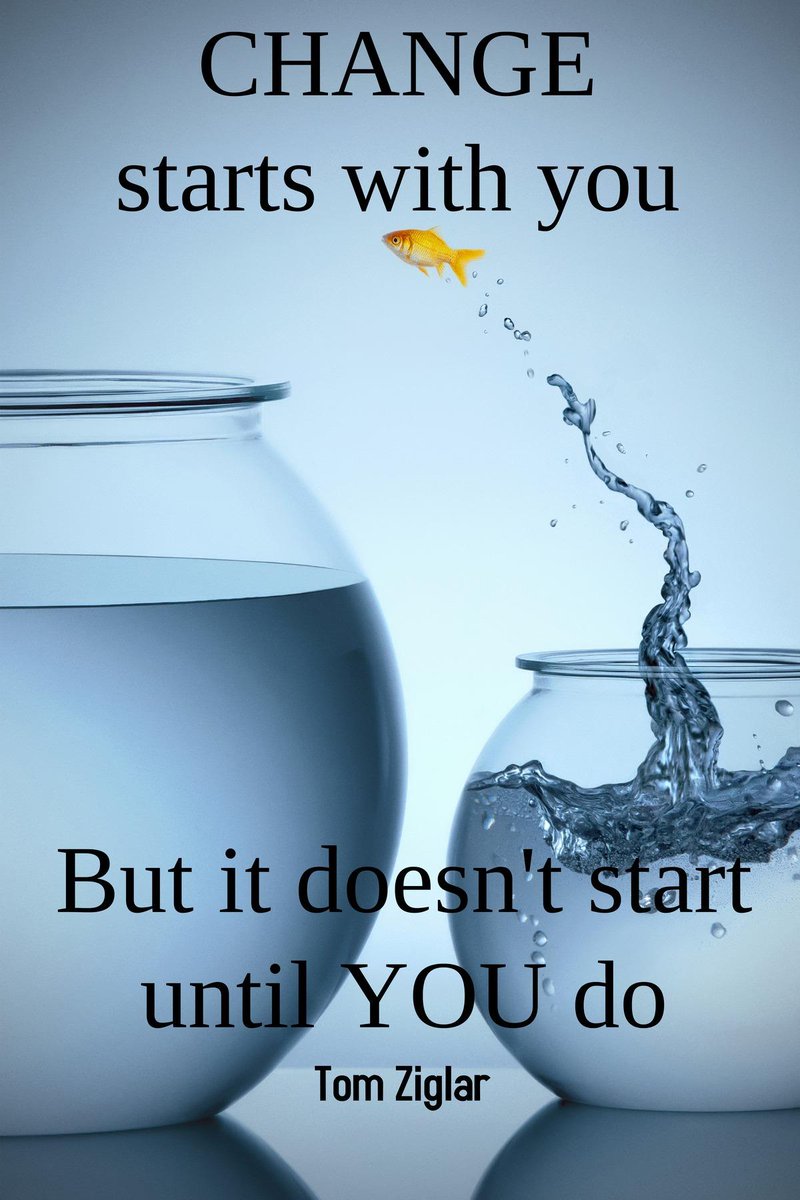
Who doesn’t want to change the world? I imagine most of us wish things would seem better. We wish we could do something dramatic and monumental to change things for the better. And yet, most of us are taught adages like the one in the image above, that wisdom and life experience will teach us how the best way to bring about change is to make changes to oneself. Through these changes, we might find that we are doing our personal part, fulfilling our life’s mission and through our work and changed approach, we are in fact changing the world around us.

“When we fulfill our divine mission in the world, we elevate not merely ourselves and our immediate surroundings, but ultimately also the entire cosmos (Avraham Yitzchak HaKohen Kook)” 

RCA Siddur Avodat HaLev P. 20

In my work with others, I often find that one of the biggest barriers to success and to change is spending too much time looking outwards. We all know the harms of comparing ourselves to the images put out on social media. We get lost in the shuffle of seeing the fun, the excitement, the slick marketing. We start to day dream and wonder and feel a sense of jealousy. And then we go down the rabbit hole of beating ourselves up for not being like…

A lot of the work of coaching others through challenging points in life is helping them look back inside. This comes about through exploration, creating space for the client to do self-detective work, bringing forth aspects of who they are and who they want to be. This is true in grief work while helping someone navigate the muddy waters of re-emerging into a different world without the deceased. This is true in working with people on self-discovery as they work towards forging a new road along the path of life. This is true for people trying to make a choice, helping them find THE question that will help unlock the door of the decision they wish to make. 

When we have that moment of discovery, that new insight into the life we are trying to live, we are then open to the changes we want to see outwardly as well. Now, of course, there are things we wish we could change that all of this self-discovery and focus won’t change. At least not on our own. Nevertheless, we must do our part, for without it there would be no chance for change at all.

Our mission in this world is to leave it better for the next person. By discovering that each step along the way is not just lifting up ourselves but all those around us, we will hopefully discover some of the change we wish to see.  

It’s a New Year and a new opportunity to start fresh. If you or someone you know is looking to forge ahead and set new goals or trying to find a sense of meaning in life, we are here to help foster a spiritual and emotional growth and change. Contact New Beginnings Spiritual Coaching and Consulting LLC at 732-314-6758 ext. 100 or via email at newbeginningsspiritualcoach@gmail.com